Skip to content
The spectres of the Constitution
Photo: Peter F. Rothermel (Public domain) via Wikimedia Commons

The spectres of the Constitution

The founders faced three powerful spectres as they built the case for ratification: the dread of monarchical power, the failures of the Articles of Confederation, and the fierce pride of state sovereignty.

Allen Thomas March 28, 2026
Listen to this article
0:00 / 0:00
Hooters of Colorado Wings, Beer & Good Times Learn More →

The Kim Monson Community

Members get a front-row seat.

Live town halls with Kim’s guests are open to every member; classes are included with Monticello & Mount Vernon membership.

The Federalist Papers · Class 10

Federal Government and Taxes, Part 2

Part two on federal taxation: how state and federal taxing powers coexist, and the objections the Federalist answers.

with Allen Thomas · Instructor

Thursday, July 2 · 7:45 PM · Online

Monticello & Mount Vernon members

If there is one thing you can count on it is that everybody has an opinion…and they always think that their opinion is right. Most of the time these opinions are about the mundane; a favorite cheese, glass of wine, favorite vacation spot, or that my kids are better than your kids. But there are times in our history where the opinions and ideas held by some (or most) have a rippling effect on the course of human history. Our founding was one of those times. How could it not be? The colonies had just beaten the greatest military in the world, and they had grandiose plans on how to set up a new government. Only this new government was failing and in a spectacularly depressing way that was endangering the new country. The country had a few ghosts in its closet that it needed to be rid of to allow a newly proposed Constitution to be ratified. But these ghosts were very strongly held ideas for good reason because they were born out of necessity. The monarchy had oppressed and refused to govern these colonies across the ocean. The Articles of Confederation were already established and appeared to sufficiently limit the size and scope of the government to prevent another monarchy. And of course, the mostly deeply held and personal belief to overcome was the great pride that citizens put into their own States; the sovereignty, the state guiding documents, and the desire to not have another state or government tell them what to do in their own back yard.

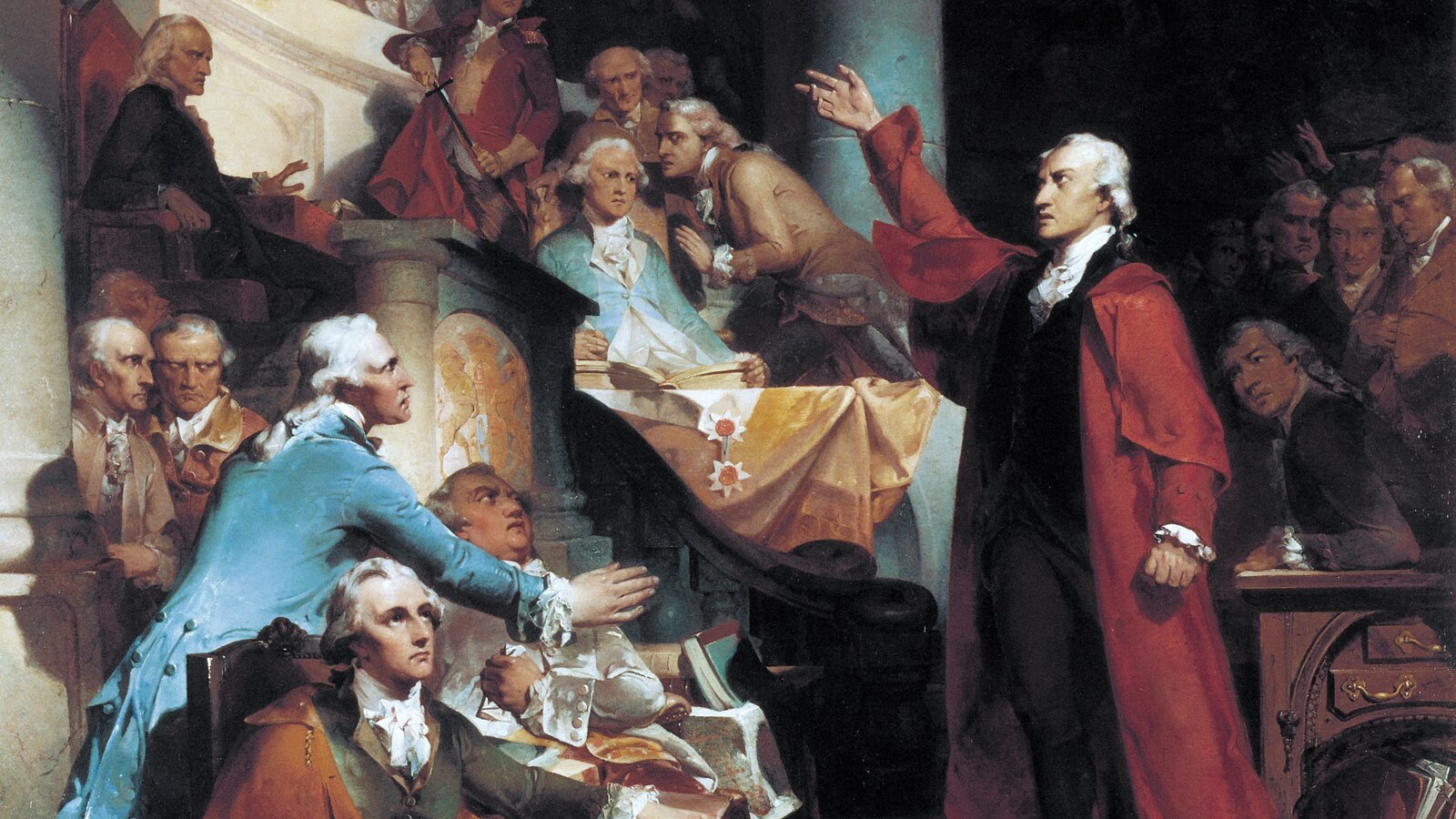
The first spectre is the most obvious since one of our most famous founding documents (The Declaration of Independence) was written to the King lambasting him with poor governance. The country knew what could happen when one individual got too much power which is why Patrick Henry warned the Virginia Ratifying Convention “Away with your President, we shall have a king.” Since the Constitution put the President in charge of the military, there was great fear over the President commanding the military and commandeering the president. This fear of authoritarian control went so far that the Constitutional Convention even considered a consul of three individuals instead of a president. Despite the looming presence of Kingly fears, the public had to be convinced that the President would have powers that would be checked by the other branches and that the position was necessary for the continued governance of the country. The primary argument is that in times of crisis, we do not have time for politicians to argue and vote; if we are being invaded, we need action, not the slow churning of a bureaucratic process. The Constitution assuaged the fear by creating a system that enumerated powers, shared powers with Congress, and even allowed the government to remove the President if need be. The founding nightmare was not only too much power but also its opposite: a government that could not act at all.

Many of the issues with the Articles of Confederation were understandable given that it was crafted and adopted in the middle of a war. Ironically, it is also the reason why we nearly lost the war. The Articles were treated more as guidelines with many states not complying, especially with requests for money to fund the war efforts (or by just downright refusing). Many of the founders saw how inefficient the Articles were and there was no way to amend the Articles to get those deficiencies out. So, they crafted the Constitution in order to learn from past mistakes. But the phantom of the Articles still loomed in everyone’s mind and the proposed Constitution kept being compared to the woefully inadequate Articles of Confederation. To many it was better to ere on the side of inaction than to adopt a Constitution that would strip them of their hard-fought rights. But even those who advocated against the Constitution had to eventually acknowledge that the path they were headed towards was either dissolution into individual states or separate confederations of states. The founders had to show the public that this path was untenable and at best left them vulnerable to foreign powers or to constant struggle and strike from within. Yet by producing a much stronger national governance, they ran into the most human obstacle of all, which is local loyalty.

They were very proud of the work they put into the governance of each State and the time they spent setting up their governing documents. The citizens were loyal to their states first and for many good reasons. The Articles did not allow citizens to be taxed individually but the states could, which meant state politics was foremost on everyone’s mind. The states also had their own kind of identity wrapped together with the economy, industries, and their own militias to protect themselves. They had to rally together to create pride in the state and the Constitution was asking them to also embrace their fellow states. Proximity also has much to do with presence of mind and the attention paid to politics. Since state politics involves neighbors or at least people from areas familiar to everyone, it is easier to have more accountability. The idea of people from other states having the ability to tax or tell them how to live their lives was reprehensible to a nation that just fought a bloody war for those exact reasons. The states were fearful then of a government that would disrupt the sovereignty that they had enjoyed up to that point and were fighting tooth and nail to give even an inch of that power to a federal government. The Constitution had to walk a fine line: respecting state sovereignty while also taking power from the states where it made sense. By showing that a united government could help protect all of them while also deferring many state powers and authorities, the founders were able to show the people that this apparition was nothing to fear but rather a unique feature for a bold new country.

The Constitution was ratified despite all of these fears and yet it assumes that each will never fully disappear. It binds down the powers of the federal government (as much as citizens truly want to) by giving power to the people in a way that had never been tried before. It creates obstruction and friction between all of the branches so that the government cannot run amok with power. It retains the state identities and allows them to respond to their unique situation while still allowing the federal government to do its just duties. Perhaps most importantly, however, is that it requires an active and engaged citizenry to watch over and make sure the government will not turn into the ghosts of governments past.