[00:00] Kim Monson show-intro montage announcer voice: The latest in politics and world affairs.
[00:04] Kim Monson: Under this guise of bipartisanship and nonpartisanship, it's actually tapping down the truth.
[00:10] Kim Monson show-intro montage announcer voice: Today's current opinions and ideas.
[00:14] Kim Monson: On an equal field in the battle of ideas, mistruths and misconceptions is getting us into a world of hurt.
[00:21] Kim Monson show-intro montage announcer voice: Is it freedom or is it force?
[00:24] Kim Monson show-intro montage announcer voice: Let's have a conversation.
[00:29] Kim Monson: And welcome to the Kim Monson Show.
[00:33] Kim Monson: You each are treasured, you're valued, you have purpose.
[00:37] Kim Monson: Take care of your heart, your soul, your mind, and your body.
[00:40] Kim Monson: My friends, we were made for this moment in history.
[00:44] Kim Monson: That's Producer Joe, Luke, Rachel, Zach, Echo, Charlie, Mike, Amanda, and all the people here at Crawford Broadcasting.
[01:03] Kim Monson: And Colonel Rutledge in six weeks is going to be 98.
[01:15] Producer Joe: Mostly just hanging out with my family, going to play some board games and stuff.
[01:22] Kim Monson: And thanks for being behind the boards, though, on your birthday.
[01:25] Kim Monson: We've got another great show planned for you.
[01:29] Kim Monson: Check out our website and join our community.
[01:32] Kim Monson: It's a place where we are connecting, conversing.
[01:35] Kim Monson: communicating, contemplating these big issues and ideas.
[01:40] Kim Monson: And right now we have Allen Thomas's class going on on Thursday evening, 745 to 9 p.m.
[01:40] Kim Monson: And if you've missed it, everything is all recorded so you can watch it at your leisure.
[01:52] Kim Monson: But going through the first half of the Federalist Papers and how they're relevant to today.
[01:57] Kim Monson: And we've got so much that is going to happen in this community.
[02:01] Kim Monson: The workload has been extensive, which is great.
[02:06] Kim Monson: And time is very valuable on this as well.
[02:09] Kim Monson: So join us because we've got great plans for everybody.
[02:13] Kim Monson: And so that website is KimMonson.com.
[02:16] Kim Monson: And you can email me at Kim at KimMonson.com.
[02:22] Kim Monson: And as you know, on the show, we search for truth and clarity by looking at these issues through the lens of freedom versus force, force versus freedom.
[02:33] Kim Monson: If something's a good idea, you should not have to force people to do it.
[02:37] Kim Monson: And it's never compassionate to take other people's stuff, whether or not it's their rights, property, freedom, livelihood, opportunity, childhood, or lives via force.
[02:46] Kim Monson: Force can be a weapon, but it can also be policy.
[02:48] Kim Monson: Unpredictable in excess of taxation, fees, fear, coercion, government-induced inflation, legislation, the World Economic Forum and globalist elites.
[02:58] Kim Monson: with their agenda that plays out at the United Nations, but in all levels of government, all the way down to municipal government and school districts, special districts here in America.
[03:13] Kim Monson: So we need to identify that and stand for freedom on all these things.
[03:20] Kim Monson: And so that's one of the reasons the community is such an important thing.
[03:26] Kim Monson: Because, my friends, if something's a good idea, you should not have to use force to implement it.
[03:32] Kim Monson: And on the show, we focus on the issues, and we'll talk about the people in those issues that really work to stay out of the personality fighting that happens out there.
[03:43] Kim Monson: Let's get over here to our word of the day, and that is affable.
[03:50] Kim Monson: And it could be easy and pleasant to speak for, gentle and gracious, or easy to be spoken to or addressed, receiving others kindly and conversing with them in a free and friendly manner.
[04:09] Kim Monson: I'm trying to think, who would I say is very affable?
[04:14] Kim Monson: Somebody that is very easy to approach.
[04:19] Kim Monson: Who would be maybe one of the number one people in that?
[04:24] Kim Monson: So who in your life would you say is affable?
[04:34] Kim Monson: comes from james madison he was born in 1751 he died in 1836 he was an american statesman diplomat and founding father he served as our fourth president of the united states and he's popularly acclaimed as father of the constitution for his pivotal role in drafting and promoting the constitution of the united states and the bill of rights and he said this
[04:57] Kim Monson: He said there are more instances of the abridgment of freedom of the people by gradual and silent encroachments of those in power than by violent and sudden usurpations.
[05:08] Kim Monson: And I can certainly say, as we've watched this legislative session from the Colorado Union of Taxpayers, that that is the case.
[05:17] Kim Monson: When you have pieces of legislation, well, let's see, there was over 700 bills and resolutions that were passed.
[05:31] Kim Monson: And let's say on average, and I think this is low, but let's say on average that that's 10 pages of legislation.
[05:40] Kim Monson: Now, not all of them passed, obviously, but that's over 7,000 pieces of legislation that would be proposed.
[05:47] Kim Monson: And a few of those were for more freedom, but all of those died in committee.
[05:54] Kim Monson: Those did not see the light of day.
[05:56] Kim Monson: And so James Madison knew exactly what he was talking about there.
[06:00] Kim Monson: So I do want to say thank you to my fellow Colorado Union of Taxpayers board members.
[06:05] Kim Monson: We are working on getting the bills selected.
[06:08] Kim Monson: There's 30 bills that we'll write a little more extensively on in our ratings report and getting our ratings report.
[06:15] Kim Monson: done, so we're working diligently on that.
[06:17] Kim Monson: But when you see these folks, say thank you to them.
[06:19] Kim Monson: That's Steve Dorman, Greg Golianski, Russ Haas, Bill Hamill, Rob Knuth, John Nelson, Wendy Warner, Marty Nielsen, Rami Johnson.
[06:27] Kim Monson: Mary Janssen, Dave Evans, Corey Onizorg, Paula Beard, and Ray Beard.
[06:31] Kim Monson: When you see these folks, they have volunteered their weekends every weekend during the legislative session, which was mid-January to mid-May, to take these positions so that we can know what's going on.
[06:45] Kim Monson: That's less than $2.08 a month, less than a cup of coffee at most places.
[06:53] Kim Monson: Did want to say thank you to the Harris family for their gold sponsorship of the show and also to Hooters restaurants.
[06:59] Kim Monson: They have been great sponsors of the show since, well, since before the Kim Monson show and also their sponsors of America's veteran stories.
[07:08] Kim Monson: They have locations in Loveland, Westminster and in Aurora.
[07:12] Kim Monson: And as the abs are marching towards winning the Stanley cup, certainly Hooters restaurants is a great place to watch all the games.
[07:21] Kim Monson: And so, again, I thank Hooters Restaurants for their sponsorship.
[07:26] Kim Monson: Big news is regarding the elections.
[07:29] Kim Monson: It seems like many or most of the Trump-endorsed candidates won their primaries.
[07:37] Kim Monson: The big news is U.S. Representative Thomas Massey loses his Kentucky GOP primary to Ed Galrein.
[07:48] Kim Monson: I don't know, and I'd be interested to hear what you think this will mean for Lauren Boebert out here in Colorado.
[08:01] Kim Monson: Because she came in and supported Massey, and she said it's because he's her friend.
[08:12] Kim Monson: something that I'm just wondering from a strategy standpoint, if that was really necessary to put up political capital to make that endorsement.
[08:24] Kim Monson: And if that's going to make it more difficult for her here in Colorado, because she does have her hands full, I think with the suburban woman, um, representative Bobert is very attractive.
[08:39] Kim Monson: Women don't like that in another woman.
[08:44] Kim Monson: And I think that's difficult for her somewhat with the suburban women in Douglas County.
[08:51] Kim Monson: And so I'm concerned with Boebert using political capital to jump into some of these races that she really doesn't have to.
[09:01] Kim Monson: And so that just my commentary on that is so interesting.
[09:05] Kim Monson: Massey gone against the president on some real key things.
[09:08] Kim Monson: And so the president was was very, I would say, somewhat aggressive in supporting his opponent on that.
[09:17] Kim Monson: And so it's important that we watch all these things.
[09:20] Kim Monson: And again, I caution Bobert on using her political capital on some of the endorsements that she has made because I'm not sure that she really needs to do that.
[09:30] Kim Monson: And we talk about these important issues because I have amazing sponsors that support the show.
[09:40] Kim Monson: And I'm talking with show sponsor, Carl Jones.
[09:55] Kim Monson: And under your services tab, you have a number of different things that you do.
[09:59] Kim Monson: But one of those is lighting installation, both indoor and outdoor.
[10:04] Kim Monson: But outdoor lighting can really make a difference for a home.
[10:10] Kim Monson: So talk to us a little bit about that.
[10:15] Carlton Jones: Yeah, so a lot of homes usually don't have adequate lighting built in.
[10:22] Carlton Jones: You'll get the occasional light around the front, the garage, and then the back porch, but a lot of times houses need more than that.
[10:31] Carlton Jones: Whether that's from putting additional lighting on extended balconies and wraparound porches, accent lighting on walkways from the house to any
[10:45] Carlton Jones: External garages or shops or things like that, as well as illuminating long driveways, gate entrances and stuff in that category.
[10:55] Kim Monson: Well, and I know that people think a lot about conserving energy, conserving power.
[11:02] Kim Monson: However, I do think that lighting really is good for security.
[11:08] Kim Monson: In fact, I saw something on Nextdoor just the other day that they said that there was a car driving around looking for houses that were dark.
[11:19] Kim Monson: They were concerned that they were going to be broken into or something.
[11:22] Kim Monson: So I think that lighting is a good investment for security.
[11:28] Carlton Jones: Yeah, and especially with LED light being so popular now, lighting doesn't take nearly the electrical draw that it used to.
[11:38] Carlton Jones: So having lights on at night or while you're away from the house,
[11:42] Carlton Jones: should no longer make a significant impact on your electric bill as well.
[11:50] Kim Monson: And I became frustrated when I think people should have choices on their light bulbs.
[11:55] Kim Monson: And when the government got involved in telling us which light bulbs we could have, I'm like, I don't know that I like that.
[12:02] Kim Monson: And I didn't really like the LED light bulbs.
[12:05] Kim Monson: Initially, remember the curly Q1s, and they said you had to be careful about how you disposed of them?
[12:11] Kim Monson: But they've improved a lot since then, yes?
[12:14] Carlton Jones: Yes, and that's actually a different style light bulb.
[12:17] Carlton Jones: That is what's called a compact fluorescent, which is what older style bulbs used to see in stores and restaurants and things like that, the long tubes.
[12:27] Carlton Jones: They had made that accessible for residential use.
[12:31] Carlton Jones: LED light bulbs that are out now are actually a different style.
[12:36] Carlton Jones: where the diode is directly on a board and shines a light versus the compact fluorescent was a lot like the traditional incandescent.
[12:46] Carlton Jones: And the fact that it was an actual filament that could expire or go bad in a much quicker timeframe.
[12:54] Carlton Jones: But I do agree the compact fluorescent was never a good alternative.
[12:59] Carlton Jones: And we tend to shy away from using fluorescent as well as the company.
[13:05] Kim Monson: Next thing, I'm kind of a lighting snob, if you will, and I like warm light.
[13:11] Kim Monson: And a lot of the LED bulbs seem to be much starker.
[13:15] Kim Monson: So are there options in that arena?
[13:19] Carlton Jones: So there's actually four or five different warmness options for LED bulbs.
[13:26] Carlton Jones: A lot of times the standard bulb will come with a higher setting, which a lot of people tend to not like.
[13:33] Carlton Jones: The lower the setting or the option, the more traditional the warmness looks coming out of the bulb.
[13:42] Carlton Jones: I find that a lot of times what you have to do is spend a little bit of extra money on the bulbs themselves to either get a color selectable option so you can choose which of the colors works best for that environment.
[13:57] Carlton Jones: whether it be like a bathroom or a kitchen or a living room, or just to make sure that you're buying LED bulbs that are the style that you would like.
[14:07] Kim Monson: Okay, and I didn't realize there were different kind of levels of that.
[14:13] Kim Monson: If I like warm lighting, what would be the level I would be trying to look for?
[14:25] Carlton Jones: The higher the number, the more fluorescent or blue the look is going to be.
[14:32] Carlton Jones: So traditionally around the 3,000 to 4,000 is the most popular.
[14:37] Carlton Jones: 4,000 being kind of that middle ground between good modern bright lighting and the traditional warmness.
[14:49] Carlton Jones: That's going to be the very gold, yellow, traditional look of a light bulb.
[14:56] Kim Monson: Now, Carl, you do so many things at Radiance Power.
[15:02] Kim Monson: So obviously lighting, but you do electrical panel and service upgrades, generator installation.
[15:07] Kim Monson: How can people schedule a complimentary appointment if they are in need of any of these services?
[15:16] Carlton Jones: Yeah, so the easiest way to contact us is to just look us up online via Google.
[15:21] Carlton Jones: We have an information submittal form on our website directly, or you can always feel free to give us a call to speak with, usually me, and we can discuss your needs and get you on the schedule for a free quote at that time.
[15:36] Kim Monson: And that website is radiancepower.net.
[15:42] Roger Mangan State Farm pre-recorded spot voice: Yeah, that sounds great.
[15:43] Roger Mangan State Farm pre-recorded spot voice: Talk to you later.
[15:44] Roger Mangan State Farm pre-recorded spot voice: State Farm Insurance recently lowered auto insurance rates for new and existing customers.
[15:49] Roger Mangan State Farm pre-recorded spot voice: Roger Mangan and his State Farm Insurance team would be delighted to talk with you about possibly saving money on your auto insurance coverage.
[15:57] Roger Mangan State Farm pre-recorded spot voice: Plus, if you already bundle your insurance coverage, you might save additional money.
[16:01] Roger Mangan State Farm pre-recorded spot voice: That's real after-tax money in your pocket that you can save or use for everyday expenses.
[16:08] Roger Mangan State Farm pre-recorded spot voice: To find out if you can save money,
[16:09] Roger Mangan State Farm pre-recorded spot voice: give the Roger Mangan team a call at 303-795-8855 for a complimentary appointment to review your insurance coverage.
[16:19] Roger Mangan State Farm pre-recorded spot voice: That's 303-795-8855.
[16:23] Boesen Law pre-recorded spot voice: Boesen Law is a personal injury law firm that puts you first.
[16:27] Boesen Law pre-recorded spot voice: Boesen Law has recovered millions on behalf of their clients.
[16:30] Boesen Law pre-recorded spot voice: Whether hurt on the road, at work, or in a hospital, the Boesen team is ready to stand by their clients and help them move forward.
[16:37] Boesen Law pre-recorded spot voice: They know that life can seem overwhelming after an accident or injury.
[16:41] Boesen Law pre-recorded spot voice: That's why the Boesen team guides, supports, and fights for the full compensation that their clients are owed.
[16:46] Boesen Law pre-recorded spot voice: If you have been injured, prompt action makes a difference.
[16:49] Boesen Law pre-recorded spot voice: Call Boesen Law today at 303-999-9999 for a complimentary appointment.
[16:57] Boesen Law pre-recorded spot voice: That's 303-999-9999.
[17:03] Sybil Ludington / Benz Plumbing dramatized ad voice and Spartan Defense spot voice: April 26th, 1777.
[17:06] Sybil Ludington / Benz Plumbing dramatized ad voice and Spartan Defense spot voice: Colonel, the British are raiding Danbury and burning the town.
[17:09] Sybil Ludington / Benz Plumbing dramatized ad voice and Spartan Defense spot voice: I'll go tell them.
[17:09] Sybil Ludington / Benz Plumbing dramatized ad voice and Spartan Defense spot voice: 16-year-old Sybil Ludington mounted her horse and rode 40 miles through night and pouring rain.
[17:15] Sybil Ludington / Benz Plumbing dramatized ad voice and Spartan Defense spot voice: That's twice the distance of Paul Revere to sound the alarm.
[17:18] Sybil Ludington reenactor dramatized voice ('Quickly, assemble at my father's house.'): Quickly, assemble at my father's house.
[17:20] Sybil Ludington / Benz Plumbing dramatized ad voice and Spartan Defense spot voice: The Kim Monson Show is our modern-day Sybil Ludington, bringing us the latest breaking news in the battle for truth and freedom.
[17:26] Sybil Ludington / Benz Plumbing dramatized ad voice and Spartan Defense spot voice: Benz Plumbing, Heating, and Cooling is proud to stand with Kim.
[17:30] Sybil Ludington / Benz Plumbing dramatized ad voice and Spartan Defense spot voice: Will you stand with us?
[17:31] Sybil Ludington / Benz Plumbing dramatized ad voice and Spartan Defense spot voice: Get engaged with the issue that keeps you up at night so that you can influence your school and community with truth and justice.
[17:37] Sybil Ludington / Benz Plumbing dramatized ad voice and Spartan Defense spot voice: And for quality craftsmanship at a fair price, call or text Benz Plumbing, Heating, and Cooling at 303-995-1636.
[17:44] Sybil Ludington / Benz Plumbing dramatized ad voice and Spartan Defense spot voice: That number again is 303-995-1636.
[17:50] Sponsor and partner solicitation spot voice: We'll see you next time.
[18:15] Sponsor and partner solicitation spot voice: then you may be a perfect fit as a sponsor or partner of The Kim Monson Show.
[18:19] Sponsor and partner solicitation spot voice: To learn more, reach out to Kim at kim at kimMonson.com.
[18:24] Sponsor and partner solicitation spot voice: Kim would love to talk with you.
[18:26] Sponsor and partner solicitation spot voice: Again, that's kim at kimMonson.com.
[18:32] Kim Monson: And welcome back to the Kim Monson Show.
[18:35] Kim Monson: That is Kim Monson, M-O-N-S-O-N dot com.
[18:38] Kim Monson: And I did want to say thank you to the Harris family for their goal sponsorship of the show.
[18:43] Kim Monson: And then we all know that education is so important and there is something that is so exciting happening in Centennial.
[18:50] Kim Monson: And that is Excalibur Classical Academy.
[18:53] Kim Monson: And it is a new private school opening this fall in Centennial, serving kindergarten through third grade with 100 percent scholarship tuition available.
[19:01] Kim Monson: Their classrooms are rooted in a classical Christian tradition where students can grow through phonics and math, music, art and the great books that have shaped generations.
[19:11] Kim Monson: Excalibur believes that young minds thrive on wisdom, virtue and truth.
[19:15] Kim Monson: So give your child a strong foundation for life.
[19:21] Kim Monson: Visit Excalibur, that's E-X-C-A-L-I-B-U-R, classicalacademy.org today.
[19:27] Kim Monson: And please have on the line with me, engaged citizen.
[19:31] Kim Monson: He's with the Ralston Valley Coalition, and that is Mike Rawluk.
[19:40] Kim Monson: Well, it's going well, and I think you'll be very proud of me.
[19:43] Kim Monson: I attended my city council meeting last night.
[19:50] Kim Monson: It was the swearing in of the new council members, and I had met the candidates from my district in the spirit of Mike Rawluk.
[20:02] Kim Monson: I'd had coffee with them, and I thought it's time to re-engage, and so it went very well, and
[20:08] Kim Monson: Your idea to be respectful, reach out, have coffee with your council members and your mayor is really an excellent idea.
[20:18] Kim Monson: And at the Kim Monson community, in the spirit of you and Karen Gordey, the folks at Littleton, all these people that are coming together, we have this opportunity to create spaces at the Kim Monson community.
[20:31] Kim Monson: And the first space that I really want to
[20:34] Kim Monson: Get going is a local government space because I think people can learn from all of the work that you all have done.
[20:45] Mike Rawluk: And just to be sure, if you're going to be having coffee or trying to meet with a local representative, it can't be about something that's already being decided, like a quasi-judicial land use decision.
[21:00] Mike Rawluk: And that's not something that we try to do.
[21:02] Mike Rawluk: But it'd be more a general broad topics, get to know somebody, see about the vision, things like that, and potential new ideas.
[21:10] Mike Rawluk: Like I actually brought up a whole new idea the other day regarding drones and airports, and we can get into that in a different day.
[21:19] Mike Rawluk: But it's kind of a way just to introduce yourself, see how you can get involved, but not on active cases.
[21:29] Kim Monson: And I think, yeah, just to initially get to know you coffee and do that sooner versus later.
[21:35] Kim Monson: So when that issue does come up, you've already had that initial get to know each other coffee.
[21:41] Kim Monson: And I think that's really important.
[21:45] Kim Monson: We've got a lot to talk about data center moratoriums.
[21:52] Mike Rawluk: Well, I have been talking with the county through email channels and also public commentary where, you know, you can write to your commissioner, what have you, on their private email and ask about data center moratoriums and things like this.
[22:10] Mike Rawluk: And one of the big concerns that we've had at another group that I work with is
[22:16] Mike Rawluk: the fact that these aren't really discussed in the zoning.
[22:19] Mike Rawluk: And one could say private property rights, again, for the person who owns the land that a data center would go on, but then you have all the other private property interests that you could see, i.e., the quiet enjoyment, the noise, the fact that your bill might go up, the fact that water infrastructure cannot handle certain data centers depending on the type of design.
[22:44] Mike Rawluk: In the spirit of just reaching out and saying what's reasonable, what's not, I mentioned to Jeffco that Denver was considering a data center moratorium, and I believe Wisconsin had voted one in on a state referendum, and they put one together.
[23:03] Mike Rawluk: And then two weeks ago, it was voted in as a temporary measure on the consent agenda, and I was there to support that online.
[23:13] Mike Rawluk: And then yesterday, they went ahead and extended it for up to the full year from the first enactment.
[23:19] Mike Rawluk: So I think it comes up next March and next April.
[23:23] Mike Rawluk: And the idea here is it doesn't stop all data centers.
[23:27] Mike Rawluk: But what it does, which I think is a reasonable situation, it will say, if you have a data center application, you can submit it if it's going to be on industrial land.
[23:39] Mike Rawluk: It has to be a PUD or planned unit development.
[23:43] Mike Rawluk: And what that means is a county commissioner, in this case, the Board of County Commissioners would have to vote on it via the quasi-judicial process, as opposed to a use-by-right, which would just be a site development plan.
[23:55] Mike Rawluk: And then it has to be a minimum of 1,500 feet from any residents.
[24:01] Mike Rawluk: Whereas you and I talked about, Nevada has a 300 feet from residential zone district.
[24:06] Mike Rawluk: That doesn't count mixed-use districts, which could be residences mixed in with commercial, live-work play, what have you.
[24:15] Mike Rawluk: Now, we could look into low-frequency noise and argue if 1,500 feet is actually sufficient or not, but this is a really good first bite at this apple, I believe.
[24:29] Mike Rawluk: The county commissioner said they want to actually set up meetings with the public, get comments, get engagement, do some studies, and then see what happens next year.
[24:38] Mike Rawluk: So anywhere you guys are at in Colorado, I would suggest
[24:42] Mike Rawluk: you know, looking at that model and asking for the same at your local district.
[24:46] Mike Rawluk: It doesn't eliminate data centers, but it places some severe restrictions as far as location.
[24:54] Mike Rawluk: And then it requires the elected to actually make the final decision.
[24:59] Kim Monson: This is so interesting, Mike Rawluk.
[25:03] Kim Monson: Because, well, that's the first question.
[25:12] Mike Rawluk: it looks like ABC seven just did a story on it yesterday.
[25:15] Mike Rawluk: I can send you the actual memorandum in case you want to put it on the website.
[25:19] Mike Rawluk: And one of the interesting things as well is when I spoke with staff on this as well, because this is kind of a process, right?
[25:30] Mike Rawluk: And I said, guys, you know, think of the average 20 year old and how innovative they are, how quickly the words change similar to what we saw with,
[25:41] Mike Rawluk: Then it became dual-use research of concern or enhanced study of pandemic potential pathogens and things like this.
[25:53] Mike Rawluk: So what I thought was really good, if I could, data center facility in their new definition is a purpose-built structure, substantial modification to an existing structure, or integrated group of structures that is designed and used primarily to house computer servers,
[26:09] Mike Rawluk: data storage systems and large-scale digital data processing and or networking equipment and the associated infrastructure, but not limited to cooling systems, because obviously that's a big deal, cooling systems, backup power systems, which makes the noise as well, telecommunication facility and battery storage, because there's a lot of fire risk with battery storage, sometimes referred to as digital infrastructure facilities, industrial-scale computing facilities, or high-intensity computing facilities typically operating on a scale,
[26:38] Mike Rawluk: requiring significant electrical power consumption, water consumption, and or infrastructure support.
[26:44] Mike Rawluk: So, you know, I mentioned to them, make sure that your definition is future inclusive.
[26:51] Mike Rawluk: Make sure, like, you know, I'm a big proponent of cryptocurrency.
[26:55] Mike Rawluk: However, it has to include Bitcoin miner-type facilities, crypto staking pools, and I believe that that definition would hit those as well.
[27:03] Mike Rawluk: And I think if anyone's going to go out there and talk to city council, that's an important step just to say, hey, what's coming down the pike in 10 years?
[27:10] Mike Rawluk: How do you create a definition to include those?
[27:17] Kim Monson: My eyes were glazing over on that, actually, Mike Rawluk, with all those definitions.
[27:23] Kim Monson: But the other thing that, and when I was on city council, I had to wrestle with this.
[27:28] Kim Monson: And I finally realized, for example, we have these industrial apartment buildings.
[27:34] Kim Monson: If you go over to Broadway and Dry Creek and look to the east, it looks like an industrial, it looks like Soviet Russia to me.
[27:44] Kim Monson: And but I'm thinking, OK, when I was on city council, it's like, OK, property rights, people should be able to do with their property what they want to do with their property.
[27:55] Kim Monson: It's good to be a good neighbor and responsible.
[27:57] Kim Monson: But so I'm like, OK, property rights is so important because that's inherent in the American idea.
[28:03] Kim Monson: But then what I realized is government is putting its finger on the scale and picking winners and losers.
[28:11] Kim Monson: So, for example, I've learned through Lorne Levy that these big apartment and industrial apartment complexes are probably getting favorable federal financing.
[28:22] Kim Monson: They may be getting streamlining approval.
[28:28] Kim Monson: And so that is antithetical to property rights.
[28:31] Kim Monson: You have to make sure that government is not putting its thumb on the scale and then hide behind, oh, property rights as well.
[28:39] Kim Monson: And I think that having these moratoriums right now, because if in fact a data center, for example,
[28:46] Kim Monson: There was a headline last week that 50,000 residents in Lake Tahoe were notified that their power provider will no longer provide them power next year because they're going to provide power to a data center.
[29:00] Kim Monson: That seems to me like an assault upon a property right.
[29:05] Mike Rawluk: Yeah, when in Rome, don't be a vandal or a visigoth.
[29:08] Mike Rawluk: You know, that's something that I think about a lot.
[29:10] Mike Rawluk: You know, people say when in Rome, be a Roman.
[29:12] Mike Rawluk: But also when you show up to someone's neighborhood that they've already been
[29:15] Mike Rawluk: worked through for generations to create a nice neighborhood, you know, good roads, good schools, good infrastructure, good electricity.
[29:24] Mike Rawluk: Then you show up and you say, well, I can use that for personal gain or personal gain for a company.
[29:31] Mike Rawluk: That doesn't honor what has come before.
[29:33] Mike Rawluk: And it violates, to me, it violates the original inhabitants' property rights.
[29:39] Mike Rawluk: And if I'm going to lose my electricity services because you moved in and you told me it's good for jobs,
[29:46] Mike Rawluk: What I did look at is a study where 40% of all data centers want to be fully automated within about three years.
[29:55] Mike Rawluk: That means you're going to move into my neighborhood.
[29:57] Mike Rawluk: And if you know, I have a four out of 10 chance that you're going to go fully automated.
[30:02] Mike Rawluk: So once the construction jobs are gone, there might be some maintenance, but it's not going to be a benefit to the economy, but it will be a drain.
[30:12] Mike Rawluk: And if you're going to drain that and you're going to charge more for infrastructure and you might actually cut off infrastructure, then what happened to the original inhabitants' private property rights?
[30:27] Kim Monson: Mike Rawluk, we're out of time and we have two other things that we really want to talk about.
[30:33] Kim Monson: I've got to figure out, what's that?
[30:42] Kim Monson: We're going to talk about the rental car lawsuit, the flock safety lawsuit.
[30:46] Kim Monson: So we'll do that next week because this is such an important issue that you highlighted here, Mike Rawluk.
[30:52] Kim Monson: We'll talk with you next week and have a great day.
[30:57] Kim Monson: And talking about private property rights, homeownership is an important private property right.
[31:04] Kim Monson: And Karen Levine has been helping people change their addresses for many years.
[31:09] Karen Levine RE/MAX spot voice: Buying or selling your home can be stressful.
[31:12] Karen Levine RE/MAX spot voice: That's why you need RE-MAX Realtor Karen Levine on your side of the table.
[31:17] Karen Levine RE/MAX spot voice: Karen Levine has over 30 years of experience navigating the changing metro real estate market.
[31:23] Karen Levine RE/MAX spot voice: Karen Levine understands the many details that contribute to a successful real estate transaction, whether buying a new home, selling your home, purchasing a new build, or exploring investment opportunities.
[31:35] Karen Levine RE/MAX spot voice: Karen Levine can help you successfully navigate the complexity of each real estate transaction.
[31:41] Karen Levine RE/MAX spot voice: Call Karen Levine today at 303-877-7516 if you're contemplating changing your address.
[31:49] Karen Levine RE/MAX spot voice: That's 303-877-7516.
[31:54] Three Presses newsroom and community promo voice: The Kim Monson Show is expanding and augmenting our voice and reach.
[31:59] Three Presses newsroom and community promo voice: In addition to the Kim Monson Show broadcast, we have created the Kim Monson Newsroom and the Kim Monson Community.
[32:06] Three Presses newsroom and community promo voice: We call them the three presses, and they are foundational to free speech and engaging in responsible self-governance.
[32:13] Three Presses newsroom and community promo voice: Go to kimMonson.com, click on the newsletter tab, and sign up for the weekly email newsletter and the daily digest.
[32:20] Three Presses newsroom and community promo voice: And join the Kim Monson community, which is a modern salon where you can contemplate, connect, and converse around the principles we cover daily.
[32:28] Three Presses newsroom and community promo voice: Sign up today at kimMonson.com.
[32:31] Radiance Power and KMS tune-in promo voice: Radiance Power specializes in providing expert electrical solutions for your home.
[32:35] Radiance Power and KMS tune-in promo voice: Their licensed electricians excel in electrical installations, ensuring your systems are safe and efficient.
[32:41] Radiance Power and KMS tune-in promo voice: Radiance Power offers comprehensive panel upgrades to enhance your electrical capacity, reliable generator installations to keep your home powered during outages, and custom lighting installations to illuminate your space beautifully.
[32:54] Radiance Power and KMS tune-in promo voice: Colorado-owned Radiance Power offers better pricing for your electrical needs because of less overhead than the big guys.
[33:00] Radiance Power and KMS tune-in promo voice: Contact RadiancePower.net for all of your electrical needs, delivering quality, safety, and peace of mind with every project.
[33:08] Radiance Power and KMS tune-in promo voice: That's RadiancePower.net.
[33:10] Crawford Broadcasting sponsor disclaimer voice: All Kim's sponsors are in inclusive partnership with Kim and are not affiliated with or in partnership with KLZ or Crawford Broadcasting.
[33:17] Crawford Broadcasting sponsor disclaimer voice: If you would like to support the work of The Kim Monson Show and grow your business, contact Kim at her website, kimmonson.com.
[33:23] Crawford Broadcasting sponsor disclaimer voice: That's Kim Monson, M-O-N-S-O-N dot com.
[33:28] Kim Monson: And welcome back to the Kim Monson Show.
[33:31] Kim Monson: That is KimMonson, M-O-N-S-O-N.com.
[33:34] Kim Monson: And each of us have unique goals for our lives.
[33:37] Kim Monson: With over 25 years of experience and the credentials of an accredited investment fiduciary, Jody Hinsey and her team at Mint Financial Strategies can help you create a strategy-first wealth plan built for you.
[33:47] Kim Monson: So whether you're preparing for retirement, planning for education costs, navigating major life transitions, Mint Financial Strategies will design a customized plan to help you invest confidently and move forward with clarity for your life.
[34:00] Kim Monson: Jody Hinsey and her team are helping me with my financial strategy, and I greatly appreciate them, highly recommend them.
[34:07] Kim Monson: So give them a call for that complimentary appointment.
[34:09] Kim Monson: That number is 303-285-3080, 303-285-3080.
[34:16] Kim Monson: And please have on the line with me, Dr. Douglas Frank, who has been in this integrity of our elections arena for many years.
[34:26] Kim Monson: And my friends, if we do not have free, fair, honest and transparent elections, we don't have a country.
[34:32] Kim Monson: We don't have this self-governance, this constitutional republic.
[34:36] Kim Monson: So, Dr. Frank, welcome to the show.
[34:43] Kim Monson: And for people that don't know you, and you're pretty famous, but if somebody does not know you, please tell us a little bit about yourself.
[34:55] Douglas Frank: I have 60 scientific peer-reviewed publications, including cover and feature articles on the leading journals in the world, such as Nature and Science Magazine.
[35:05] Douglas Frank: In 1990, I became world-renowned for a scientific discovery I made.
[35:14] Douglas Frank: But I was I got nominated for a Nobel Prize for discovering a new property of electrons.
[35:20] Douglas Frank: And I went into business for myself after leaving academics in 1996.
[35:24] Douglas Frank: And as it turns out, when the election happened in 2020, I was invited by several legislatures around the country to look at their elections because I'm a numbers guy.
[35:36] Douglas Frank: And it kind of wrapped me into this movement that I've been in ever since.
[35:47] Kim Monson: Because I'm concerned with the midterms right around the corner.
[35:55] Kim Monson: Are we going to get it straightened out?
[36:00] Douglas Frank: Well, I'm here in Colorado with you guys right now.
[36:04] Douglas Frank: A simple way to kind of introduce the situation is you guys are very similar to the state of Oregon.
[36:15] Douglas Frank: Well, we've had Department of Justice lawsuits against you and Judicial Watch lawsuits against you.
[36:20] Douglas Frank: In fact, just last month, the Judicial Watch lawsuit was settled and you were required by the court to remove 372,000 people from your voter rolls.
[36:30] Douglas Frank: Now, the question is, why hadn't you removed them already?
[36:34] Douglas Frank: Well, the answer is because you're out of compliance.
[36:36] Douglas Frank: Your state has not been following the law with regard to your voter rolls.
[36:41] Douglas Frank: And I've been telling you guys that for years and your own people.
[36:45] Douglas Frank: We have election integrity teams in your state that have been telling you that for years.
[36:49] Douglas Frank: But your state has been saying, oh, you're just a bunch of wackadoodles.
[36:51] Douglas Frank: You know, you know, you're making unsubstantiated claims.
[36:57] Douglas Frank: You've been out of compliance with state and federal law in multiple categories.
[37:17] Douglas Frank: So I can use that kind of as an example, as a prototype of what's about to happen in your state.
[37:22] Douglas Frank: And if you go to my YouTube channel, Douglas Frank 5204,
[37:29] Douglas Frank: You can see what we've been doing is county by county in the state of Oregon.
[37:34] Douglas Frank: We are reading actual cases of fraud, actual cases of abuse in the voter rolls right into the public record in the county meetings.
[37:45] Douglas Frank: We're saying, hey, John Smith died in 2011, yet he's voted in three elections since.
[37:52] Douglas Frank: And we are putting those exact sorts of things into the record in Colorado in the coming weeks.
[37:59] Douglas Frank: Because we're showing you that we're not crazy.
[38:02] Douglas Frank: We have actual hard evidence and it's been confirmed in court, the same sorts of stuff.
[38:10] Douglas Frank: Because we want people to realize that you're being sold a bill of goods.
[38:22] Douglas Frank: You guys are going down the same road as what we did in Oregon.
[38:32] Douglas Frank: It's just that we were ahead there in terms of the local county work.
[38:38] Douglas Frank: You have a place in your state called the San Luis Valley.
[38:43] Douglas Frank: And just this two days ago, I was with county commissioners in one of those counties.
[38:48] Douglas Frank: And they are going to implement what was already implemented in your state in El Paso.
[38:55] Douglas Frank: But in El Paso, the county clerk there used Experian, the credit company, to clean the voter rolls there and removed about a third of the people from the voter rolls.
[39:06] Douglas Frank: All of your counties are dirty like that, not just El Paso.
[39:09] Douglas Frank: So why aren't the other counties following suit?
[39:19] Kim Monson: Okay, so the goal then is to, well, clean the voter rolls, correct?
[39:24] Kim Monson: So that is to make sure that the people that are on the voter rolls exist and they're legitimate voters.
[39:35] Kim Monson: Would you say that's the end goal on all of this, Dr. Frank?
[39:42] Douglas Frank: The real problem isn't that the rolls are dirty.
[39:45] Douglas Frank: The real problem is that the local clerk is not in charge of the local rolls.
[39:49] Douglas Frank: So even if you did a great job cleaning your voter rolls today, they could be dirty tomorrow because the local clerk is not in charge of the rolls.
[39:59] Douglas Frank: So really, the objective is to say to a clerk, to say to a local community, the local commissioners,
[40:06] Douglas Frank: Bring your voter rolls back home and maintain them locally because as long as you let the state maintain them, they're automatically adding people who are getting driver's licenses, who are touching any government agency.
[40:19] Douglas Frank: And the problem is there's so much of that happening that, for example, when I was in Alamosa County just two days ago, their voter rolls –
[40:32] Douglas Frank: In other words, 98% of the names in the voter rolls have changed in just four years.
[40:39] Douglas Frank: There's no way that their population changed that much, but yet their voter rolls have changed that much.
[40:45] Douglas Frank: And when you show the actual names being added or removed from the rolls, the local clerks are like, well, who are all these people?
[40:55] Douglas Frank: So the goal, yes, is to clean the rolls, but it doesn't do much good to clean your kid's room if you let your kid back in afterwards.
[41:03] Douglas Frank: So we got to clean the voter rolls, but then take back local control of them.
[41:11] Kim Monson: And with this Colorado state legislature, which is now really being run by radical activists as well as the governor, there's legislation that that is really given the secretary of state's office more and more control and centralized this legislation.
[41:33] Kim Monson: And so if there's state laws there, how how can these clerks bring it back to the county level?
[41:40] Kim Monson: What does that look like, Dr. Frank?
[41:45] Douglas Frank: If the beautiful thing about the lawsuits and the reason why we've arranged for the Department of Justice to sue Colorado and for Judicial Watch to sue your state is because we've proven in court.
[41:57] Douglas Frank: This is not just Dr. Frank showing you the numbers anymore.
[42:00] Douglas Frank: We've proven in court that your voter rolls are out of compliance with state and federal law.
[42:05] Douglas Frank: If the voter rolls are out of compliance, you don't have to use them.
[42:09] Douglas Frank: In fact, why not have the counties follow the law better than the state is?
[42:14] Douglas Frank: So the counties are not necessarily they're not breaking the law at all.
[42:19] Douglas Frank: In fact, since we proved in court that the state is not following the law, we don't have to comply with a noncompliant system.
[42:31] Douglas Frank: Now, in practice, it doesn't usually work for one county to do this at a time, you know, one county to stand against the state and say we're not going to comply.
[42:39] Douglas Frank: But yet El Paso has already done so and done so legally and has withstood the assault of the Secretary of State.
[42:48] Douglas Frank: In fact, the county clerk there has divorced himself from the County Clerks Association as well.
[43:01] Douglas Frank: We don't, you know, individually say to the state pound stand.
[43:04] Douglas Frank: We say, look, we're standing together as a group of counties.
[43:09] Douglas Frank: The county commissioners are making the decision.
[43:11] Douglas Frank: The commissioners love this because if I can save, since you mail a ballot to everybody in the voter rolls and since.
[43:20] Douglas Frank: Well, here, let me give a simple example in Rio Grande County.
[43:23] Douglas Frank: last year in the general election, I guess it's two years now, in the general election, 25% of the ballots that were mailed out came back undeliverable.
[43:35] Douglas Frank: That's exactly what I've been telling all the counties.
[43:37] Douglas Frank: About a third of the people in your voter rolls don't belong there.
[43:40] Douglas Frank: So if you're mailing out the ballots and a third of them come back undeliverable, why would you re-mail ballots to those people in this election?
[43:56] Douglas Frank: Not only do you pay for the expense of mailing it out, but you pay for the return postage as well.
[44:01] Douglas Frank: And that's a third of the cost of your election just eliminated, boom, right off the bat.
[44:05] Douglas Frank: So that's what's going on, if that makes sense.
[44:09] Kim Monson: We're going to continue this discussion with Dr. Douglas Frank, and this makes a lot of sense.
[44:15] Kim Monson: And I know that many of my colleagues, shout out to Meg, shout out to Patty here that have been working diligently on this as well.
[44:26] Kim Monson: So we're going to continue this discussion, and it happens because of our sponsors.
[44:30] Kim Monson: And for everything mortgages, talk to Lorne Levy.
[44:33] Lorne Levy mortgage and reverse-mortgage spot voice: Would you like to help your kids with a down payment for their first time home?
[44:37] Lorne Levy mortgage and reverse-mortgage spot voice: Are there delayed maintenance home repairs that you ignored until retirement?
[44:41] Lorne Levy mortgage and reverse-mortgage spot voice: Does inflation, property taxes, and increasing costs of living keep you up at night?
[44:46] Lorne Levy mortgage and reverse-mortgage spot voice: If you are 62 or older, a reverse mortgage might help.
[44:49] Lorne Levy mortgage and reverse-mortgage spot voice: Mortgage specialist Lorne Levy knows that reverse mortgages can be complicated.
[44:54] Lorne Levy mortgage and reverse-mortgage spot voice: Lorne Levy can help you understand the process and craft solutions that are unique to your circumstances.
[44:59] Lorne Levy mortgage and reverse-mortgage spot voice: To explore how a reverse mortgage might help you, call Lorne Levy at 303-880-8881.
[45:04] Lorne Levy mortgage and reverse-mortgage spot voice: That's 303-880-8881.
[45:10] Sybil Ludington / Benz Plumbing dramatized ad voice and Spartan Defense spot voice: When Coloradans want the very best in firearms, they go to Spartan Defense, conveniently located in Colorado Springs.
[45:16] Sybil Ludington / Benz Plumbing dramatized ad voice and Spartan Defense spot voice: As the largest family-owned and operated gun store in the state, they offer an impressive inventory, including brands you won't find anywhere else in Colorado.
[45:23] Sybil Ludington / Benz Plumbing dramatized ad voice and Spartan Defense spot voice: Owner Teddy Collins says their selection is built to serve everyone from first-time buyers to serious firearms enthusiasts.
[45:29] Sybil Ludington / Benz Plumbing dramatized ad voice and Spartan Defense spot voice: Spartan Defense also offers training and an advanced shooting simulator designed to help you carry confidently and with purpose.
[45:35] Sybil Ludington / Benz Plumbing dramatized ad voice and Spartan Defense spot voice: And if you're shopping for the best deal, they'll match any competitor's price on any firearm as long as it's above their cost.
[45:41] Sybil Ludington / Benz Plumbing dramatized ad voice and Spartan Defense spot voice: Learn more about the impressive firearm inventory and next-level training at SpartanDefense.com.
[45:46] Sybil Ludington / Benz Plumbing dramatized ad voice and Spartan Defense spot voice: That's SpartanDefense.com.
[45:49] Radiant Painting and Lighting (Karen Gordey) spot voice: Entrepreneur and owner of Radiant Painting and Lighting, Karen Gordey knows that your home is one of your most important assets.
[45:56] Radiant Painting and Lighting (Karen Gordey) spot voice: That's why Karen Gordey and her team at Radiant Painting and Lighting use only high quality paint for your interior and exterior projects.
[46:04] Radiant Painting and Lighting (Karen Gordey) spot voice: At the heart of Radiant Painting and Lighting are values that guide everything they do.
[46:08] Radiant Painting and Lighting (Karen Gordey) spot voice: Integrity, transparency, respect, and care.
[46:11] Radiant Painting and Lighting (Karen Gordey) spot voice: Radiant Painting and Lighting goes above and beyond to ensure your satisfaction and comfort throughout your project.
[46:17] Radiant Painting and Lighting (Karen Gordey) spot voice: Make your appointment now by going to paintwithradiant.com.
[46:20] Radiant Painting and Lighting (Karen Gordey) spot voice: That's paintwithradiant.com.
[46:24] Radiance Power and KMS tune-in promo voice: With all the chaos and confusion in our world, how can you plant yourself on a foundation based on truth and clarity?
[46:30] Radiance Power and KMS tune-in promo voice: The Kim Monson Show is here to help.
[46:32] Radiance Power and KMS tune-in promo voice: Kim examines news, politics, and opinion through the lens of freedom versus force, force versus freedom, and shares human interest stories that will inspire you and make you smile.
[46:42] Radiance Power and KMS tune-in promo voice: Tune in to The Kim Monson Show each weekday, 6 to 8 a.m., with encores 1 to 2 p.m.
[46:42] Radiance Power and KMS tune-in promo voice: and 10 to 11 p.m.
[46:42] Radiance Power and KMS tune-in promo voice: on KLZ 560 AM, KLZ 100.7 FM, the KLZ website, and the KLZ app.
[46:56] Radiance Power and KMS tune-in promo voice: Shows can also be found at kimMonson.com, Spotify, and iTunes.
[47:04] Kim Monson: A couple of things I wanted to mention is Memorial Day is this Monday.
[47:07] Kim Monson: And it's important that we stop and reflect upon those that have given their lives for our freedom, our liberty.
[47:15] Kim Monson: And a great event will be at 2 o'clock out at the USMC Memorial.
[47:20] Kim Monson: And you can get more information by going to that website, usmcmemorialfoundation.org.
[47:24] Kim Monson: And then also the Center for American Values is also available.
[47:27] Kim Monson: going to have an event, and you can get more information about that.
[47:31] Kim Monson: And they're in Pueblo by going to AmericanValuesCenter.org.
[47:34] Kim Monson: We're talking with Dr. Douglas Frank.
[47:38] Kim Monson: He's involved in many different states.
[47:40] Kim Monson: Of course, we're interested in Colorado.
[47:42] Kim Monson: And you are doing work right now in the San Luis Valley.
[47:46] Kim Monson: You said that there are six counties that will be hopefully reclaiming their voter rolls to the county.
[47:54] Kim Monson: So are the clerks there in those counties working with you?
[47:58] Kim Monson: And the reason I ask that is because we have the County Clerks Association that just released a statement regarding Tina Peters.
[48:10] Kim Monson: They said they were speaking for everybody that's a member.
[48:13] Kim Monson: El Paso County is no longer a member, but all of the other counties are at this time that they were speaking.
[48:20] Kim Monson: and the language, you'll have to look up the article, but basically they said they were very disappointed that Governor Polis had commuted Tina Peters' sentence.
[48:30] Kim Monson: So are the county clerks in those counties working with you, Dr. Frank?
[48:35] Douglas Frank: No, the county clerks are, as a rule, terrified of the state because of the Tina Peters situation.
[48:45] Douglas Frank: hey, county clerk, we want you to stand up against the state, similar to what happened in El Paso.
[48:50] Douglas Frank: Our strategy is the commissioners say, why are we wasting a third of our budget on this?
[48:58] Douglas Frank: the clerk to follow the model that was used in El Paso.
[49:02] Douglas Frank: And the nice thing is, you know, where the real power is, is the money, the checkbook is the money.
[49:08] Douglas Frank: And so for a County commissioner to say, or a group of commissioners and the County leaders to say, by the way, we're cutting your budget by 30%.
[49:17] Douglas Frank: for your mail budget, it forces the clerks to comply.
[49:21] Douglas Frank: We don't want to put the clerks in a situation where the state's coming after them, similar to how they came after Tina Peters.
[49:29] Douglas Frank: What we do is we build it up from the local level.
[49:35] Douglas Frank: And that's why if you go to my YouTube channel, you can see this.
[49:38] Douglas Frank: What we do, for example, I'm going to do this on Thursday night at the event.
[49:42] Douglas Frank: I'll put the voter rolls up on the screen and I'll ask people at random, tell me what's your address.
[49:50] Douglas Frank: And, you know, I was just in a county in Oregon recently and there were about 150 people in the audience.
[49:55] Douglas Frank: And I just asked at random, three people, give me your address.
[50:00] Douglas Frank: And sure enough, three out of three addresses, there was something wrong with that address.
[50:05] Douglas Frank: We found a ghost voter, somebody who's there was actual election fraud.
[50:11] Douglas Frank: Somebody who didn't vote yet about was casting using their name.
[50:17] Douglas Frank: then the people rise up and go to their commissioners and go to their commissioner meetings.
[50:21] Douglas Frank: And we read these cases right into the public record.
[50:29] Douglas Frank: Why are you wasting all this money mailing ballots?
[50:33] Douglas Frank: So that empowers the commissioners to say, wow, we need to follow the same model as what was used in El Paso.
[50:40] Douglas Frank: And so the commissioners then instruct the clerks.
[50:47] Douglas Frank: We'll remove them from office because they have to do the will of the people.
[51:00] Douglas Frank: The reason why we're using six counties at a time is because that takes the heat off of the clerks.
[51:07] Douglas Frank: You know, the problem in the Tina Peters case is she was one of only two counties in your state that actually backed up the machines as they were instructed by the governor.
[51:20] Douglas Frank: People, you know, complain about Tina, but she was following the instructions given by the state.
[51:28] Douglas Frank: Only two of the counties actually backed up their systems.
[51:30] Douglas Frank: Jenna Griswold sent a letter out to all the clerks telling them to back up their systems.
[51:37] Douglas Frank: Now, there's a question about how Tina did it, and that's why there was a lawsuit.
[51:41] Douglas Frank: But but the fact is, they were supposed to back up their systems and most of them didn't.
[51:46] Douglas Frank: Well, we're not going to put the clerks in the same situation this time.
[51:49] Douglas Frank: We want to have multiple counties at the same time acting together.
[51:57] Kim Monson: Now, this is the first time I've heard this, that you said that Jenna Griswold's office said, back up your systems, but yet, because I'd not heard that.
[52:08] Kim Monson: I knew that she had said that there would be a trusted build.
[52:12] Kim Monson: And my understanding is Tina said, will this possibly override or overwrite things that we have or delete things?
[52:22] Kim Monson: And that's why she did back up her systems.
[52:25] Kim Monson: But I had never heard that Jenna Griswold had said back up your systems.
[52:29] Douglas Frank: The letter that you're referring to where she said, guess, get ready.
[52:37] Douglas Frank: By law, clerks are required to maintain the election records for 22 months following the election in such a way that they are able to audit the election afterwards.
[52:49] Douglas Frank: And Tina was well aware that during the trusted build, what would happen would be that they would be deleting some of the records that would make it impossible for her to reconstruct the election, impossible for her to audit it afterwards, which is why we arranged for the backups to be made.
[53:16] Douglas Frank: Now, when the state found out in the actual letter that Jenna wrote to the clerks, it says right there, make sure to back up everything necessary.
[53:25] Douglas Frank: So in the same letter you're referring to where they talked about the trusted build, it's
[53:31] Douglas Frank: The clerks were instructed to back up, which is why Dallas Schroeder did so in Elbert County.
[53:37] Douglas Frank: Now, when the state found out we had those backups, the state was very upset about it.
[53:42] Douglas Frank: They're sort of talking out of both sides of their mouth.
[53:46] Douglas Frank: But at the same time, if you did back up, they panicked and came after.
[53:50] Douglas Frank: Now, when they went after Dallas in Elbert County, he relinquished the rolls immediately, the copies that he had made.
[53:58] Douglas Frank: And and so he they didn't prosecute him when they went after Tina.
[54:03] Douglas Frank: We'd already given the roles to a group, a team of cyber experts who were analyzing the data.
[54:09] Douglas Frank: So even even if we had given it back, it was the information out.
[54:15] Douglas Frank: And that's why they freaked out and prosecuted Tina.
[54:21] Kim Monson: First of all, I want to make sure you get your information out there.
[54:27] Kim Monson: And then just what do you think about Tina?
[54:30] Kim Monson: She's supposed to be released from prison on June 1st.
[54:35] Douglas Frank: My understanding, I honestly I haven't read the news like the last couple of days, but my understanding is.
[54:42] Douglas Frank: that she's going to stand before the parole board on June 1st.
[54:45] Douglas Frank: I don't know if they're releasing her on June 1st.
[54:48] Douglas Frank: I think I think, you know, there'll be conditions of her parole and I don't know what those are going to be.
[54:53] Douglas Frank: So I'm not I'm very excited about that, of course.
[54:56] Douglas Frank: I was part of the effort with President Trump to get her pardoned and part of the effort to, you know, to get her out of prison.
[55:08] Douglas Frank: that, um, at least, and she admits that she made some mistakes, but we had legal counsel involved throughout her process.
[55:16] Douglas Frank: So it's not like she was trying to break the law.
[55:18] Douglas Frank: She was trying to follow the law and it's possible that she made some mistakes.
[55:24] Douglas Frank: We all make mistakes, but that doesn't mean she should be spending nine years in prison for it.
[55:29] Douglas Frank: Uh, I think, you know, Rubenstein said it best, the local prosecuting
[55:34] Douglas Frank: example out of Tina so that no clerk in the country will ever question the integrity of our elections again.
[55:40] Douglas Frank: And that's clear evidence that this was not a trial based upon her particular quote unquote infractions.
[55:47] Douglas Frank: It was more based upon them trying to scare all the other clerks into compliance.
[55:51] Douglas Frank: So that's that to me, you know, I'm very unhappy that she's even spent one day in prison.
[55:57] Douglas Frank: I know I was the one who helped arrange this from the very beginning.
[56:02] Douglas Frank: I'm the one who sat in her office and heard her mind and heard her heart.
[56:06] Douglas Frank: She never had any intention of becoming a national figure.
[56:09] Douglas Frank: It was all about, gee, there's problems in my election.
[56:15] Kim Monson: OK, Dr. Douglas Frank, how can people find you?
[56:20] Douglas Frank: If you go to my YouTube channel, that's the fastest way.
[56:31] Douglas Frank: Or you can sign up at cause of America dot org.
[56:34] Douglas Frank: And we'll connect you to your local team and give you a copy of your local voter rolls.
[56:41] Kim Monson: OK, well, thank you so much, Dr. Douglas Frank.
[56:45] Kim Monson: I really appreciate what you're doing.
[56:50] Kim Monson: And our quote for the end of the show is from James Madison from Federalist number 41.
[56:55] Kim Monson: He said, every man who loves peace, every man who loves his country, every man who loves liberty ought to have it ever before his eyes that he may cherish in his heart a due attachment to the Union of America and be able to set a due value on the means of preserving it.
[57:10] Kim Monson: So my friends today, be grateful, read great books, think good thoughts, listen to beautiful music, communicate and listen well, live honestly and authentically, strive for high ideals, and like Superman, stand for truth, justice, and the American way.
[57:21] KLZ closing disclaimer voice ('The views and opinions expressed on KLZ 560...'): God bless you, and God bless America.
[57:43] Kim Monson show-intro montage announcer voice: It's the Kim Monson Show, analyzing the most important stories.
[57:49] Kim Monson: The socialization of transportation, education, energy, housing, and water.
[57:55] Kim Monson: What it means is that government controls it through rules and regulations.
[58:00] Kim Monson show-intro montage announcer voice: The latest in politics and world affairs.
[58:05] Kim Monson: Under this guise of bipartisanship and nonpartisanship, it's actually tapping down the truth.
[58:10] Kim Monson show-intro montage announcer voice: Today's current opinions and ideas.
[58:14] Kim Monson: On an equal field in the battle of ideas, mistruths and misconceptions is getting us into a world of hurt.
[58:22] Kim Monson show-intro montage announcer voice: Is it freedom or is it force?
[58:24] Kim Monson show-intro montage announcer voice: Let's have a conversation.
[58:27] Kim Monson: Indeed, let's have a conversation, and welcome to our number two of the Kim Monson Show.
[58:34] Kim Monson: You each are treasured, you're valued, you have purpose.
[58:37] Kim Monson: Today, strive for excellence, take care of your heart, your soul, your mind, and your body.
[58:41] Kim Monson: My friends, we were made for this moment in history.
[58:45] Kim Monson: That's Producer Joe, Luke, Rachel, Zach, Echo, Charlie, Mike, Amanda, and all the people here at Crawford Broadcasting.
[59:02] Kim Monson: And I also want to say thank you to the good Lord for this life-giving rain that we are getting right now.
[59:12] Kim Monson: And so, again, I'm so grateful for the rain.
[59:17] Kim Monson: That is KimMonson, M-O-N-S-O-N.com.
[59:20] Kim Monson: And make sure you're signed up for our weekly email newsletter.
[59:23] Kim Monson: And we're still working on our daily digest as we have rolled out this.
[59:28] Kim Monson: We're calling it the three presses.
[59:29] Kim Monson: We've got the broadcast in which I am an independent journalist because I buy my airtime means I have full editorial control over all of this, which is it's a blessing.
[59:44] Kim Monson: That's why all of your support, our sponsors, the community, all of this is all so important to keep all of these presses going.
[59:53] Kim Monson: But we're calling them the three presses.
[59:55] Kim Monson: There's the broadcast, the membership community, and then our newsroom.
[60:01] Kim Monson: And go to the website and check out our news articles.
[60:04] Kim Monson: These are articles that are written with good journalistic integrity, giving the complete story.
[60:09] Kim Monson: I do have editorial comments in a separate box there.
[60:13] Kim Monson: But they're hard hitting and they are very well written.
[60:18] Kim Monson: So that's our three presses, the broadcast, the community and the newsroom.
[60:23] Kim Monson: And also what falls in under the newsroom is our articles that are written by our authors.
[60:34] Kim Monson: And we will be talking more about data centers with Trent Loos.
[60:44] Kim Monson: We search for truth and clarity by looking at these issues through this lens of freedom versus force, force versus freedom.
[60:50] Kim Monson: If something's a good idea, you should not have to force people to do it.
[60:54] Kim Monson: And on the show, we focus on the issues.
[60:56] Kim Monson: We'll talk about people regarding the issues.
[60:59] Kim Monson: but work to stay out of the personality fighting that can happen in politics and in eighth grade.
[61:06] Kim Monson: Also, I want to give a shout out to our Colorado Union of Taxpayers.
[61:10] Kim Monson: We are now working on our ratings report and working diligently to get that out.
[61:15] Kim Monson: We hope to have that out within weeks.
[61:20] Kim Monson: We'd like to have it out in about three weeks.
[61:23] Kim Monson: And the team's been doing all they're supposed to be doing.
[61:25] Kim Monson: I got jammed up on time yesterday, and I have that on my list of things to do is to get that nailed down so we can get everybody ready to do the work they need to do on that.
[61:37] Kim Monson: It's only $25, and you will be so informed.
[61:39] Kim Monson: As Pam Long says, cut is your shortcut to know what is happening with the Colorado State Legislature.
[61:46] Kim Monson: And when you see these folks, say thank you.
[61:48] Kim Monson: Steve Dorman, Greg Golianski, Russ Haas, Bill Hamill, Rob Knuth, John Nelson, Wendy Warner, Marty Nielsen, Rami Johnson, Mary Janssen, David Evans, Corey Onizorg, Paula Beard, and Ray Beard.
[61:58] Kim Monson: I want to say thank you to the Harris family for their goal sponsorship of the show.
[62:03] Kim Monson: And we had Susan Harris on earlier this week.
[62:07] Kim Monson: I always love hearing about her perspective.
[62:11] Kim Monson: Even though we have such big challenges, she is so positive on so many different things.
[62:17] Kim Monson: And thank you, Mark, for helping me out.
[62:20] Kim Monson: He texted in and said that his pastor is affable.
[62:24] Kim Monson: Could be easy and pleasant to speak to, approachable.
[62:31] Kim Monson: And I would say my pastor is also affable.
[62:36] Kim Monson: And number three, easy to be spoken to or addressed, receiving others kindly and conversing with them in a free and friendly manner, courteous and sociable.
[62:45] Kim Monson: So your challenge is to use the word affable in a sentence today.
[62:49] Kim Monson: And our quote of the day is from James Madison.
[62:54] Kim Monson: And this is from a speech to the Virginia Ratifying Convention in 1788.
[63:14] Kim Monson: And that is why we need to become engaged in our local government.
[63:19] Kim Monson: As you know, I've been on city council 2012 to 2016 and had really walked my engagement back with that.
[63:29] Kim Monson: It's a responsibility that we have.
[63:32] Kim Monson: And so we had just had an election.
[63:34] Kim Monson: There were it was a contested race on for both of the council seats, which we haven't had a contested race in a long time for the people that were running for my district.
[63:45] Kim Monson: I reached out and had coffee with each of them.
[63:47] Kim Monson: And I would say each of them was affable.
[63:50] Kim Monson: I really enjoyed getting to know them.
[63:51] Kim Monson: And I thought they were all three excellent candidates.
[63:55] Kim Monson: But I thought I need to continue this relationship.
[63:58] Kim Monson: So I attended my city council meeting last night.
[64:01] Kim Monson: where the new council members were sworn in.
[64:03] Kim Monson: And I think really this first space that I'm going to really focus on in the community and what Zach has built, it's really amazing.
[64:16] Kim Monson: There's all kinds of different spaces where we're going to be able to engage.
[64:19] Kim Monson: But this first one I think I'm going to focus on is local government.
[64:23] Kim Monson: because that's where a lot of things are happening.
[64:27] Kim Monson: A lot of things are being pushed down from the World Economic Forum.
[64:30] Kim Monson: Whenever you see these road diets, and that could be these bike lanes, the cost of paint, the pylons, the little turtle things, all of that costs money, and that's money that's coming out of the pockets of we the people.
[64:46] Kim Monson: So anyway, join us at the Kim Monson Community.
[64:54] Kim Monson: I had mentioned this, and again, on the text line, somebody said, Kim, I agree with you.
[64:58] Kim Monson: For these primaries yesterday, one of the really big primaries was in Kentucky with Representative Thomas Massey.
[65:08] Kim Monson: And he had a primary, and Donald Trump endorsed his competitor.
[65:13] Kim Monson: And his competitor won handily, which I think sends a big message.
[65:21] Kim Monson: And I had mentioned Lauren Boebert here in Colorado.
[65:25] Kim Monson: I she's made some really good decisions.
[65:28] Kim Monson: And then there's some things that I've been concerned about regarding using her political capital to endorse other candidates, which I don't think she needs to do that because that starts to create division with the people that are supporting the other candidate.
[65:45] Kim Monson: And she came out in support of Thomas Massey.
[65:48] Kim Monson: And I don't think that's something that she really needed to do.
[65:53] Kim Monson: He said he saw it that way as well.
[65:57] Kim Monson: And let's see, it did want to mention Little Richies.
[66:01] Kim Monson: And this next Monday is Memorial Day.
[66:06] Kim Monson: And at two o'clock out at the USMC Memorial, there will be a really great event.
[66:12] Kim Monson: The speaker is Billy Gallegos, who was one of the Iran hostages.
[66:17] Kim Monson: And he's a Marine, and he will be speaking.
[66:20] Kim Monson: The new Marines will be sworn in at 145.
[66:29] Kim Monson: And you can get more information about that by going to usmcmemorialfoundation.org.
[66:34] Kim Monson: But it's going to be double benefit for me because I am going to pick up a calzone from Little Richie's because Little Richie's Golden is located across the street.
[66:43] Kim Monson: And that's normally where I park my car.
[66:49] Kim Monson: They have, I think, the best calzones I've ever had.
[66:51] Kim Monson: Little Richie's is located in Parker and in Golden.
[66:55] Kim Monson: And again, more information for the event on Wednesday is usmcmemorialfoundation.org.
[67:01] Kim Monson: That is usmcmemorialfoundation.org.
[67:04] Kim Monson: And we have all of these important discussions because, as I mentioned, these wonderful sponsors, and I know each of these sponsors, and they all strive for excellence as they serve their clients and their customers.
[67:17] Kim Monson: And one of those is the Roger Mangan State Farm Insurance team.
[67:19] Kim Monson: Roger's been in business, it'll soon be 51 years, taking care of his clients and
[67:24] Kim Monson: providing for his family and giving back to his community and saving many of his clients money right now on their auto insurance.
[67:31] Kim Monson: And so give them a call for a complimentary appointment.
[67:37] Kim Monson: Like a good neighbor, the Roger Mangan team is there.
[67:40] Roger Mangan State Farm pre-recorded spot voice: The Roger Mangan State Farm Insurance team knows that when you need to make an insurance claim, the financial stability of your insurance company is very important.
[67:50] Roger Mangan State Farm pre-recorded spot voice: State Farm Insurance consistently receives high marks for the company's financial condition and ability to pay claims.
[67:58] Roger Mangan State Farm pre-recorded spot voice: With over 50 years as a State Farm agent, Roger Mangan consistently strives for excellence as he helps his clients, cares for his family, and gives to his community.
[68:09] Roger Mangan State Farm pre-recorded spot voice: Call the Roger Mangan team today at 303-795-8855 for a complimentary appointment to assess your insurance coverage and to see if you might save some money.
[68:22] Roger Mangan State Farm pre-recorded spot voice: That's 303-795-8855.
[68:27] Karen Levine RE/MAX spot voice: Homeownership isn't just about securing a place to live.
[68:30] Karen Levine RE/MAX spot voice: It's about anchoring dreams and sheltering from the storms of life.
[68:35] Karen Levine RE/MAX spot voice: Plus, homeownership has helped Americans create wealth for themselves and their families for decades.
[68:40] Karen Levine RE/MAX spot voice: New opportunities in the metro real estate market materialize every day.
[68:44] Karen Levine RE/MAX spot voice: Working with trusted realtor Karen Levine will help you successfully navigate new real estate opportunities, whether buying a new home, selling your home, considering a new build, or pursuing investment properties.
[68:59] Karen Levine RE/MAX spot voice: If you're considering changing your address, call Karen Levine today at 303-877-7516.
[69:04] Karen Levine RE/MAX spot voice: That's 303-877-7516.
[69:12] Radiant Painting and Lighting (Karen Gordey) spot voice: Karen Gordey and her team at Radiant Painting and Lighting are dedicated to integrity, transparency, respect, and care as they work with their clients.
[69:20] Radiant Painting and Lighting (Karen Gordey) spot voice: Karen and her team promise to provide honest and dependable service that you can trust with clear communication so that they get it right the first time.
[69:27] Radiant Painting and Lighting (Karen Gordey) spot voice: Radiant Painting and Lighting goes above and beyond to ensure satisfaction and comfort through your project.
[69:33] Radiant Painting and Lighting (Karen Gordey) spot voice: Make your appointment now by going to paintwithradiant.com.
[69:37] Radiant Painting and Lighting (Karen Gordey) spot voice: That's paintwithradiant.com.
[69:41] Sponsor and partner solicitation spot voice: Our neighbors, our colleagues, our children, and our grandchildren.
[70:00] Sponsor and partner solicitation spot voice: then you may be a perfect fit as a sponsor or partner of The Kim Monson Show.
[70:04] Sponsor and partner solicitation spot voice: To learn more, reach out to Kim at kim at kimMonson.com.
[70:09] Sponsor and partner solicitation spot voice: Kim would love to talk with you.
[70:10] Sponsor and partner solicitation spot voice: Again, that's kim at kimMonson.com.
[70:17] Kim Monson: And welcome back to the Kim Monson Show.
[70:20] Kim Monson: That is Kim Monson, M-O-N-S-O-N.com.
[70:23] Kim Monson: And there are multiple core areas of planning for your financial freedom.
[70:27] Kim Monson: With over 25 years of experience in the credentials of an accredited investment fiduciary,
[70:32] Kim Monson: Jody Hinsey and our team at Mint Financial Strategies can help you navigate corporate and business structures, tax-aware planning, investment management, risk management and asset protection, qualified retirement plan design and administration, retirement plan and IRA distribution strategies, and business succession planning.
[70:52] Kim Monson: So for a complimentary consultation regarding any of these things,
[71:02] Kim Monson: It is Wednesday, and that means it is a Trent Loos Wednesday.
[71:08] Kim Monson: Trent Loos is a sixth-generation rancher, lives in Nebraska, and continues to...
[71:15] Kim Monson: shed light on the issues that the people that feed and fuel us are facing on a regular basis.
[71:21] Kim Monson: And of course, the dot to connect with rural America is urban America.
[71:28] Kim Monson: And if the people are under assault in rural America, that means our food and fuel are under assault in urban America.
[71:43] Trent Loos: That was an interesting introduction.
[71:51] Trent Loos: And when you recognize that we imported $50 million more agricultural exports in the past year than we exported, you recognize that there is an assault on food and fuel.
[72:06] Kim Monson: My dad said that whoever controls the food controls the people.
[72:11] Kim Monson: But we can extrapolate that out to even more whoever controls the food, whoever controls the water, whoever controls the energy.
[72:18] Kim Monson: All of those things, they control the speech.
[72:22] Kim Monson: Of course, the common theme there is control, isn't it, Trent Loos?
[72:29] Trent Loos: And I know that I've mentioned this before, but I'll just bring it up again, that when 87% of the residents of this country rely on city municipal water and electric to get it to them, you are at a greater risk than you realize, whether you're in rural or urban America, either one.
[72:49] Kim Monson: Well, and I remember as a kid, my little town had their own little power plant and provided the water.
[72:58] Kim Monson: And so I hear what you're saying is...
[73:03] Kim Monson: reliance on municipal water, particularly in the urban areas.
[73:08] Kim Monson: But we've seen more centralization of power, the power grid, centralization, I think, of water.
[73:16] Kim Monson: And whenever you start to centralize things, then that makes it easier to control things, correct?
[73:24] Trent Loos: And we just had the broken bow, Nebraska, which had its own little power facility that was generating electricity.
[73:32] Trent Loos: And they had a fire about a year ago, and now they are part of the Custer County, Custer Power District, which we are on ourselves.
[73:43] Trent Loos: But Nebraska is unique in that 100% of the electric generated is by a co-op, membership-owned co-op.
[73:55] Trent Loos: And it's hijacked because one year we had six individuals in the state of Nebraska that were funded by a George Soros funding mechanism that were elected to the Nebraska Public Power District Board.
[74:09] Trent Loos: And we've been chasing net carbon zero since that day and time.
[74:13] Trent Loos: In fact, I know of multiple communities throughout the state that the individual town had its own backup power facility and they've
[74:23] Trent Loos: MPPD has really removed all incentives and pretty much demanded that they shut down.
[74:31] Trent Loos: And so I'm bringing it up because MPPD is also in the crosshairs this week.
[74:38] Trent Loos: They have now asked the Public Service Commission for a permit for what is called the R-Line, which comes from Gothenburg, Nebraska, goes north through the pristine Sandhills.
[74:53] Trent Loos: And the same story, this will be the same story like we've heard in Ebert County when we've got to get this power, we've got to get this power to underserved areas when, in fact, it's just a big land grab.
[75:11] Kim Monson: And so you said NPP, that's Nebraska?
[75:19] Kim Monson: Boy, I tell you, you mentioned Soros, and this agenda, it really came out of, was it Rio de Janeiro back in the 70s?
[75:32] Trent Loos: 1992 Rio de Janeiro Climate Summit.
[75:38] Kim Monson: So, Trent, I had an adventure this last week, and that is on Friday and Saturday, we filmed the sequel to A Climate Conversation.
[75:50] Kim Monson: And the whole focus on this is this whole net zero thing.
[75:54] Kim Monson: And the experts in the film, obviously, are Walt Johnson and
[75:58] Kim Monson: who is, it's his project, it's his vision.
[76:02] Kim Monson: And I thank him for doing that, him and his wife, stepping forward, funding it.
[76:10] Kim Monson: And then Dr. Will Happer with Princeton flew in.
[76:14] Kim Monson: Ken Gregory from Calgary, Alberta, with Friends of Science.
[76:18] Kim Monson: Steve Gorham, who is a climate expert and is on the show on a regular basis.
[76:23] Kim Monson: And Gregory Wrightstone, senior fellow with the CO2 Coalition.
[76:29] Kim Monson: And in fact, Gregory Wrightstone, somehow your name came up.
[76:34] Kim Monson: And Gregory Wrightstone has a mustache.
[76:37] Kim Monson: He says Trent Loos has a real mustache.
[76:40] Kim Monson: So did you know we were talking about you?
[76:45] Kim Monson: But I really think this is going to be a film for the ages, Trent.
[76:49] Kim Monson: And we address this net zero, which basically it's a bunch of bunk.
[76:55] Kim Monson: But George Soros and the World Economic Forum, they've been playing long ball on this.
[77:00] Kim Monson: And people are finally waking up to this huge land grab.
[77:05] Kim Monson: And what we're seeing is there's...
[77:08] Kim Monson: They've positioned themselves to try to do a double down on it.
[77:13] Kim Monson: And so we're in such an interesting time on all of this Trent Loos.
[77:26] Kim Monson: And so we hope to have the release this September.
[77:36] Kim Monson: Well, Colton needs to do his magic on this.
[77:40] Kim Monson: Colton Moyer is the producer-director on it, and so it just takes time.
[77:47] Kim Monson: Trinch, you know that everything worthwhile just takes time to do the job right, and that's why I say this will be a film for the ages, because it is going to be done so well.
[78:00] Trent Loos: Did you just say that what you and I are doing right now
[78:03] Kim Monson: is not worth it because everything takes time this is live this is a living color it doesn't take any time at all oh you know do you know how do you know how much time it takes to prepare for all of this every day yeah it took me 59 years i get it i get it but we are we're in such a
[78:29] Kim Monson: And I believe that we are in the third founding of our country.
[78:33] Kim Monson: It is becoming crystal clear what this agenda is to me.
[78:36] Kim Monson: And I don't know if they've reached out to you yet, but I'm going to be in Cheyenne, Wyoming on Thursday, June 4th.
[78:46] Kim Monson: I've been asked to speak at this, this, this, I don't know what the wall of wind is.
[78:57] Kim Monson: And I talked with one of the organizers yesterday, and they said that they were reaching out to you as well.
[79:08] Kim Monson: Hey, I'm going to see you in person then.
[79:18] Kim Monson: We'll get to meet Wendy in person and I would love to have all of you.
[79:23] Kim Monson: We'll try to have that in the newsletter this week on the details on that.
[79:26] Kim Monson: And I think what I will do is I will, I think I'm going to broadcast from Cheyenne.
[79:35] Kim Monson: maybe the night before to make all that happen.
[79:37] Kim Monson: I know I don't need to talk about schedule with all of you listeners out there, but I'm doing this with Trent because we'd love to have you join us as well to get as many people there as possible because this comes down to the foundation of America, and that is private property rights.
[79:57] Kim Monson: And George Soros, Larry Fink with BlackRock,
[80:01] Kim Monson: who's also the head of the World Economic Forum, and all of their tentacles were at the point where they just about have their plans done regarding taking all of this property.
[80:19] Kim Monson: A few years ago, when one of the...
[80:22] Kim Monson: individuals, I think she was either from Sweden or Denmark, said by 2030, you will own nothing.
[80:28] Kim Monson: And then they said, you'll be happy about it.
[80:32] Kim Monson: But that is their agenda is you will own nothing.
[80:34] Kim Monson: And they are using eminent domain for these industrial solar projects, eminent domain for wind projects, eminent domain for these industrial transmission lines.
[80:46] Kim Monson: And that's why this event on the 4th is going to be so important, Trent Loos.
[80:51] Trent Loos: Eminent domain for 15-minute cities, eminent domain for any project that BlackRock or some other capitalist wants to put together.
[80:59] Trent Loos: Eminent domain is on steroids, and it must be shut down.
[81:05] Kim Monson: Okay, let's go to break so that we don't interrupt the conversation.
[81:10] Kim Monson: We want to talk about AI data centers.
[81:13] Kim Monson: We talked a bit about that in the hour number one with Mike Rawluk.
[81:16] Kim Monson: And so we want to drill down on that a little bit more because Trent had made a post regarding the dangers of AI data centers in your community.
[81:25] Kim Monson: And it's probably connected because you said that you wanted to talk about these data
[81:33] Kim Monson: So we'll do all that when we come back.
[81:35] Kim Monson: These discussions happen because of our sponsors, and one of those is Radiant Power.
[81:40] Lorne Levy mortgage and reverse-mortgage spot voice: Many Coloradans are concerned about power brownouts and blackouts.
[81:44] Lorne Levy mortgage and reverse-mortgage spot voice: If you have a medical condition, you need reliable power.
[81:47] Lorne Levy mortgage and reverse-mortgage spot voice: If you work from home, power disruptions affect your productivity and income.
[81:52] Lorne Levy mortgage and reverse-mortgage spot voice: Power disruptions are inconvenient.
[81:54] Lorne Levy mortgage and reverse-mortgage spot voice: There is a solution.
[81:55] Lorne Levy mortgage and reverse-mortgage spot voice: Radiance Power's expert generator installation services ensure your home remains a haven even during power outages.
[82:03] Lorne Levy mortgage and reverse-mortgage spot voice: Their licensed electricians specialize in providing reliable and efficient generator solutions that keep your home running smoothly.
[82:11] Lorne Levy mortgage and reverse-mortgage spot voice: For that peace of mind knowing that your home is always powered, schedule a consultation and free estimate at RadiancePower.net to discuss your specific needs.
[82:21] Lorne Levy mortgage and reverse-mortgage spot voice: That's RadiancePower.net.
[82:23] Three Presses newsroom and community promo voice: The Kim Monson Show is expanding and augmenting our voice and reach.
[82:28] Three Presses newsroom and community promo voice: In addition to the Kim Monson Show broadcast, we have created the Kim Monson Newsroom and the Kim Monson Community.
[82:34] Three Presses newsroom and community promo voice: We call them the three presses, and they are foundational to free speech and engaging in responsible self-governance.
[82:41] Three Presses newsroom and community promo voice: Go to kimMonson.com, click on the newsletter tab, and sign up for the weekly email newsletter and the daily digest.
[82:49] Three Presses newsroom and community promo voice: And join the Kim Monson community, which is a modern salon where you can contemplate, connect, and converse around the principles we cover daily.
[82:57] Three Presses newsroom and community promo voice: Sign up today at kimMonson.com.
[83:00] Sybil Ludington / Benz Plumbing dramatized ad voice and Spartan Defense spot voice: Your right to keep and bear arms and your ability to protect yourself and your family is facing growing legislative and regulatory pressure right here in Colorado.
[83:08] Sybil Ludington / Benz Plumbing dramatized ad voice and Spartan Defense spot voice: Teddy Collins, co-owner of Spartan Defense, knows that's exactly why now is the time to make sure that you own a firearm you trust and that you're confident using it.
[83:16] Sybil Ludington / Benz Plumbing dramatized ad voice and Spartan Defense spot voice: Spartan Defense, located in Colorado Springs, is the largest family-owned gun store in the state with an inventory built for real-world needs, not just display cases.
[83:25] Sybil Ludington / Benz Plumbing dramatized ad voice and Spartan Defense spot voice: They'll also match any competitor's price on any firearm as long as it's above their cost.
[83:29] Sybil Ludington / Benz Plumbing dramatized ad voice and Spartan Defense spot voice: To learn more, visit SpartanDefense.com.
[83:32] Sybil Ludington / Benz Plumbing dramatized ad voice and Spartan Defense spot voice: That's SpartanDefense.com.
[83:34] Crawford Broadcasting sponsor disclaimer voice: All Kim's sponsors are in inclusive partnership with Kim and are not affiliated with or in partnership with KLZ or Crawford Broadcasting.
[83:41] Crawford Broadcasting sponsor disclaimer voice: If you would like to support the work of The Kim Monson Show and grow your business, contact Kim at her website, kimmonson.com.
[83:47] Crawford Broadcasting sponsor disclaimer voice: That's Kim Monson, M-O-N-S-O-N dot com.
[83:52] Kim Monson: And welcome back to the Kim Monson Show.
[83:54] Kim Monson: And there's big news for centennial families and those that might like to drive there.
[83:58] Kim Monson: And that is a new private school is opening this fall.
[84:01] Kim Monson: Excalibur Classical Academy and tuition is fully covered through scholarships for every student.
[84:07] Kim Monson: They serve kindergarten through third grade with a classical Christian approach that brings learning to life through phonics, math, music, art, PE, and the timeless classics.
[84:16] Kim Monson: It's a structured, joyful environment where
[84:18] Kim Monson: Kids build confidence, curiosity, and character.
[84:20] Kim Monson: The spots are limited and interest is growing fast.
[84:24] Kim Monson: So give your child an education worth believing in.
[84:26] Kim Monson: Visit Excalibur, that's E-X-C-A-L-I-B-U-R, classicalacademy.org and enroll today.
[84:35] Kim Monson: We're talking with Trent Loos, sixth generation farmer and rancher.
[84:38] Kim Monson: You recently had posted something about the danger of AI data centers coming to your community.
[84:46] Kim Monson: So expound upon that a bit, Trent Loos.
[84:48] Trent Loos: Well, I mean, it's now I've been thinking about the very first data center that I saw up close and personal.
[84:56] Trent Loos: And I guess I should qualify that, Kim, because in November of 2022, I went to the border in Eagle Pass, Texas.
[85:06] Trent Loos: But on the way, I stopped by a place in Kansas where an employee of Sunflower Power called me.
[85:15] Trent Loos: because he said, we got this new thing they're calling a data center.
[85:23] Trent Loos: They're supposed to be pulling off of some personal generation, but we're supplying their electric.
[85:28] Trent Loos: And their electric bills are over $600,000 a month.
[85:36] Trent Loos: So I drove down there and it was just these four buildings that looked like
[85:48] Trent Loos: There were Bitcoin, actually some of the first Bitcoin mining operations.
[85:53] Trent Loos: And so that was my very first exposure.
[85:55] Trent Loos: And I started talking about it and started putting data together because they're doing data mining.
[86:02] Trent Loos: And then we had about a year and a half ago in Ellendale, North Dakota, what is now to be a hyperscale, as we didn't know the term now that we do now,
[86:15] Trent Loos: And that thing was reported to use, for whatever reason, I didn't choose Denver.
[86:23] Trent Loos: The information said that when complete all three phases, this particular building would use seven times the amount of electricity that the city of Denver uses 24-7 because they run constant, right?
[86:35] Trent Loos: That's why the electric company likes them because there's no peak, off-peak.
[86:42] Trent Loos: how can you have a place that's going to use, and by the way, Denver uses 1.2 gigawatts nonstop.
[86:51] Trent Loos: So think about seven times that amount in one location in a very small community.
[86:57] Trent Loos: And so I have focused for coming on two years now, the amount of electricity and the amount of water that is generated.
[87:04] Trent Loos: But in the path of doing that, Kim, I've had people call me and say,
[87:09] Trent Loos: I had a guy in Kansas call me and say, we had a data center built across the road from us.
[87:13] Trent Loos: We didn't even know it was going to be built.
[87:16] Trent Loos: And we have to move now because my son is experiencing health problems.
[87:20] Trent Loos: They came and measured the decibels inside of their home, 73 decibels.
[87:27] Trent Loos: That's like standing on the runway at DIA nonstop with planes going by you nonstop, 24-7.
[87:41] Kim Monson: Well, Mike Rawluk and I were talking about this from a property rights standpoint.
[87:48] Kim Monson: So finish your thought, and then we'll move over to how this is affecting people's property rights.
[87:53] Trent Loos: So I always was focused on the property rights.
[87:58] Trent Loos: And then there's a group of concerned landowners in Sedgwick County, Kansas, and Wichita is in Sedgwick County, Kansas, and they have a proposed plan.
[88:07] Trent Loos: three different hyperscale systems in Sedgwick County.
[88:11] Trent Loos: And this group of concerned citizens have been getting information out.
[88:17] Trent Loos: And last week, on Tuesday, they had a symposium.
[88:21] Trent Loos: And they brought in two ladies who are industrial hygienists, which I didn't know was a thing until last week.
[88:33] Trent Loos: But Tammy Clark and Kristen Megan Kelly,
[88:37] Trent Loos: were on my rollout program, and they've got careers in nursing.
[88:42] Trent Loos: They're really medical professional people, and now they spend most of their time just explaining these dangers to folks about what you don't think about.
[88:51] Trent Loos: And COVID really brought them to the forefront, particularly with the jab and things of that nature.
[88:58] Trent Loos: But they walked through for an hour on this broadcast, and it's definitely worth anybody going to find a watch.
[89:04] Trent Loos: It's rollout from last Thursday, May 14th.
[89:09] Trent Loos: such things as the frequencies, such things as the hearing issues, and all of the components of living close to a data center that are not directly tied to property rights issues, that are not directly tied to electric use or water use, the things that we haven't thought about in terms of the health risk that is posed to anybody that lives in the area.
[89:34] Trent Loos: And I got to tell you that in 23 years of producing a rural route on a daily basis, no show has generated a better buzz because there's so many communities.
[89:44] Trent Loos: In fact, I'm not going to tell you what county because I was just told not to.
[89:49] Trent Loos: There are, you know, I talked to a guy in Oklahoma that was arrested at a public hearing because he spoke seven seconds too long.
[90:03] Trent Loos: There was a guy in Michigan that was just arrested for trespassing for speaking too long in a public session against AI data centers.
[90:11] Trent Loos: And I've just been told that two friends of mine, uh, another county that's gotten to be extremely heated are going to be arrested today for terrorizing because they were willing to implement their second amendment, right?
[90:26] Trent Loos: Excuse me, their first amendment, right?
[90:30] Trent Loos: terrorizing with their tongue because they're willing to tell the truth and motivate people to stand up.
[90:37] Trent Loos: Kim, this is not about generating data.
[90:40] Trent Loos: There's something very nefarious behind the push to get this to happen.
[90:45] Trent Loos: And here's the big kicker of this whole story.
[90:49] Trent Loos: So many communities, and my phone rings every day with somebody that wants help on this, no matter whether it's in Florida, Michigan, Nebraska, Colorado.
[90:59] Trent Loos: Every day, somebody has got a new proposed AI data center going into their backyard, hyperscale, using a massive amount of electricity, not enough water to make it happen.
[91:12] Trent Loos: And so I thought, what is the demand for AI data?
[91:18] Trent Loos: And with the current U.S. infrastructure for data centers that's already built, not the ones permitting or permitted,
[91:28] Trent Loos: the ones built, we are currently using 17% of the available space.
[91:36] Trent Loos: So if we're only using 17% capacity of what's already online, why is there an immediate need to get these permitted and up and going now?
[91:52] Kim Monson: Now you mentioned something nefarious.
[91:54] Kim Monson: Have you come up with the answer yet?
[92:13] Trent Loos: They're building them right under your nose with your taxpayer dollars.
[92:19] Kim Monson: And that's one of the things that Mike and I were talking about.
[92:22] Kim Monson: Because when I was on city council, talking about property rights and that people should be able to do with their property what they want to.
[92:36] Kim Monson: individual wants to sell their land because they're getting a great offer and what's going to go in there is a data center.
[92:47] Kim Monson: I'm like, well, gosh, that person should be able to sell their land and receive that compensation.
[92:55] Kim Monson: But then what I realized is when government puts its finger on the lever and through tax dollars,
[93:04] Kim Monson: through incentives, through favorable permitting, actually picking winners and losers.
[93:14] Kim Monson: And that data center is able to go in because it's receiving tax credits.
[93:19] Kim Monson: I've seen legislation here, even in Colorado.
[93:22] Kim Monson: that they come in, they may not have to pay property taxes, and that burden then goes to everybody else that we are who is paying taxes.
[93:30] Kim Monson: That's antithetical to property rights because that data center or whatever the project is would not be able to offer that compensation to that property owner
[93:42] Kim Monson: Without all of these benefits that they have.
[93:44] Kim Monson: And so that whole thing is antithetical to property rights, which that we can go right over here to what you've talked about regarding the transferable tax credits on industrial solar and industrial wind.
[94:01] Kim Monson: Whenever you see tax credit, tax incentive, the answer should be no.
[94:06] Kim Monson: We've got to return to where each and every entity and individual is treated equally under the law, Trent Loos.
[94:17] Kim Monson: And if that happens, then our property rights, I don't think will be under risk, but they're under big time risk right now.
[94:26] Trent Loos: And there's a secondary phase of that.
[94:30] Trent Loos: I agree with everything you just said, but the secondary phase, and now I've been working with places long enough that this has actually come to fruition.
[94:39] Trent Loos: The developer of these AI data centers gets, as you said, a property tax abatement.
[94:47] Trent Loos: So they don't have to pay property tax.
[94:49] Trent Loos: But they also don't acquire the land at normal land values for a given area.
[94:56] Trent Loos: I got an example of where land that would normally bring roughly $1,200 an acre, they paid as much as $120,000 an acre for the property to get it.
[95:12] Trent Loos: And this was an entire section that was purchased in three phases.
[95:17] Trent Loos: So the average was about $80,000 where it was worth, according to the typical use, is $1,200.
[95:28] Trent Loos: All of our property tax at some level, what your state index is, that, like sales, contributes to what the new property tax assessments are.
[95:41] Trent Loos: And so the people who don't sell, the people who have to pay the price for the burden of having 1,200 semis a day in your community that you previously didn't have 12,
[95:53] Trent Loos: and all of the costs associated with keeping a county working, when you have this just automatic, just this swarm of people showing up, you now have to pay a significantly higher tax rate because your assessed value has just gone up because somebody artificially used taxpayer dollars to increase the cost of this land.
[96:17] Kim Monson: And this is another way, these property taxes is another way to take people's properties.
[96:24] Kim Monson: I drove by it really fast, but I saw a little election sign.
[96:32] Kim Monson: It said, are your property taxes too high?
[96:35] Kim Monson: And so this narrative, people are really starting to pay attention.
[96:40] Kim Monson: And so we have this big ideological fight that is going on right now.
[96:46] Kim Monson: Well, one of the things that I would say really with net zero is it really comes down.
[96:52] Kim Monson: Ultimately, it will come down to socialism slash communism.
[96:57] Kim Monson: And Ivana said she grew up in Latin America.
[97:00] Kim Monson: She said, do you know what the difference is between socialism and communism?
[97:09] Trent Loos: I don't know where Yvonne is going with that.
[97:14] Kim Monson: She says the difference between socialism and communism is about five years.
[97:25] Trent Loos: Well, the actual definition of socialism is a country in transition from capitalism to communism.
[97:32] Kim Monson: And so we're on the precipice of that right now.
[97:36] Kim Monson: And so one of the things we must pray, as George Washington did during the revolution, and we must act, which means we need to engage in this battle of ideas and people are stepping forward.
[97:48] Kim Monson: We're going to continue the discussion with Trent Loos.
[97:53] Kim Monson: We'd like to unpack a little bit of...
[97:57] Kim Monson: data centers and your loyalty merchant cards as well.
[98:01] Kim Monson: And I'd also like to hear from you.
[98:07] Kim Monson: And the call in line is 303-477-5600.
[98:12] Kim Monson: And we're talking a lot about private property.
[98:13] Kim Monson: And of course, one of those things is your assets.
[98:16] Kim Monson: And your financial freedom is shaped by more than numbers.
[98:19] Kim Monson: It's shaped by planning for the realities of your life.
[98:22] Kim Monson: And at Mint Financial Strategies, Jodi Hinsey and her team can help you assess your current reality while planning for your future.
[98:27] Kim Monson: Additionally, Mint Financial Strategies can help you navigate through all of these emotions regarding everything.
[98:33] Kim Monson: and encouraging you to put together a plan, a strategy for your financial well-being.
[98:40] Kim Monson: That first appointment is complimentary, and that number is 303-285-3080, 303-285-3080.
[98:49] Kim Monson: And if you've been injured, you'll want to talk with Jon Boesen and Boesen Law.
[98:54] Boesen Law pre-recorded spot voice: Getting injured can change your life in an instant.
[98:57] Boesen Law pre-recorded spot voice: You're in pain, missing work, and facing medical bills and insurance stress with no clear path forward.
[99:03] Boesen Law pre-recorded spot voice: You need someone who understands both the legal system and the personal impact this has on your life.
[99:09] Boesen Law pre-recorded spot voice: The team at Boesen Law can help you take that next step with confidence.
[99:13] Boesen Law pre-recorded spot voice: Backed by decades of combined legal experience, the attorneys at Boesen Law have helped clients across Colorado.
[99:20] Boesen Law pre-recorded spot voice: The Boesen team is accessible and responsive.
[99:22] Boesen Law pre-recorded spot voice: If you've been injured, call Boesen Law today at 303-999-9999 for a complimentary appointment.
[99:30] Boesen Law pre-recorded spot voice: That's 303-999-9999.
[99:35] Lorne Levy mortgage and reverse-mortgage spot voice: Americans are on the move, and mortgage specialist Lorne Levy can help you with all of your mortgage needs in 49 of the 50 states, just not New York.
[99:43] Lorne Levy mortgage and reverse-mortgage spot voice: For over 20 years, Lorne Levy has helped individuals realize their dreams of home ownership, fund kids' educations, and access capital through reverse mortgages.
[99:53] Lorne Levy mortgage and reverse-mortgage spot voice: Lorne Levy works with many different lenders, and his goal is to provide home loans to his clients with the lowest interest rates and closing costs as possible.
[100:02] Lorne Levy mortgage and reverse-mortgage spot voice: Call Lorne Levy today at 303-880-8881 so that you are prepared for opportunities in the mortgage market.
[100:10] Lorne Levy mortgage and reverse-mortgage spot voice: That's 303-880-8881.
[100:14] Benz Plumbing second-opinion spot voice: You may save $10,000 to $20,000 by calling Benz Plumbing, Heating, and Cooling at 303-995-1636.
[100:22] Benz Plumbing second-opinion spot voice: Colorado's overreaching rules regarding furnaces, air conditioning, and hot water heaters pose opportunities for HVAC contractors to upsell products when a new furnace, air conditioner, or water heater may not be needed.
[100:37] Benz Plumbing second-opinion spot voice: Get a second opinion.
[100:39] Benz Plumbing second-opinion spot voice: A second opinion from Ben's plumbing, heating, and cooling may save you money and headache.
[100:44] Benz Plumbing second-opinion spot voice: They strive for excellence as they counsel and service their clients.
[100:49] Benz Plumbing second-opinion spot voice: Call Ben's plumbing, heating, and cooling at 303-995-1636 with any concerns that you have regarding your own personal climate.
[100:58] Radiance Power and KMS tune-in promo voice: With all the chaos and confusion in our world, how can you plant yourself on a foundation based on truth and clarity?
[101:04] Radiance Power and KMS tune-in promo voice: The Kim Monson Show is here to help.
[101:06] Radiance Power and KMS tune-in promo voice: Kim examines news, politics and opinion through the lens of freedom versus force, force versus freedom and shares human interest stories that will inspire you and make you smile.
[101:16] Radiance Power and KMS tune-in promo voice: Tune in to The Kim Monson Show each weekday, 6 to 8 a.m., with encores 1 to 2 p.m.
[101:16] Radiance Power and KMS tune-in promo voice: and 10 to 11 p.m.
[101:16] Radiance Power and KMS tune-in promo voice: on KLZ 560 AM, KLZ 100.7 FM, the KLZ website, and the KLZ app.
[101:30] Radiance Power and KMS tune-in promo voice: Shows can also be found at kimMonson.com, Spotify, and iTunes.
[101:38] Kim Monson: And welcome back to the Kim Monson Show.
[101:40] Kim Monson: Be sure and check out our website.
[101:42] Kim Monson: That is KimMonson, M-O-N-S-O-N.com.
[101:45] Kim Monson: And check out the website for the Center for American Values as well, because they are doing amazing programs focused on our American values, such as honor, integrity, and patriotism, and support them.
[102:00] Kim Monson: They have education modules, virtual workshops,
[102:03] Kim Monson: modules on value speaker series doing amazing work.
[102:07] Kim Monson: They're located in Pueblo and more information.
[102:20] Kim Monson: She said the net zero is the reason the U S is two decades behind China in energy infrastructure and
[102:27] Kim Monson: And she said she heard there's going to be almost 4,000 data centers, the most in the world, 70 planned for Wyoming alone.
[102:36] Kim Monson: Government is not to own land, but now these municipalities have purchased all this open space, conservation easements with our tax dollars, and now they can decide what they want to sell off.
[102:49] Kim Monson: She's got a lot in those text messages, Trent Loos.
[102:57] Trent Loos: The interesting thing about this, and I brought this up once before, but of the existing, we're to have 5,300 total is what they project for the United States long term.
[103:10] Trent Loos: 40% of the existing data centers that are currently in operation are in the Colorado River watershed.
[103:22] Trent Loos: So an area that we know is struggling with access to enough water to begin with before 2026, what was the intended purpose to put so many data centers in Phoenix and Las Vegas and all of these very arid, drought-stricken areas?
[103:46] Kim Monson: So the east has been having a lot of rain.
[103:52] Kim Monson: So first and foremost, to your point, why would you put a data center, which is an energy hog and a water hog, in the desert when people are already struggling with water?
[104:09] Trent Loos: It's called a desert because annually there's a restriction on water.
[104:16] Trent Loos: And yet you put the most water-intense...
[104:18] Trent Loos: And I would just want to address this because this is the number one issue.
[104:22] Trent Loos: But these are closed loop systems like your radiator of the car.
[104:29] Trent Loos: They don't have to add water to from time to time.
[104:32] Trent Loos: And their closed loop system holds 30 million gallons of water at one time.
[104:39] Trent Loos: And it requires the addition of about 10 gallon per minute.
[104:43] Trent Loos: So the closed loop story is blown apart altogether.
[104:54] Kim Monson: She said the people need to understand the property tax.
[104:57] Kim Monson: Our property tax system is leading us back to serfdom.
[105:03] Kim Monson: But the way property taxes, these school taxes, I need to get Mitch Vexler on again.
[105:10] Kim Monson: is that they're sold to us as a property tax increases.
[105:15] Kim Monson: Oh, it's only the price of a cup of coffee a week or, oh, it's only the price of this or that.
[105:21] Kim Monson: But then you add it all together and it's a whole bunch of money.
[105:29] Kim Monson: So we've got to change this property tax as well.
[105:36] Kim Monson: And I have to ask Trent Loos, here in Colorado, we had these increased assessments, which means automatically those property taxes are increased.
[105:49] Kim Monson: That's the question we need to be asking.
[105:53] Trent Loos: If you go to any of the local meetings,
[105:58] Trent Loos: I mean, most of this money is spent at schools, property tax money.
[106:02] Trent Loos: But then the county commission, they tend to be a little more frugal of the ones I've set in on, the ones I've looked at the budgets, but they still spend money on equipment in a way that they, like they have it.
[106:15] Trent Loos: And then they continue to ask for more.
[106:18] Trent Loos: But schools, just had a conversation this week with Tony Young, who is running for
[106:26] Trent Loos: state superintendent of public schools to the state of Oklahoma.
[106:29] Trent Loos: And she brought up a statistic that I've never put into index form like this, but she said in Oklahoma, 61% of the school budgets statewide are spent on something other than instruction.
[106:45] Trent Loos: 61% spent on something other than instruction.
[106:51] Trent Loos: and school boards, and administration, administration costs.
[106:57] Trent Loos: All of these things, aside from actually teaching kids.
[107:03] Kim Monson: And our kids, many of our kids at these government-run schools are not reading, writing, or doing arithmetic at proficiency levels.
[107:14] Kim Monson: So I think I would like to go in and say, I'd like my money back.
[107:20] Trent Loos: Yeah, I think that would be a fantastic move.
[107:24] Kim Monson: And so that's why, and at the Kim Monson community, we are, we have this opportunity, what Zach has built, is to have all these different spaces where we could engage on things
[107:37] Kim Monson: And the first one I'm going to dedicate to is to local government.
[107:43] Kim Monson: Now, next thing here, because you might be the one person that could answer this.
[107:47] Kim Monson: She says, do we know what is actually in the data center and what information is being stored?
[107:54] Kim Monson: Who has actually been in one to see what's there?
[108:04] Trent Loos: I can tell you, I know everyone that I know of, particularly the hyperscales, even the truck drivers who go into these centers, which look like prisons, they have a chain link fence around them, barbed wire, the whole thing.
[108:20] Trent Loos: Even the truck drivers who deliver product there must submit their phones and they must sign a nondisclosure agreement just simply by delivering product there.
[108:31] Trent Loos: I can tell you anybody that even gets close has to sign an NDA.
[108:35] Trent Loos: I mean, it is just the most hush mouth thing I've ever seen.
[108:40] Trent Loos: Now I do know state legislators who have been toured through these data centers during different stages of development, but I've never personally been a part of that.
[108:54] Kim Monson: Do data centers truly consume water or do they just use it for cooling?
[109:02] Trent Loos: They use it for cooling, and there's a level of evaporation.
[109:06] Trent Loos: The concern comes in that when this data center is cooling, it actually acquires contaminants.
[109:14] Trent Loos: And as that water does get back into the system, it has a contaminated level about it.
[109:19] Trent Loos: That is something that the two individuals I had on the air were generating.
[109:26] Trent Loos: I'm talking about Tammy Clark and Kristen.
[109:36] Kim Monson: I wonder if she used to go by Megyn Kelly, but she didn't want to be confused on that.
[109:42] Trent Loos: Actually, she said her name was Kristen Megyn, not middle name Megyn.
[109:50] Trent Loos: I do have to ask you this, Kim, because this gets glossy-eyed.
[109:55] Trent Loos: Who is the number one champion in the U.S. for AI data centers?
[110:00] Trent Loos: Who's pushing them harder than anybody else?
[110:05] Kim Monson: I think I know who you're going to say.
[110:11] Trent Loos: He led all of the AI data center gurus to Saudi Arabia in May of 2025.
[110:18] Trent Loos: He issued a December 11th, 2025 statement.
[110:24] Trent Loos: I'm looking at it right now in executive order, ensuring a national policy framework for artificial intelligence.
[110:30] Trent Loos: It was Donald Trump who demanded that states could not control AI data center development as part of the big ugly bill, which he called the big beautiful bill, was removed by the Senate.
[110:42] Trent Loos: And most of the people on this trip to China last week were AI data center developers.
[110:50] Kim Monson: In the spirit of Trent Loos, because there's things that I really like about Donald Trump, we need to engage in this and reach out to him on that.
[111:01] Kim Monson: Hey, Trent Loos, we didn't really get to the loyalty card pricing thing, so we'll do that next week.
[111:05] Kim Monson: As always, it's a robust conversation.
[111:16] Kim Monson: And the quote for the end of the show is from James Madison.
[111:19] Kim Monson: He said, every man who loves peace, every man who loves his country, every man who loves liberty ought to have it ever before his eyes that he may cherish in his heart a due attachment to the Union of America and be able to set a due value on the means of preserving it.
[111:34] Kim Monson: So today, be grateful, read great books, think good thoughts, listen to beautiful music, communicate and listen well, live honestly and authentically, strive for high ideals, and like Superman, stand for truth, justice, and the American way.
[111:45] Kim Monson: God bless you, and God bless America.
[111:59] KLZ closing disclaimer voice ('The views and opinions expressed on KLZ 560...'): The views and opinions expressed on KLZ 560 are those of the speaker, commentators, hosts, their guests, and callers.
[112:04] KLZ closing disclaimer voice ('The views and opinions expressed on KLZ 560...'): They are not necessarily the views and opinions of Crawford Broadcasting or KLZ management, employees, associates, or advertisers.
[112:09] KLZ closing disclaimer voice ('The views and opinions expressed on KLZ 560...'): KLZ 560 is a Crawford Broadcasting God and country station.

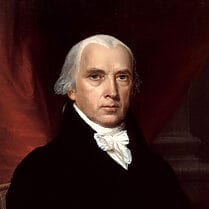


Member Discussion
What Members Are Saying
No comments yet. Be the first to share your thoughts.
Freedom vs. Force