[00:00] Show Announcer: It's the Kim Monson show analyzing the most important stories.
[00:10] Kim Monson: An early childhood taxing district.
[00:14] Show Announcer: The latest in politics and world affairs?
[00:16] Kim Monson: I don't think that we should be passing legislation that is so complicated that people kind of throw up their hands and say: oh, I can't understand today's current opinions and ideas.
[00:25] Kim Monson: It is not fair that just because you're a big business, that you get a break from this and the little guy doesn't.
[00:31] Show Announcer: Is it freedom or is it force?
[00:34] Show Announcer: Let's have a conversation.
[00:38] Kim Monson: And welcome to The Kim Monson Show.
[00:45] Kim Monson: Take care of your heart, your soul, your mind, and your body.
[00:48] Kim Monson: Thank you to this team that I get to work with.
[00:50] Kim Monson: That is producer Steve, Zach, Patty, Keith, Jen, Charlie, all the people here at Crawford Broadcasting.
[00:58] Producer Steve: Yahoo, it's here.
[01:01] Kim Monson: I thought you'd be a little bit more excited.
[01:03] Producer Steve: But, you know, I know I'm still in shock from our, we're probably not supposed to talk about our technical issues.
[01:10] Producer Steve: But, you know, that little technical snafu we had just today still has my head spinning.
[01:17] Kim Monson: Yes, we did have a little technical snafu, but it's live radio.
[01:22] Kim Monson: We were able to actually adjust things for our pre-or rebroadcasts.
[01:28] Producer Steve: Producer steve: yeah, it's a trapeze, no net type of situation.
[01:36] Kim Monson: Obviously we obviously made it thrilled to have in studio with me Allen Thomas.
[01:42] Kim Monson: He is, uh, one of our our, I'm gonna one of our columnists.
[01:45] Kim Monson: I always give you new monikers, don't I?
[01:48] Allen Thomas: You always do, and It's great to be here Kim.
[01:51] Kim Monson: You've written a piece, Court Complacency, and I was talking with somebody the other day.
[01:56] Kim Monson: I said, Alan's going to be on the show on Friday, and he always makes me think.
[02:01] Kim Monson: We always have, I think, really great conversations.
[02:03] Kim Monson: So in segments three and four, we're going to talk about this piece, Court Complacency.
[02:08] Kim Monson: We'll be rolling it out in the newsletter this weekend.
[02:13] Kim Monson: So that would be why you should go to my website, Kim Monson, M- O-N-S-O-N.
[02:17] Kim Monson: Sign up for our weekly newsletter there.
[02:20] Kim Monson: We have all of our recaps and all of our podcasts there.
[02:23] Kim Monson: And Producer Steve, we've been on a two business day lag time on getting our shows and our podcasts posted.
[02:33] Kim Monson: And you know there's a lot of moving parts, Producer Steve, to get from where we are here to having those podcasts up there.
[02:41] Kim Monson: But February 7th is our goal, is that we're going to have same- dayposts on that.
[02:50] Kim Monson: And it's going to involve changing some of the moving parts.
[02:52] Kim Monson: But that is our goal, is to get to that point.
[02:54] Kim Monson: And that's pretty good for this little team, you know?
[02:57] Producer Steve: How long have we been doing this?
[02:58] Producer Steve: Because I want to say, whatever the answer is, I don't know all the moving parts.
[03:03] Producer Steve: I'm still trying to figure it out.
[03:05] Kim Monson: The key is that you take care of your moving part.
[03:08] Kim Monson: And that's the very first thing that's important in this whole wheel, Steve.
[03:14] Kim Monson: Keep doing exactly what you're doing.
[03:16] Kim Monson: You can email me at kim at kimMonson.
[03:19] Kim Monson: And I thank each and every one of you who support us.
[03:22] Kim Monson: Steve, this week, our America's Veterans Story Show with Kim Monson, which broadcasts at 3 p.
[03:30] Kim Monson: Great interview with Betty Cranmer and her daughter, Susan Gorman.
[03:35] Kim Monson: Betty is 100 years old, Allen Thomas, and she grew up in Britain.
[03:39] Kim Monson: And so she lived through the Battle of Britain.
[03:41] Kim Monson: She wanted to get into the Women's Royal Air Force.
[03:47] Kim Monson: Since she had some nursing experience, they actually stationed her at a hospital, a burn and plastic surgery hospital, but 100 years old.
[03:57] Allen Thomas: Man, every time you talk about these veterans, it just blows my mind how resilient they are.
[04:03] Kim Monson: Alan, that's why it's so important that we know our history.
[04:08] Kim Monson: And when we look at school curriculum, what has been happening there, we realize that it's important that we know our history, all of it, the good and the bad.
[04:20] Kim Monson: But right now, this whole movement on the CRT, critical race theory, this curriculum has been focusing on the bad instead of any of the good.
[04:33] Allen Thomas: And it's this push away towards knowing your core civic knowledge.
[04:38] Allen Thomas: You know, one of the precepts of the Constitution is knowing what type of government you have in place and knowing the history.
[04:44] Allen Thomas: You know, America has definitely failed in many regards to uphold the Constitution.
[04:49] Allen Thomas: But if we don't look at the history and say, this is how it failed, this is why it failed, and this is why having these unalienable rights is necessary, then why live history if we're just going to repeat it?
[05:01] Kim Monson: And that brings us to our quote for today.
[05:05] Kim Monson: Actually, and the quote at the end of the day is, maybe I should switch them around.
[05:11] Kim Monson: That would be super, I'm going to switch it around.
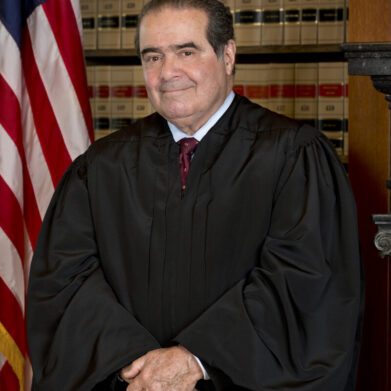
[05:15] Kim Monson: Antonin Scalia, and he was an American jurist who served as an associate justice of the Supreme Court of the United States from 1986 until his death in 2016.
[05:26] Kim Monson: He was described as the intellectual anchor for the originalist and textualist position in the court's conservative wing.
[05:39] Kim Monson: And he said this, That's the argument of flexibility, and it goes something like this.
[05:45] Kim Monson: The Constitution is over 200 years old, and societies change.
[05:49] Kim Monson: It has to change with society like a living organism, or it will become brittle and break.
[05:55] Kim Monson: But you would have to be an idiot to believe that.
[05:59] Kim Monson: The Constitution is not a living organism.
[06:04] Kim Monson: It says something and doesn't say other things.
[06:08] Kim Monson: That's kind of exactly what you said.
[06:12] Allen Thomas: And here's what this whole living document argument just frustrates me is the founding fathers said it wasn't perfect.
[06:20] Allen Thomas: They put an ability for the Constitution to change, which is very difficult by amending the Constitution, but that's on purpose.
[06:28] Allen Thomas: So they knew that things weren't perfect when they drafted it and that societies down the line may have to change some things, and they provided an avenue for that change.
[06:37] Allen Thomas: But to Antonin's point, I sure am happy that my rent, my lease document doesn't change three months after I sign it.
[06:47] Allen Thomas: And they suddenly go, oh, why don't you pay$ 300 more per month?
[06:50] Allen Thomas: I want that legal document to be set in stone, so I know exactly how much I'm going to pay.
[06:56] Allen Thomas: I don't want it to be a living document where they can choose what applies, what doesn't apply, and how much I can pay and how much I won't.
[07:03] Kim Monson: So that is an excellent analogy of how this whole thing comes down.
[07:10] Allen Thomas: I mean, if you don't have rule of law, then how can people live?
[07:13] Allen Thomas: You know, that's our problem with businesses in these regulatory agencies, right?
[07:17] Allen Thomas: When you don't have a rule of law, when you just have people who say, excuse me, this regulation applies now, but it doesn't apply to that business, or I'm going to choose to enforce it now and not choose to enforce it in the future.
[07:29] Allen Thomas: how can businesses really do anything because the rule of law isn't set in stone.
[07:35] Allen Thomas: That's why these legal documents need to be set in stone, is so that people know how to live their lives.
[07:42] Allen Thomas: They can base their lives around a certain way that they're supposed to live.
[07:45] Kim Monson: Okay, rule of law, because Americans do believe in rule of law.
[07:50] Kim Monson: You can even see that when we had the PBIs through this whole Wuhan China virus reaction disruption, and we saw all these rules and regulations come down, we see that Americans are people that want to respect rule of law.
[08:06] Kim Monson: But that law needs to fall within this idea of the Constitution.
[08:11] Kim Monson: And to have legislative bodies pass legislation that they know is unconstitutional, and we've even had presidents and governors sign things and say, well, let's just see what the courts have to say about it.
[08:25] Kim Monson: In every aspect of our branches of government, legislative, executive, and the judiciary, each of them needs to stay within the guardrails of the Constitution, which hence goes back to the quote about the living Constitution.
[08:41] Kim Monson: And when, Alan, when we talk about language, the word conservative has gotten a bad rap for a long time.
[08:50] Kim Monson: They've actually wanted to make it sound like conservatives want to tell you how you can live your life.
[08:55] Kim Monson: Well, Wuhan China virus reaction disruption actually shows that it's not so much the conservatives but the quote unquote progressives that want to tell you how to live your life.
[09:06] Allen Thomas: We just want to conserve a way of protecting how to live your life, right?
[09:11] Allen Thomas: We want to give you the ability to live your life.
[09:13] Allen Thomas: And the way we do that is by conserving the Constitution, by conserving your right to life, liberty, and the pursuit of happiness.
[09:20] Kim Monson: And so I was thinking about language, just as you were talking.
[09:24] Kim Monson: The word conservative, the word conserve has a positive connotation when you're talking about conserving water, conserving, conserving.
[09:36] Kim Monson: And perhaps also maybe we could take the word preservationist, that we want to preserve this idea of the Constitution.
[09:46] Allen Thomas: the only problem is we're trying to preserve, I think, something that has been decades.
[09:51] Allen Thomas: There's been an erosion of the Constitution for decades and 100 years that we want to preserve a Constitution 100 years ago, not preserve the Constitution as it is today, if you know what I mean.
[10:06] Kim Monson: Let's ask Steve Cruz what he thinks about all of this.
[10:09] Kim Monson: Steve Cruz, three points financial.
[10:11] Kim Monson: First question, what do you think about this conserve- preserveconversation.
[10:17] Steve Cruz: I have to admit, I just got on, Kim.
[10:23] Kim Monson: So while you're getting on the phone, we're having this serious conversation, and then I toss it over to you.
[10:30] Kim Monson: Let's talk about what we were really going to talk about, and that is last week we'd had some questions.
[10:37] Kim Monson: The stimulus checks for families, I guess, was going to stop, but also wanted to know about how taxes on that, because, and again, I want to back up just a little bit.
[10:51] Kim Monson: Cruz, three points financial, fee- onlyfinancial planning firm.
[10:55] Kim Monson: Explain the three pillars of what you do, or the three points with three points financial.
[11:01] Steve Cruz: Yeah, the three points, tax planning and taxes, investments, and then retirement and financial planning.
[11:10] Steve Cruz: And we believe that, you know, all those three things need to be addressed cohesively to make best progress financially.
[11:18] Kim Monson: And with that, this whole tax question, last week, we had mentioned the stimulus checks that had gone out to Americans and the child tax credits.
[11:30] Kim Monson: Will people have to pay taxes on that stimulus check money?
[11:34] Steve Cruz: So on the stimulus check money, it's pretty straightforward.
[11:39] Steve Cruz: People are not going to have to, it's not taxable income, but they will receive a letter in the mail that they need to retain just to show that they did get, to report that they did receive a stimulus check, but it's not taxable.
[11:54] Steve Cruz: However, on the other item that I mentioned last week, the advanced child tax credit payments, I do think many people are probably going to be in for a surprise when they file their taxes for 2021.
[12:11] Steve Cruz: And the reason for that is in 2020, the tax credit, the child tax credit is$ 2, 000per child.
[12:22] Steve Cruz: In 2021, that credit was increased to$ 3, 000for kids 6 to 17, and then it was increased to$ 3, 600for children under age 6.
[12:37] Steve Cruz: So overall, people are getting more money for the child tax credit, but the way that it happens is one half of the credit.
[12:47] Steve Cruz: So let's take the$ 3, 000per kid example for a child that's 6 to 17.$ 1, 500or half of that$ 3, 000,$1, 500was prepaid in 2021 starting in July.
[13:05] Steve Cruz: And basically one- sixthof that$ 1, 500,half of the credit, was paid each month in 2021 from July to December.
[13:14] Steve Cruz: So what that means is when people go actually to file their taxes for 2021, if normally they maybe broke even and they didn't owe anything or they owed a little bit or they got a little bit of a refund, they've already gotten$ 1, 500of that credit.
[13:34] Steve Cruz: And so all they have left when it actually comes tax time is an additional$ 1, 500.
[13:42] Steve Cruz: And normally that would be$ 2, 000when they actually file their tax credit.
[13:44] Steve Cruz: So again, overall, they're getting more money.
[13:47] Steve Cruz: But because it's already been prepaid, when they actually file their taxes, they may end up owing more than they typically do or their refund may be less.
[13:56] Steve Cruz: And so I just want people to be aware of that, so they're not surprised when they actually file the return.
[14:03] Kim Monson: Steve Cruz, I cannot believe how complicated they have made this.
[14:08] Kim Monson: That is why the services that you and Mary Alpers have at Three Points Financial is so important.
[14:14] Kim Monson: This is still a little bit as clear as mud to me, but it looks like government has their hand all over it.
[14:21] Kim Monson: But thank you for, I think you've really clarified it.
[14:25] Kim Monson: Okay, Steve, what's your final thought you'd like to leave with our listeners today?
[14:29] Steve Cruz: Just let them know that we specialize in helping people achieve their long- termgoals.
[14:39] Steve Cruz: We act as a partner and we offer a free one- hourconsultation, kind of a second opinion.
[14:45] Steve Cruz: You know, if they're just looking to see: hey, am I, am I on track?
[14:48] Steve Cruz: You know with my goals and they can.
[14:52] Steve Cruz: They can schedule that at three points financial.
[14:54] Steve Cruz: comunder the contact us section there and again three points financial.
[15:00] Kim Monson: Those three points are taxes, investments, and retirement planning.
[15:03] Kim Monson: Steve Cruz, we will talk to you or Mary next week.
[15:10] Kim Monson: When we come back, Allen Thomas is in studio.
[15:12] Kim Monson: We want to go through bills of the day, a couple of comments on some of the headlines, and then we'll talk about Alan's piece, court complacency in segments three and four.
[15:21] Three Points Financial Commercial: Three Points Financial is a fiduciary financial planning company focused on helping individuals and families.
[15:28] Three Points Financial Commercial: Mary Alpers and Steve Kruse at Three Points Financial specialize in investment strategies, tax planning and preparation, and retirement planning with no product sales or commissions.
[15:39] Three Points Financial Commercial: Tax laws have changed and will continue to change.
[15:41] Three Points Financial Commercial: Inflation is real.
[15:43] Three Points Financial Commercial: Three Points Financial helps you maneuver through these changes to achieve your financial success.
[15:47] Three Points Financial Commercial: For clarity and a solid, relevant financial and investment plan while working with a company that puts your interests at the forefront, schedule a no- obligationinitial consultation at 3pointsfinancial.
[15:59] Three Points Financial Commercial: com.
[16:00] Three Points Financial Commercial: That's 3pointsfinancial.
[16:01] Three Points Financial Commercial: com.
[16:02] Kim Monson Promo: Would you have ever dreamed that freedom of speech, freedom of thought, freedom of assembly, and freedom of religion would be under assault and attack in America?
[16:13] Kim Monson Promo: Unbelievably, it is happening right before our eyes.
[16:17] Kim Monson Promo: That is why it is important to keep free- thinking,independent voices on the airwaves, the internet, and social media.
[16:26] Kim Monson Promo: Kim Monson is one of those important voices.
[16:29] Kim Monson Promo: Help her keep independence alive.
[16:32] Kim Monson Promo: Go to kimMonson.
[16:33] Kim Monson Promo: comto contribute, to join Kim in the battle of ideas raging in America today.
[16:37] Kim Monson Promo: That's kimMonson, M- O-N-S-O-Ndot com.
[16:39] Kim Monson Promo: com.
[16:40] Kim Monson Promo: From the lakes of minnesota.
[16:43] Kim Monson: Welcome back to the kim Monson show.
[16:49] Kim Monson: com sign up for our weekly newsletter there you can email me at kim at kim Monson.
[16:55] Kim Monson: And great to talk with steve cruz with three points financial before we went to break.
[16:59] Kim Monson: Another great sponsor of the show is hooters restaurants.
[17:03] Kim Monson: That's loveland, westminster, aurora, lone tree in colorado.
[17:06] Kim Monson: Springs and monday through Friday, a couple of great things.
[17:09] Kim Monson: They have happy hour specials, 3 to 6 p.
[17:14] Kim Monson: And their appetizers are beer cheese pretzels or boneless wings, lots of tots, buffalo shrimp or fried pickles and specials on different drinks.
[17:22] Kim Monson: And then their lunch specials, they're keeping the line on that.
[17:27] Kim Monson: And in that$ 10 item range, I love their lunch fish and chips.
[17:32] Kim Monson: And they have some new fries as well that I love.
[17:34] Kim Monson: So be sure and check that out at my website, and that is Hooters Restaurants.
[17:39] Kim Monson: And again, I thank them for their partnership of the show.
[17:43] Kim Monson: Alan, yesterday we had talked a bit about this House bill, and we're doing a bill of the day because the legislature is in session.
[17:52] Kim Monson: House Bill 22-1066, sponsored by Representative Tim Geithner.
[17:58] Kim Monson: And it is public education curriculum and professional development information.
[18:02] Kim Monson: And the key things about this is, is that it would say that basically parents, community would have available to them so they could take a look at it.
[18:11] Kim Monson: A list of the educational materials that that local education provider uses for each grade, subject, and course.
[18:18] Kim Monson: A copy of each survey at non-academic assessment, analysis, and evaluation distributed to students.
[18:26] Kim Monson: A list of devices, programs, and software that the local education provider uses that collects student biometric data.
[18:36] Kim Monson: Information concerning the professional development requirements for educators whom the local education provider employs.
[18:43] Kim Monson: And that last one, I've seen over the years that those that want to indoctrinate our kids start by trying to indoctrinate our teachers.
[18:53] Kim Monson: And I'm shocked, and Steve and I were talking about it on our pre-call, is there's only one name on this.
[19:02] Kim Monson: The sponsor is Representative Geithner.
[19:05] Kim Monson: You would think that you would have every Republican on this because this is so important.
[19:13] Kim Monson: Each legislator can introduce a certain amount of bills.
[19:17] Kim Monson: So maybe they are wanting to save that for something else.
[19:21] Kim Monson: But this year seems like one that they should all be piled on.
[19:24] Allen Thomas: It does make me wonder how many Republicans are behind it.
[19:30] Allen Thomas: You know, because because we definitely need a lot more unity within the party, especially here in Colorado, to get some of these good bills through and to get the public support that we need.
[19:41] Kim Monson: So I wanted to just make sure that people knew about that.
[19:43] Kim Monson: And again, that's House Bill 22-1066, a very good piece of legislation.
[19:49] Kim Monson: And gosh, I would think that Democrats should be on board on this.
[19:55] Kim Monson: I think every American would want to be on board on this.
[19:57] Kim Monson: So as we talk about the veil is coming off on different agendas, just keep an eye on this.
[20:04] Kim Monson: Another one that we're going to mention, and that is, get me to it here, House Bill 22-1085.
[20:13] Kim Monson: And the sponsor on this is Representative Ron Hanks.
[20:17] Kim Monson: And he was on the show on, I think it was Monday or Tuesday.
[20:23] Kim Monson: And he is one of the candidates for U.
[20:28] Kim Monson: Any candidate that wants to get on the show and reaches out to me, I will make sure I find time on the show, because I think it's important that the listeners get to know the candidates and they get an opportunity to talk about what they're all about.
[20:41] Kim Monson: But this one is concerning paper ballot fraud countermeasures.
[20:45] Kim Monson: And it says it's a bill that requires that paper used for paper ballots have certain fraud countermeasures and that paper ballot records be provided by vendors that have one or more specified accreditations in any primary, general, coordinated, statewide or statewide recall election.
[21:02] Kim Monson: The bill requires the General Assembly to annually appropriate money from the general fund to the Department of State, as necessary for the Department of State to pay County Clerk and Recorders for the costs related to complying with the requirements of this bill.
[21:17] Kim Monson: Seems as we're looking at our elections the things that we can do to, I think, reduce vulnerability is important.
[21:30] Kim Monson: And so this is at least Representative Hanks, I think, first move on election vulnerability, integrity.
[21:41] Allen Thomas: It seems pretty common sense and kind of surprising that it's even needed.
[21:46] Allen Thomas: You know, you would think, you know, something as important as that would have a watermark or some sort of fraud countermeasure because it just makes sense.
[21:54] Allen Thomas: When you have vulnerabilities, checks and bank notes and your money all have fraud countermeasures because they're important.
[22:05] Kim Monson: Well, we'll see what happens with that one.
[22:07] Kim Monson: Next thing, I think we should at some point in time, Steve, maybe find some music as we start to connect the dots.
[22:16] Kim Monson: And the next one is, let's see, this came from the Hill, which is pretty left-leaning.
[22:22] Kim Monson: And interestingly enough, most of the top lobbying firms, well, the report record-breaking 2021 earnings.
[22:31] Kim Monson: And going on through here, one of the firms here in Colorado, which is Brownstein, Farber, Hyatt, I can't remember all the names, but they brought in$ 56.
[22:43] Kim Monson: 3 million in lobbying revenue last year, more than any other firm on record.
[22:49] Kim Monson: That is an increase of 14%from the firm's 2020 total, which set a new benchmark at that time.
[22:57] Kim Monson: Said the influential firm reported nearly$ 16 million in fourth quarter earnings, a 29% bumpfrom the same period in 2020, according to figures that were required to be filed to Congress Thursday.
[23:10] Kim Monson: In recent months, Brownstein's lobbyists keyed in on federal implementation of the bipartisan infrastructure bill and key provisions in the Build Back Better Act, but I think that's the Build Back Bankrupt Act.
[23:27] Kim Monson: And here we have, right here in Denver, Colorado, a firm that raked in record revenues on that, And then just connecting a dot, and I just think it's important.
[23:42] Kim Monson: You mentioned the Republican Party, Alan, but one of the attorneys that is with Brownstein- Farber isalso the attorney for the Colorado State GOP.
[23:54] Kim Monson: And then we've got all this brouhaha over here in the state GOP regarding bylaws, which many times requires an opinion by an attorney.
[24:05] Kim Monson: And so I think this is just, this may be initial connect the dot, but I think it's important that everybody be aware of that, Producer Steve.
[24:15] Producer Steve: I'm glad that there's two of you here because I want you two to educate me.
[24:19] Producer Steve: What is the whole purpose behind lobbying and that industry?
[24:24] Producer Steve: I mean, it happens here at the state level, and we certainly know what happens in Washington.
[24:30] Producer Steve: What is the reason for lobbying or lobbyists?
[24:33] Kim Monson: And that is, well, initially I think it was that there was legislation out there and industry would hire people, lobbyists, to go to the legislators to inform them of what is in that particular bill.
[24:51] Kim Monson: But now with all of this legislation, as long as it is, as complicated as it is, legislators are not reading it before they pass it, which I think that's wrong.
[25:01] Kim Monson: If you can't read it, you shouldn't vote on it and vote yes on it.
[25:06] Kim Monson: But then these lobbyists come in and they say: this is what it says, but I don't think it is always what they say it says.
[25:13] Kim Monson: So that's how we've gotten into this point, and it's basically gotten to a point where it's influence.
[25:21] Allen Thomas: No, I absolutely agree, and you know lobbying gets a bad name, but inherently it's necessary.
[25:26] Allen Thomas: I mean, farmers out on the front range can't individually come to the state house to advocate for good agricultural bills.
[25:33] Allen Thomas: So they hire, you know, they group their resources and they hire a lobbyist to come to the state capitol and advocate for agriculture.
[25:42] Allen Thomas: And just to be fair, advocate for good bills for agriculture and then also to educate legislators on bad bills, you know, things that will hurt the agricultural industry.
[25:51] Allen Thomas: So lobbying is necessary, but it is very interesting when you need lobbying for bills that have already been passed, especially these big bills that nobody has fully read or fully understood.
[26:04] Allen Thomas: And that's where you start to get some questions and you start to think.
[26:09] Allen Thomas: And absolutely, it's gotten to the point where if you have enough money and you can basically buy a legislator's rerun campaign to get them back in office, it makes lobbying seem pretty murky.
[26:23] Kim Monson: And one of the biggest lobbyists is Big Pharma.
[26:27] Kim Monson: And so we've seen in a lot of this legislation that there's legislation that then is passed that is favorable to that particular industry.
[26:41] Kim Monson: And we need to reclaim this whole idea of the Constitution keeping the federal government smaller.
[26:49] Kim Monson: Lobbyists, all this money has made it bigger and bigger.
[26:53] Kim Monson: But there's just a couple of questions, and this is a beginning of a connect.
[26:58] Kim Monson: The dot with me is: how is it that a firm in Denver Colorado had record revenues regarding the Build Back Better Act?
[27:08] Kim Monson: And then we've got all of these challenges with what's happened in Colorado, with shutting down our oil and gas industry and CRT and curriculum, and I continue to say that Colorado is at the tip of the spear Alan.
[27:23] Kim Monson: That is why when we open the show and I say, you are made for this moment, Alan, you were made for this moment.
[27:30] Kim Monson: We need to continue to shed light on this, work to reclaim this American idea to pass something good onto the next generation.
[27:39] Allen Thomas: I mean, there's an adage, follow the money for a reason, right?
[27:43] Kim Monson: Andso we will continue to connect the dots.
[27:46] Kim Monson: One other thing before we get to our next segments is on Wednesday night, the big voting rights bill.
[27:57] Kim Monson: God bless Joe Manchin and God bless Kyrsten Sinema, the senators, Joe Manchin from West Virginia and Kyrsten Sinema from Arizona.
[28:06] Kim Monson: But it is beyond belief to me, the pressure that has been put on there.
[28:13] Kim Monson: And that would basically federalize our elections.
[28:16] Kim Monson: Our founding fathers said no, that the state should be in charge of their elections.
[28:25] Kim Monson: And we had run the promo the other day that Washington, D.
[28:30] Kim Monson: MayorMuriel Bowser has issued an edict that if you want to go to a restaurant, a bar, or any place in Washington, D.
[28:38] Kim Monson: C., youhave to show your vaccine card.
[28:40] Kim Monson: And then apparently people have been trading their vaccine cards.
[28:43] Kim Monson: So now she says that you need to have photo ID.
[28:46] Kim Monson: But yet you don't need photo ID over here.
[28:49] Kim Monson: It's racist to have photo ID for voting, but she's just saying to a big portion of the black population in Washington, D.
[28:57] Kim Monson: C., andmany in the black community are suspect of the vaccine.
[29:04] Kim Monson: So their vaccination rates are less than maybe other segments of the population.
[29:09] Kim Monson: But she's saying to you, if you don't have this, you can't go into a restaurant.
[29:16] Allen Thomas: That whole argument never has, and that's the problem, right?
[29:20] Allen Thomas: I mean, who doesn't know how to go get a photo ID?
[29:23] Allen Thomas: I mean, are you really calling people stupid?
[29:25] Allen Thomas: Like, are you really saying they're so stupid they can't get photo ID?
[29:34] Allen Thomas: So that whole argument has just never had a leg to stand on, in my opinion.
[29:38] Kim Monson: Well, and Steve, you have a good point.
[29:42] Producer Steve: Yeah, I took our infamous wall calendar here and did a countdown to November 8th, which is the date of the midterms.
[29:51] Producer Steve: As of today, you have 291 days to get that idea if you don't have it.
[29:57] Producer Steve: But who in the world, like Alan is saying, who in the world doesn't have one?
[30:00] Producer Steve: Right.
[30:01] Kim Monson: And so the narrative, the exciting thing, Alan, is the wheels are coming off many of these narratives.
[30:09] Kim Monson: And that's why it's important that we continue to shed light on this.
[30:12] Kim Monson: That's why this show, we look for truth and clarity through the lens of freedom versus force, force versus freedom.
[30:19] Kim Monson: And the show comes to you because I get to work with a lot of really great people.
[30:24] Kim Monson: And on the line with me is one of my great partners, and that is Hal Van Herkey.
[30:28] Kim Monson: He and his wife, Linnea, are great partners of both the shows, The Kim Monson Show and America's Veterans Stories with Kim Monson.
[30:36] Kim Monson: They own Castlegate Knife and Tool, which is a premier knife and tool store.
[30:42] Kim Monson: It's located right here in Sedalia, Colorado.
[30:45] Kim Monson: Hal Van Herke, great to have you on the show.
[30:50] Kim Monson: And you are out in Vegas right now.
[30:53] Hal Van Hercke: Yeah, we're in Vegas for the SHOT Show, which is the largest firearms industry- related showin the world.
[31:05] Hal Van Hercke: what didn't happen last year because of COVID, but it's back strong this year, which is great.
[31:13] Hal Van Hercke: The Consumer Electronics Show was last week, and they still had 75% of theirpeople not showing up, but about 70% of the SHOTShow attendees are here, so obviously not as concerned about COVID and wanting to move forward with their businesses as compared to the big tech companies.
[31:43] Hal Van Hercke: Yeah, I'd say it's humming again, but quiet, which makes it a great time.
[31:48] Hal Van Hercke: I'm not a Vegas travel poster, but yeah, it looks like a perfect time to go to Vegas because everything's open and it's about maybe an overall 50% capacity, so you don'thave huge lines for restaurants or shows or things, So probably a good time to go if you're so inclined.
[32:07] Kim Monson: What are you seeing at the SHOT Show?
[32:09] Kim Monson: I know that you are always looking for new products, innovative products.
[32:12] Kim Monson: What are you seeing there at the SHOT Show?
[32:15] Hal Van Hercke: Yeah, two of the things that come out to mind for us, of course, we're out here at a firearms show, but it's also the largest knife industry show in terms of us meeting with our vendors.
[32:26] Hal Van Hercke: And one big thing is that Microtech is here for the first time ever, and they've got a very large booth displaying their entire line.
[32:32] Hal Van Hercke: So they're demonstrating their commitment to the industry.
[32:36] Hal Van Hercke: And most of their models have been announced at the beginning of the year, independent of the show, but they've doubled their capacity over the last two years.
[32:46] Hal Van Hercke: So we're expecting to get more and more of their product in all the time.
[32:49] Hal Van Hercke: But the one that really stands out for me so far that I've met is Benchmade.
[32:53] Hal Van Hercke: Benchmade out of Oregon, obviously, has also really invested heavily and expanding their capacity of U.
[33:00] Hal Van Hercke: And theyprobably came out with almost two dozen new models this year that they announced at the show, which is incredible.
[33:10] Hal Van Hercke: Their product quality seems to be, it has always been great.
[33:16] Hal Van Hercke: It seems to be right at the top of the industry, maybe the best that it's ever been.
[33:22] Hal Van Hercke: We're just now starting to get some of those new products into the store and looking forward to getting all of those new models in over the next three to four months.
[33:31] Kim Monson: You're singing our tune, Hal Van Herky, American Made, and just love that.
[33:38] Kim Monson: And thanks for letting us know about that.
[33:40] Kim Monson: And again, if you are shopping a wedding gift, a birthday gift for a chef, a sportsman, a collector, Castle Gate Knife and Tool is the place for you.
[33:51] Kim Monson: Okay, Hal, we'll talk to you next week.
[33:57] Kim Monson: And we'll be right back with Allen Thomas.
[33:59] Karen Levine REMAX Commercial: Home ownership and private property rights help you build wealth for you and your family.
[34:05] Karen Levine REMAX Commercial: REMAX Alliance award-winning realtor Karen Levine understands this.
[34:09] Karen Levine REMAX Commercial: Supply is super tight right now.
[34:11] Karen Levine REMAX Commercial: This is why you need a seasoned professional with excellent negotiating skills on your side of the table, whether buying or selling an existing home or buying a new build.
[34:20] Karen Levine REMAX Commercial: As a member of the National Association of Realtors Board of Directors, Karen Levine volunteers hours of her time to help you build your American dream.
[34:30] Karen Levine REMAX Commercial: Call her today at 303-877-7516.
[34:35] Karen Levine REMAX Commercial: Again, that's 303-877-7516.
[34:39] Producer Steve: You'd like to get in touch with one of Kim Monson's sponsors, but you can't recall their phone number.
[34:45] Producer Steve: Find a full list of advertising partners on Kim's website, kimMonson.
[34:48] Producer Steve: com.
[34:49] Producer Steve: That's Kim, M-O-N-S-O-N dot com.
[34:54] Kim Monson: Welcome back to the Kim Monson Show.
[34:59] Kim Monson: That's kimMonson, M-O-N-S-O-N dot com.
[35:01] Kim Monson: Sign up for our weekly newsletter there, and you can email me at kim at kimMonson.
[35:11] Kim Monson: I am just so excited to let you know that the media training workshop that Helen Raleigh and I are doing on February 19th is sold out.
[35:17] Kim Monson: But I talked to Helen the other day, and she said we should do another one.
[35:21] Kim Monson: So stay tuned, because I know a lot of you are super interested, and we're surprised it sold out that quickly, but really jazzed about that.
[35:29] Kim Monson: And then next Saturday is the Lachman Republican Women, along with the Boulder County Republican Women and the Boulder County GOP, are hosting a forum with all of the, well, I think it's all of the senatorial candidates.
[35:47] Kim Monson: And it's going to be a great evening.
[35:51] Kim Monson: And I will be co-moderating that with one of my colleagues from Liberty Toastmasters.
[35:57] Kim Monson: And you can the flyers on my website.
[35:59] Kim Monson: You can buy your tickets there in studio with me is Allen Thomas and he is a columnist.
[36:06] Kim Monson: I'm calling you today with the kim Monson show and I I so appreciate the pieces that you are writing because I can tell you put a lot of thought into this and you always challenge me, and this one is titled court complacency.
[36:20] Kim Monson: So so start to walk us through this on this, Alan.
[36:24] Allen Thomas: So this really came, you know, it started a little bit last year when some of these vaccination mandates were starting to come up against some of the courts.
[36:35] Allen Thomas: And one of the courts for our service members said that the Marines should be allowed to go through the Reasonable Accommodation Act.
[36:42] Allen Thomas: And people were happy that they agreed with that.
[36:45] Allen Thomas: And, you know, the Reasonable Accommodation Act is allowing medical or religious accommodations to for not getting vaccine exemptions.
[36:53] Unknown: Yeah.
[36:54] Allen Thomas: So then, you know, we started out the year and the Supreme Court decided it wanted to hear about the OSHA mandate and the Health and Human Services medical worker mandate.
[37:06] Allen Thomas: And, you know, right away, when the court struck down the very unconstitutional OSHA requirement for vaccinating your employers, you know, everybody went crazy.
[37:20] Allen Thomas: You know, every legislator went on Fox News and said how this was a great day for liberty and freedom.
[37:30] Allen Thomas: However, I wasn't sharing the same excitement.
[37:31] Allen Thomas: It was more of a, I'm thankful it happened, but I'm not really, I didn't see it as a win.
[37:36] Allen Thomas: And then the news came out that the vaccination mandate for health workers by the Health and Human Services was upheld.
[37:44] Allen Thomas: And as I was researching the article, I found out that, you know, they required it for facilities that take Medicare and Medicaid.
[37:51] Allen Thomas: And I didn't realize that it's estimated that 71%of all health facilities and 85% ofall health facilities take Medicare and Medicaid.
[38:01] Allen Thomas: So when you think about that, the Health and Human Services now has this insane amount of force over 85% of avery critical industry that everybody has to use.
[38:11] Allen Thomas: And so while we're celebrating one Supreme Court ruling, the other one actually handed an insane amount of force to the government.
[38:20] Allen Thomas: And it just made me think, should we be even celebrating Supreme Court wins?
[38:26] Allen Thomas: And I went back and I started looking at some of the Federalist Papers.
[38:33] Allen Thomas: So Federalist Papers number 78 is the one I use in the article.
[38:36] Allen Thomas: And they really described the Supreme Court as this bulwark.
[38:43] Allen Thomas: A bulwark is a defensive wall that you construct around positions that you want to defend.
[38:50] Allen Thomas: And it made me think, when you're in battle and you're defending against an attack, you're thankful that the defensive wall is there.
[38:58] Allen Thomas: You're thankful that the enemy can't scale past that bulwark or get past it.
[39:06] Allen Thomas: You're getting attacks right where it's most critical.
[39:10] Allen Thomas: And that's how we've treated Supreme Court wins lately.
[39:15] Allen Thomas: You know, that's one of the key things Trump did was give us the Supreme Court.
[39:22] Allen Thomas: But these aren't wins because one of the examples I use is Jack Phillips.
[39:26] Allen Thomas: You know, he went before the Supreme Court.
[39:33] Allen Thomas: And instead, he just got sued again and again and again.
[39:37] Allen Thomas: And actually now what progressives have done is they've said, okay, well, the Supreme Court is federal law, so now we're going to sue him in the state courts, and he lost.
[39:47] Allen Thomas: And so we need to start treating the Supreme Court less as victories and wins and celebrations, and more as attacks against our Constitution.
[39:56] Allen Thomas: And yes, we may have survived the attack, but we need to quit playing defense.
[40:01] Allen Thomas: We need to quit relying on the Supreme Court.
[40:03] Allen Thomas: We instead need to go on offense and start taking this to a legislative battle and start trying to pass bills and laws to protect the Constitution, to start to hole up some of these holes that we're relying the Supreme Court to fill.
[40:17] Allen Thomas: And instead, we need to go out and work with our legislators and tell them to shore up the defenses so that it doesn't get to the Supreme Court in the future.
[40:29] Kim Monson: Alan, I recently met with someone that was considering running for office.
[40:36] Kim Monson: And somebody had asked the question, what would be one of the first pieces of legislation that you would put forth?
[40:51] Kim Monson: And I said, well, how about finding a really bad piece of legislation and putting forth legislation to get rid of that?
[40:59] Kim Monson: And that would be something that I think would be aggressive, because to your point, when the enemy is at the doorstep, at the bulwark where they're trying to get in, they don't give up.
[41:13] Kim Monson: And you cannot, for example, Kavanaugh was one of those that ruled in favor of the HHS mandate.
[41:21] Kim Monson: And I'm not a Supreme Court justice, and I'm not a constitutional expert.
[41:28] Kim Monson: However, it looks to me like if we're all to be equal under the law, that if you can't mandate over here under OSHA, but all the health care workers can be mandated, that seems like a big disconnect to me.
[41:45] Allen Thomas: And, you know, they use little caveats to justify their opinion.
[41:50] Allen Thomas: And, you know, in my article, I said, you know, all these legislators were willing to get in front of Fox News and a camera to say, hey, this is a big win.
[41:58] Allen Thomas: But none were able to, you know, pass legislation to say, let's shore this up.
[42:02] Allen Thomas: And, of course, like three days after I typed that out and sent it to you, Dan Crenshaw actually did.
[42:07] Allen Thomas: He came up with a bill and said, no, we need to tell HHS they don't have this legal authority, that Congress hasn't delegated this power to HHS.
[42:17] Allen Thomas: And to the point of this article, that's the call to action is we need to start legislating that.
[42:24] Allen Thomas: We need to start saying, okay, you said it was allowable by Congress.
[42:28] Allen Thomas: Well, now Congress is going to say it's not allowable.
[42:32] Allen Thomas: We need legislators to have the guts and the fortitude to say, you know what, this may not be popular, but I don't think that this regulatory agency, that these PBIs should be allowed to have this force.
[42:44] Allen Thomas: So I'm going to propose legislation to take that force away.
[42:47] Allen Thomas: I'm going to tell my government that, no, you don't have the power to regulate 85% of an industryif OSHA doesn't have that requirement.
[42:59] Allen Thomas: I would have said the same thing had the Supreme Court ruled that OSHA did have that authority.
[43:02] Allen Thomas: We would have needed legislators to come in and say, no, we're going to strip that power away from OSHA.
[43:07] Allen Thomas: We're going to strip that power away from HHS.
[43:09] Allen Thomas: We're going to get rid of bad legislation, bad laws.
[43:12] Allen Thomas: It goes back to the whole repeal and replace Obamacare.
[43:19] Allen Thomas: You know, we'll worry about the replacement part later.
[43:21] Allen Thomas: Repeal bad legislation because living with bad legislation isn't good either.
[43:25] Allen Thomas: So we need legislators who have the guts and the courage.
[43:31] Allen Thomas: We need to be able to ask the legislators these questions.
[43:33] Allen Thomas: We need to be able to tell them, I'm in favor of you repealing law after law after law if it's bad, if it's shown that it's not good for the economy.
[43:44] Kim Monson: Wouldn't that be exciting to have a whole group of legislators?
[43:49] Kim Monson: Because, Alan, we don't, I honestly don't think we need another law at all.
[43:54] Kim Monson: I think, wouldn't it be awesome to have a group of people that said, I'm going to run for office on city council.
[44:00] Kim Monson: We're going to go through, we're going to take a look at the, all the ordinances of the city, and we're going to clean that up.
[44:06] Kim Monson: Legislators down at the state house.
[44:09] Kim Monson: And one of One of them that's coming to mind, and I want to go to break so that I get it right, is this one that has given all this power to all these health departments.
[44:17] Kim Monson: So I'm going to check that when we go to break.
[44:21] Kim Monson: Allen Thomas is in studio talking about his op- ed, Court Complacency, whichyou always make me think, and I love that about these pieces and when you're on the show.
[44:33] Kim Monson: Before we do that though, Kersh Insurance Group is another great sponsor of The Kim Monson Show.
[44:39] Kim Monson: And as we can see, it's very complicated.
[44:42] Kim Monson: There is no cost to have a consultation with them.
[44:46] Kim Monson: They work with a number of different carriers here in Colorado.
[44:48] Kim Monson: And right now we're in an open enrollment period, I believe it is, where you can make a change to your Advantage plan.
[44:57] Kim Monson: And of course, if you're coming up on turning 65 this year, you'll need to know what you need to do about Medicare as well.
[45:03] Kim Monson: So Kirsch Insurance Group is the place for you as iKirsch.
[45:06] Kim Monson: We'llbe rightback with Ellen Thomas.
[45:09] Unknown: With the federal government printing money, it looks like inflation is on the horizon.
[45:14] Unknown: That is why you should lock in a low rate now on your mortgage.
[45:18] Unknown: Lorne Levy with Polygon Financial Group is here to help.
[45:22] Unknown: Lauren works with a variety of lenders to assist you in finding the mortgage that is just right for you.
[45:27] Unknown: Locking in a low rate now will save you thousands of dollars over the life of your loan.
[45:33] Unknown: Don't procrastinate, don't wait any longer.
[45:36] Unknown: Call Lauren today at 303- 880- 8881.
[45:38] Unknown: That's 303-880-8881.
[45:41] Sponsor Disclaimer: All ofKim'ssponsors are an inclusive partnership with Kim and are not affiliated with or in partnership with KLZ or Crawford Broadcasting.
[45:52] Sponsor Disclaimer: If you would like to support the work of the Kim Monson Show and grow your business, contact Kim at her website, kimMonson.
[45:58] Sponsor Disclaimer: com.
[45:58] Sponsor Disclaimer: That's Kim Monson,M- O- N- S- O-Ndotcom.
[46:04] Event Announcer: Don'tmiss your chance to hear from the Republican Senate candidates as they go up against Senator Michael Bennett.
[46:11] Event Announcer: Longmont Republican women present a Republican Senate candidate forum on Saturday, January 29th at Twin Peaks Charter Academy in Longmont.
[46:20] Event Announcer: Doors open at 6 p.
[46:22] Event Announcer: m., dinner is provided,and forum starts promptly at 7 p.
[46:25] Event Announcer: m.
[46:26] Event Announcer: Tickets cost$ 35and no tickets will be sold at the door.
[46:30] Event Announcer: Our very own Kim Monson will be moderating, so you don't want to miss it.
[46:35] Event Announcer: Get your tickets at LongmontRepublicanWomen.
[46:36] Event Announcer: org today.
[46:37] Event Announcer: Once again,find more information and get your tickets at LongmontRepublicanWomen.
[46:43] Event Announcer: org.
[46:43] Event Announcer: Welcome back tothe Kim Monson Show.
[46:56] Kim Monson: Signupforour weekly newsletter there.
[46:57] Kim Monson: You can email me at kim at kimMonson.
[47:01] Kim Monson: AlanThomas, your piece, court complacency.
[47:03] Kim Monson: And these two Supreme Court rulings that came down, they basically, they look like they're a big disconnect because we're all to be taught, we're all equal before the law.
[47:18] Kim Monson: And so to shut down or not shut down, but to rule that OSHA cannot mandate these vaccines, but yet over here, health and human services can.
[47:28] Kim Monson: There's just such a disconnect on that.
[47:31] Kim Monson: And when you're having continual attacks on something, it's very difficult.
[47:37] Kim Monson: And we saw that Kavanaugh, I'm not surprised that Roberts ruled the way he did, but I was surprised Kavanaugh.
[47:45] Kim Monson: But when you continue to have these attacks, it's very difficult for people to keep their true north, to be able to stay true to the Constitution.
[47:56] Allen Thomas: I mean, you know, when you think about battle, when you attack a defensive position, each attack slowly erodes it, slowly wears it away.
[48:03] Allen Thomas: And that's what happens when these cases come before the Supreme Court.
[48:07] Allen Thomas: Slowly our Constitution starts to get eroded away, especially when you have Supreme Court justices who think that it's a living document and they're able to do whatever they want and they can interpret it to the times and Sotomayor and the rest of them just think, well, if that sounds better, this is an old document, so we need to change the law and I'm going to do that through my rulings.
[48:29] Allen Thomas: It makes sense that each of these slowly starts to erode the Constitution, which is why it's not really a celebration that we won, right?
[48:36] Allen Thomas: Because it's again, even though the ruling went in our favor, it was still another attack against the Constitution to a populace that isn't very civically minded, that doesn't really understand the Constitution and why it's there and how it came into being.
[48:52] Kim Monson: Well, and the attack on the Constitution has been going on for many years.
[48:58] Kim Monson: And really, I think beginning in the 80s, the early 90s, I was just, I didn't understand what I was seeing.
[49:08] Kim Monson: But there was a concerted movement to chip away at the Constitution, talk about this living document.
[49:17] Kim Monson: And, again, that constant attack, and they really almost accomplished what they wanted to do.
[49:25] Kim Monson: I don't think that they ever thought that there would ever be a Trump.
[49:30] Kim Monson: I don't think they ever thought that there would be maybe another Republican president, which I find, from a strategic standpoint, so interesting that Ruth Bader Ginsburg did not get off the Supreme Court.
[49:44] Kim Monson: the strategic move would have been for Obama, for her to retire, and Obama to be able to appoint a young justice that would be on there for a long time.
[50:02] Kim Monson: I don't know what to say exactly, but it seemed like they missed one.
[50:07] Kim Monson: You get these Supreme Court appointees.
[50:09] Kim Monson: They're not as conservative as we thought they were going to be.
[50:14] Kim Monson: And we cannot depend on them to be this bulwark against the American idea.
[50:21] Allen Thomas: And, you know, I do think that is going to be one of Trump's lasting legacies is the amount of justices, not only in the Supreme Court, but in federal court that he got approved.
[50:31] Allen Thomas: But, you know, Kim, it kind of brings up this kind of interesting thing.
[50:35] Allen Thomas: While I was looking at the Federalist Papers, when I was typing in some keyword searches, some of the Anti-Federalist Papers came up.
[50:43] Allen Thomas: One of the warnings that Brutus, you know, you had Publius for the Federalist Papers and Brutus wrote for the Anti-Federalists.
[50:51] Allen Thomas: One of the things they were arguing about was these life-term appointments for the Supreme court justices.
[50:56] Allen Thomas: And one of the things that anti-federalists said was these justices will believe that they're above heaven and hell.
[51:04] Allen Thomas: They're above everything, because they get to decide what the supreme law of the land is.
[51:10] Allen Thomas: And it's very interesting that that seems to be the case now.
[51:13] Allen Thomas: You know, they did try and tell Ruth Bader Ginsburg to step down.
[51:17] Allen Thomas: Obama and his team asked her to, that way he could appoint a justice and she didn't.
[51:23] Allen Thomas: And it just kind of, I'm not necessarily sure that that was her motivation, that she wanted to keep this power of being a Supreme Court justice.
[51:29] Allen Thomas: I don't know her well enough at all, but it is kind of interesting that that is how a lot of these activist judges do see themselves.
[51:37] Allen Thomas: Now, you see that those rulings from Sotomayor and Kagan and all the others, that they do believe that they're a step above the Constitution, that they now have the power to make these rulings.
[51:49] Allen Thomas: And I just found it very fascinating, doing the research, that some of the warnings of the anti-federalist papers actually did hold true.
[51:57] Allen Thomas: Not necessarily that I would change the life appointments, but that's the key part about history is you have to look at both sides to see what are the warnings?
[52:08] Allen Thomas: You know, what should we be looking out for?
[52:11] Allen Thomas: And it definitely has started to come true to a small extent.
[52:16] Kim Monson: I've never read the anti-Federalist papers, but Jefferson was part of the anti-Federalist, correct?
[52:23] Kim Monson: Jefferson, and Hamilton, I thought, was part of the Federalist.
[52:27] Allen Thomas: So Jefferson, Hamilton, and Madison wrote most of the Federalist papers.
[52:33] Allen Thomas: And they, again, it was actually kind of a brilliant marketing move.
[52:37] Allen Thomas: They called the people they were writing against the anti-Federalists.
[52:45] Kim Monson: I always thought Jefferson was part of the Anti-Federalists.
[52:48] Allen Thomas: Maybe the party, but he wrote the Federalist Papers, and so there were the Anti-Federalist Papers and the Federalist Papers.
[52:59] Kim Monson: Not that I don't trust you, but we've got to do that on air.
[53:02] Kim Monson: This Title 25 in Colorado, which gave all this power to the public health departments, that is a piece of legislation.
[53:14] Kim Monson: It's like when all this was happening is how did they get that much power?
[53:18] Kim Monson: Well, the legislature gave that to them.
[53:20] Kim Monson: The document is now 1100 pages long.
[53:22] Kim Monson: How about we have some legislators who say that they're going to walk that thing back?
[53:28] Kim Monson: Your thoughts while I'm checking this out?
[53:30] Allen Thomas: I mean, that's again, it kind of comes back to ownership.
[53:38] Allen Thomas: You know, as long as you have something, the law kind of assumes that it's yours.
[53:42] Allen Thomas: And that's how a lot of these politicians and bureaucrats view a lot of these like Title 25.
[53:49] Allen Thomas: You know, if I can try and get away with it, as long as nobody objects to it, I guess I'm allowed to do it again and again and again.
[53:57] Allen Thomas: And that's how this overreaction, I think in large part, that's what happened is they we overreacted.
[54:02] Allen Thomas: People said, OK, I guess the government does have that power and we didn't really challenge them too much.
[54:12] Allen Thomas: You know, these state health agencies have that power.
[54:14] Allen Thomas: And I mean, 1,100 pages, Kim, how can you not find some nuance to justify some behavior or action or force that the government has?
[54:25] Allen Thomas: And it's, again, it goes back to, well, just pass it and we'll see what's in there.
[54:31] Allen Thomas: Well, most of the time there's enough nuance and loopholes that it basically means you can do whatever you want.
[54:35] Kim Monson: Well, as government, and they can pick winners and losers.
[54:39] Kim Monson: So Federalist Papers, Alexander Hamilton, James Madison, and John Jay under the Publius.
[54:53] Allen Thomas: That was actually, you know, as researching for this, I was like, man, what other things did the Anti-Federalist Papers write about that were warnings that may have possibly come true now?
[55:09] Kim Monson: Always, it's great to have you here.
[55:11] Kim Monson: Your piece, we will roll that out this weekend.
[55:13] Kim Monson: It'll be in the newsletter, so be sure and sign up for that.
[55:18] Kim Monson: Ellen Thomas, final thought you'd like to leave with our listeners?
[55:22] Allen Thomas: Just, you know, as we're coming into primary season, let's hand, you know, these candidates, let's give them these tough questions.
[55:30] Allen Thomas: Let's ask them to start doing the difficult things.
[55:32] Allen Thomas: Let's not be scared to stand up for our rights and what we want done.
[55:35] Allen Thomas: And we need to encourage them that we're going to vote for you.
[55:43] Allen Thomas: If you tell us you're going to do these things, if you tell us you're going to stand behind the Constitution, if you tell us you're going to repeal bad laws, if you tell us you're going to strip the power away from the government to its proper role, we're going to stand behind you.
[55:55] Allen Thomas: So whether you're running for office or not, there's still action and there's still things you can do.
[56:02] Allen Thomas: And there's always persuading your friends, your neighbors, and your family to think constitutionally, to think about all these big concepts.
[56:16] Kim Monson: And it's going to be a great conversation next month.
[56:21] Kim Monson: And our quote for today is from Antonin Scalia.
[56:24] Kim Monson: He says, as long as judges tinker with the Constitution to do what the people want instead of what the document actually commands, the politicians who pick and confirm new federal judges will naturally want only those who agree with them politically.
[56:39] Kim Monson: So, my friends, today be grateful, read great books, think good thoughts, listen to beautiful music, communicate and listen well, live honestly and authentically, strive for high ideals, and like Superman, stand for truth, justice, and the American way.
[56:51] Kim Monson: God bless you, and God bless America.