[00:05] Announcer: It's the Kim Monson Show, analyzing the most important story.
[00:10] Kim Monson: Out here in Colorado, we had a sex education bill that was passed.
[00:14] Kim Monson: It was signed by the governor and put into law.
[00:16] Kim Monson: I just can't believe what is happening to public education.
[00:19] Announcer: The latest in politics and world affairs.
[00:21] Kim Monson: We are now using policy that if you don't affirm something, that they use policy then to take away your businesses.
[00:27] Announcer: Today's current opinions and ideas.
[00:30] Kim Monson: Kids are just being bombarded with darkness.
[00:32] Announcer: Is it freedom or is it force?
[00:35] Announcer: Let's have a conversation.
[00:37] Kim Monson: You know, we need to get back to letting our kids be kids.
[00:40] Franktown Firearms: Uh-oh, guess what day it is.
[00:43] Franktown Firearms: Guess what day it is.
[00:45] Franktown Firearms: Leslie, guess what today is.
[00:47] Franktown Firearms: It's hump day.
[00:48] Franktown Firearms: Woo-hoo!
[00:52] Kim Monson: And welcome to the Kim Monson Show.
[00:59] Kim Monson: Take care of your heart, your soul, your mind and your body.
[01:02] Kim Monson: My friends, We were made for this moment, And thank you to this team that I get to work with that as producer.
[01:07] Kim Monson: Steve's act, Patty Keith, Charlie, Jen echo, All the people here at Crawford broadcasting.
[01:12] Kim Monson: I cannot believe that it is already Wednesday producer Steve Haha, I can top that tomorrow is halfway through September Wow And what is it then?
[01:25] Kim Monson: We're 55 days out on this election?
[01:28] Producer Steve: 55 today, yes.
[01:30] Kim Monson: And actually less than that because in Colorado the ballots are mailed out about three weeks before that.
[01:38] Kim Monson: So, yeah, we are in election season right now for sure.
[01:42] Producer Steve: One of the headlines on the Fox News website is the fact that the Democratic Party is leading the Republican Party.
[01:52] Producer Steve: Oh, darn it.
[01:53] Producer Steve: Did it again.
[01:54] Producer Steve: Anyway, that party over there, the blue guys, they are leading the red guys in the number of absentee ballots requested or sent out.
[02:04] Producer Steve: So, I don't know.
[02:06] Producer Steve: I'm scratching my head.
[02:08] Kim Monson: You know, these radical activists that have taken over the Democrat Party, there's this talk about a red wave.
[02:15] Kim Monson: And I think generally the American people, I mean, people do not like the results of these terrible policies.
[02:21] Kim Monson: But these radical activists, people that have taken over the Democrat Party and the deep state, they realize that people, I think people do want to vote them out.
[02:34] Kim Monson: And so they're going to be like a caged animal.
[02:36] Kim Monson: They are not going to go easy, easily, because they have worked for years to get to this point, to get this power.
[02:44] Producer Steve: And so it's going to be very interesting these next 55 days, producer steve, because those that have worked so hard to take power, to take the power away from the people, they are not going to go easily, and I'm very concerned about that, steve, as you should be, because, uh, you know, I I guess okay here I am in my current position in life, and for too many years now I've been telling myself: well, it can't get any worse than this, and I've been wrong every time.
[03:16] Kim Monson: That is why though, the battle of ideas is so important.
[03:20] Kim Monson: That's why we do this show, is so that you can get your brain around these issues.
[03:24] Kim Monson: Because I was thinking of the words, the different words.
[03:28] Kim Monson: Where they're headed is destruction.
[03:31] Kim Monson: America, the American idea was unleashing the creativity of people.
[03:41] Kim Monson: The American idea, our rule of law, constitutional law, is order.
[03:50] Kim Monson: And so we see these things are, you know, they're colliding right now.
[03:54] Kim Monson: And that is why it is so important, first of all, to engage in this battle of ideas.
[03:58] Kim Monson: And we all have homework this week, and that is to read the Declaration of Independence and the Constitution.
[04:04] Kim Monson: Because Saturday is Constitution Day.
[04:07] Kim Monson: And of course, there's this amazing celebration of the Constitution going on up in Grand Lake, Colorado.
[04:16] Kim Monson: And we're going to be talking with Mark Auvil just a little bit later today about how that's going.
[04:22] Kim Monson: And we'd love to have you come up to Grand Lake on Saturday.
[04:26] Kim Monson: I'm going to be there, and it's going to be a great day.
[04:28] Kim Monson: And we'll talk with Mark a little bit later about that.
[04:31] Kim Monson: But we all have homework this week, and that is to get our brains around these ideas so that we can engage in this battle of ideas with our friends, our family, our colleagues, our neighbors.
[04:40] Kim Monson: And it is a very important battle of ideas that is raging right now, Producer Steve.
[04:46] Producer Steve: Well, it's a point worth making.
[04:48] Producer Steve: When, over the last two centuries, when did the United States get the rest of the world's attention in terms of, wow, look at these guys.
[04:59] Producer Steve: Look what they can do.
[05:00] Producer Steve: Look what they are doing.
[05:01] Producer Steve: Look at those ideas that people are actually running to from our country, which is hundreds of years, maybe even thousands of years older than the United States on paper.
[05:15] Producer Steve: It's this document, and it's worth knowing more about.
[05:19] Producer Steve: It's worth celebrating.
[05:20] Kim Monson: It is, and it won't take that long.
[05:23] Kim Monson: And so maybe turn off social media here for maybe an hour and just go through that.
[05:28] Kim Monson: so anyway highly recommend that go to Grand Lake U.
[05:31] Kim Monson: Constitution Week to get all of the information.
[05:34] Kim Monson: They have lectures at 11 o'clockevery morning and 6 o'clock inthe evening, and again we'll talk with Mark Alville about that.
[05:49] Kim Monson: There you'll get first look at our upcoming guests, our most recent essays, our most recent podcasts.
[05:54] Kim Monson: You can email me at Kim at KimMonson.
[05:58] Kim Monson: And thank you to all of you who support us.
[06:00] Kim Monson: We are an independent voice, and we search for truth and clarity by looking at these issues through the lens of freedom versus force, force versus freedom.
[06:07] Kim Monson: If something's a good idea, you shouldn't have to force people to do it.
[06:12] Kim Monson: That's why we can see that these ideas that the radical activist Democrats, and really they're socialists, and it's moving us towards communism.
[06:25] Kim Monson: And what communism is is that everybody except the elites are equal, have equity in their misery.
[06:31] Kim Monson: And so that's this big battle of ideas.
[06:38] Producer Steve: Well, I always stop and ask, because we, we know that these people are out there and it's like: what is their motivation?
[06:43] Producer Steve: And I think you just defined it.
[06:45] Producer Steve: They're elites And they'll rise up to be the cream of society or the cream of things politically, while the rest of us suffer in that equity.
[07:00] Kim Monson: As one of my friends said, in equity, when we're all equal, we will all be sharing a saltine cracker.
[07:13] Kim Monson: But when you look at what their policies are trying to do across the world, and we'll be talking in the second hour with Trent Loos, who is an expert on all of these rural issues, and when we see what's happening with the Dutch farmers, I mean, through policy, they are trying to shut down food producers.
[07:32] Kim Monson: And then they telegraph there's going to be food shortages.
[07:36] Kim Monson: They're wanting to make it occur, which is absolutely mind- boggling.
[07:42] Kim Monson: Butwe'll talk with Trent Loos about that in the second hour.
[07:46] Kim Monson: So how all this works is that we're live 6 to 8 a.
[07:50] Kim Monson: The first hour is rebroadcast 1 to 2 in the afternoon.
[07:54] Kim Monson: The second hour, 10 to 11 at night.
[07:56] Kim Monson: But my friends, remember, it is never compassionate to take other people's stuff, whether or not it's their rights, their property, their freedom, their livelihood, opportunity, or their lives, via force.
[08:07] Kim Monson: And that force can be a weapon, policy, unpredictable and excessive taxation, fear, coercion, government- induced inflation,the World Economic Forum, Davos' globalist elites agenda.
[08:19] Kim Monson: And then to push that forward, it's such a bad idea that it cannot stand on the merit of its own ideas, its own premises.
[08:32] Kim Monson: That's why we are all so concerned about the 87, 000 IRSagents that are authorized in the Democrats' Inflation Reduction Act, which that went really well yesterday at the White House.
[08:45] Kim Monson: Joe Biden was going to have a garden party to celebrate the fact that this is going into law.
[08:55] Kim Monson: and the same day that he was having the garden party for the Inflation Reduction Act, which is really an income reduction act for everyday individuals, the inflation numbers came out and they were up 8.
[09:12] Kim Monson: So because it was more than expected, the stock market plummeted 1, 200 points.
[09:20] Kim Monson: Andjust remember, those inflation numbers do not include food or fuel.
[09:25] Kim Monson: So those inflation numbers are greater than that and unfortunately I'm going to have to go toss my.
[09:32] Kim Monson: I guess I did actually get rid of all my vinyls a long time ago because I thought I should have kept all them.
[09:38] Kim Monson: Because uh I I thought I should have kept them because we realized that old things become new.
[09:46] Kim Monson: But I remember I had the Sweet Baby James album and if I had it I guess I'd have to toss it out.
[09:53] Kim Monson: Because James Taylor was there at the garden party with his guitar, talking about how important the environment is.
[10:00] Kim Monson: And so while the country is being, I mean, they're trying to destroy America.
[10:09] Producer Steve: Was James' appearance there pro bono?
[10:12] Producer Steve: And also number two.
[10:14] Producer Steve: It's like you want a modern day reenactment of uh nero fiddling while rome burns.
[10:19] Kim Monson: I think this was it and that was james taylor, uh, playing the guitar well, while america is being attacked, for sure.
[10:28] Kim Monson: Uh, I think that's the main headline that I wanted to mention.
[10:33] Kim Monson: We've got a a great show planned for you today.
[10:35] Kim Monson: We're going to have three segments with dr James Lyons- Weiler, and they'rerunning these courses through ipac- edu.
[10:40] Kim Monson: org, andI'mtaking the one that is on Wednesdays, although the girls are coming over tonight, so I can't attend my course tonight, so the great thing about that is it is recorded, and I will be able to get to that a little bit later, but yes, the girls are coming over tonight, which means that I'm going to be taking advantage of the Hooters Wing Special.
[11:03] Kim Monson: You buy 20 wings, you get 10 for free.
[11:06] Kim Monson: And I love the smoked wings, crispy.
[11:08] Kim Monson: And I normally get half lemon pepper rub and the other Texas barbecue rub.
[11:15] Kim Monson: And so check that out at my website.
[11:18] Kim Monson: I've got all the information regarding Hooters there.
[11:21] Kim Monson: And it's an interesting story how they became partners of the show.
[11:24] Kim Monson: It's a story about freedom and free markets and capitalism.
[11:26] Kim Monson: Hey, don't leave your quote of the day behind here.
[11:29] Producer Steve: Oh, yes.
[11:30] Kim Monson: I got into thinking about Sweet Baby James.
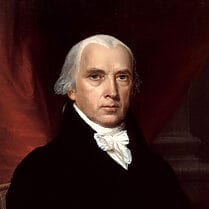
[11:35] Kim Monson: And chose this from James Madison because he's noted as the father of the Constitution.
[11:42] Kim Monson: He was an American statesman, diplomat, and founding father.
[11:46] Producer Steve: The real Sweet Baby James.
[11:48] Producer Steve: The original.
[11:54] Kim Monson: And this is why we have the Second Amendment.
[11:57] Kim Monson: He said, disarm the people, and that is the best and most effective way to enslave them.
[12:03] Kim Monson: So when we look at all of these conversations by the radical activist Democrats about gun violence and gun control, realize the only people they're really trying to disarm is everyday law- abiding citizens.
[12:20] Kim Monson: Andthat is why it is so important that we protect all of our Bill of Rights.
[12:28] Kim Monson: The second amendment, which is the right for us to bear arms, and so let's go to break.
[12:34] Kim Monson: When we come back we will be talking with dr james lions weiler about some of these very important things happening in the health care arena.
[12:42] Karen Levine: The metro home ownership real estate market is very tight right now.
[12:50] Karen Levine: That's why kim Monson recommends you have seasoned RE- MAX realtor KarenLevine on your side of the table.
[12:55] Karen Levine: Karen Levine will help you navigate through the many details of your home buying experience so that you can successfully pursue your American dream.
[13:02] Karen Levine: Because Karen Levine cares about property rights for each individual, she volunteers hundreds of hours to represent home ownership opportunities at the local, county, state, and national levels.
[13:15] Karen Levine: If you are considering buying or selling your home, call Karen Levine today at 303- 877- 7516.
[13:26] Sponsor Disclaimer: AllofKim's sponsors are an inclusive partnership with Kim and are not affiliated with or in partnership with KLZ or Crawford Broadcasting.
[13:37] Sponsor Disclaimer: If you would like to support the work of the Kim Monson Show and grow your business, contact Kim at her website, KimMonson.
[13:43] Sponsor Disclaimer: com.
[13:43] Sponsor Disclaimer: That's KimMonson,M- O- N- S-O-N.
[13:48] Sponsor Disclaimer: com.
[13:49] Franktown Firearms: Withtheprofessional training from Franktown Firearms, everyone can improve.
[13:54] Franktown Firearms: The experts at Franktown meet you at your current level of experience, gauging your confidence and ability, so they can recommend exactly what's right for you.
[14:02] Franktown Firearms: After you purchase your first or tenth firearm, Franktown will always encourage you to train.
[14:10] Franktown Firearms: They maintain a comfortable atmosphere, offering lessons for improvement with one- on- one classesandprivate training, or even group classes, guiding you along your journey from beginner to expert.
[14:18] Franktown Firearms: They even offer a concealed carry certification class.
[14:21] Franktown Firearms: Franktown Firearms doesn't play by the corporate model.
[14:26] Franktown Firearms: As a family- owned, operated, andfamily- friendly business, theygive everyone the time they deserve.
[14:31] Franktown Firearms: They emphasize the importance of training in a comfortable and inclusive environment.
[14:35] Franktown Firearms: Franktown Firearms wants you to be as invested in improving your skills as they are in training with you.
[14:42] Franktown Firearms: Sign up for any of their group or personalized courses today at klzradio.
[14:47] Franktown Firearms: com forward slashFranktown.
[14:50] Franktown Firearms: Franktown Firearms, where friends are made.
[14:53] Franktown Firearms: And welcome back to the Kim Monson Show.
[15:02] Kim Monson: Signupfor our weekly newsletter there.
[15:03] Kim Monson: And you can email me at Kim at KimMonson.
[15:07] Kim Monson: Thank you to all of you who support us.
[15:08] Kim Monson: We are indeed an independent voice.
[15:11] Kim Monson: We search for truth and clarity by looking at these issues through the lens of freedom versus force, force versus freedom.
[15:17] Kim Monson: And someone that is on the forefront at looking at these issues of freedom versus force, force versus freedom is Dr.
[15:29] Kim Monson: And you can find him, many of his writings, Popular Rationalism at Substack.
[15:31] Kim Monson: But he is doing something really amazing.
[15:36] Kim Monson: He is the founder of IPAC, which is the Institute for Pure and Applied Knowledge.
[15:41] Kim Monson: But he is creating a whole educational system that is very affordable, but it is with experts throughout the country.
[15:49] Kim Monson: And it's remarkable, and I'm actually signed up for the course that is on Wednesdays.
[15:57] Kim Monson: Mark McDonald, who we had on recently, who's a child psychiatrist in Los Angeles, and he's written a couple of very important books.
[16:05] Kim Monson: The latest one is Freedom from Fear.
[16:08] Kim Monson: James Linesweiler, it is great to have you on the show.
[16:11] Multiple Guests: It's great to talk to you again, Kim, and thanks for having me on.
[16:15] Multiple Guests: How's that course going for you?
[16:18] Multiple Guests: I love it.
[16:19] Kim Monson: It started last week, but you have designed this for busy people, and I'm a busy person and so tonight I'm not going to be able to attend my course.
[16:28] Kim Monson: Mountain Timeeach Wednesday for 12 weeks.
[16:30] Kim Monson: And the title is How Not to Be Fooled.
[16:41] Kim Monson: But because you know that we are busy people and the total cost is- I think it's 180, which is unbelievable that we can have access to these experts at such an affordable price.
[16:52] Kim Monson: But I'm not going to be able to make it.
[16:54] Kim Monson: So you're going I, so everything is on video and so I will be able to go back and see the course um later this week when I have time to do that, which I think is just great Dr.
[17:05] Multiple Guests: Thank you.
[17:06] Multiple Guests: Thank you.
[17:07] Multiple Guests: Yeah, that mixed format of having the live course for people who can make it allows them to attend and see the live Q&A before and after each lecture.
[17:17] Multiple Guests: And then, you know, being able to access the video anytime afterwards.
[17:21] Multiple Guests: Yeah.
[17:22] Multiple Guests: And the price is right for everyone to be able to afford this.
[17:27] Multiple Guests: We actually have, you know, monthly payment plans of about$ 45 each per month if you can't afford it, a one-time payment of$ 180.
[17:35] Multiple Guests: But Mark McDonald is one of these voices.
[17:39] Multiple Guests: He's a psychiatrist, and he came out pretty early in COVID and said, listen, you're being saturated with propaganda, and so many people fell for it, and so many people now have COVID-19 vaccine regret.
[17:53] Multiple Guests: They have lockdown regret.
[17:54] Multiple Guests: And his goal is the same as my goal, which is let's educate the public.
[18:00] Multiple Guests: to a ridiculous extent so that they know more about biology.
[18:04] Multiple Guests: They know more about vaccine math.
[18:07] Multiple Guests: They know more about epidemiology and genetics and about psychiatry and psychological issues, so that they can't have the wool pulled over their eyes anymore.
[18:19] Multiple Guests: And so I'm glad you're taking it.
[18:21] Multiple Guests: He's really reassuring to listen to, right?
[18:23] Multiple Guests: Here's somebody who knows what the problems are.
[18:26] Multiple Guests: He puts his finger on the problem and here's how to not be fooled by someone.
[18:30] Multiple Guests: It's a good course even if it's not about, you know, the government disinformation campaigns and misinformation campaigns.
[18:36] Multiple Guests: It's a good course for anybody that wants to never be gaslit by an abusive person.
[18:43] Multiple Guests: Maybe you have a boss who's, you know, uber manipulative.
[18:47] Multiple Guests: And you can take the principles and practices of a healthy psychological approach towards dealing with these issues.
[18:55] Multiple Guests: And, yeah, I'm really looking forward to all of those lectures myself.
[18:59] Multiple Guests: So, yeah, IPEC EDU is my brainchild during the height of COVID.
[19:05] Multiple Guests: It was summer of 2022, I guess.
[19:09] Multiple Guests: Yeah, I was on a boat in a lake in Michigan, and I just had this epiphany that the answer really is to, so that the oligarchs and the people who are the technocrats, and they get on TV or they get on video, or they put out websites, and there's misinformation and bad information.
[19:26] Multiple Guests: Okay, fine, I guess we're just going to have to educate the entire public so that they can know and recognize truth from non-truth, something that makes sense scientifically, logically, and so that they can enjoy in the discussion, in public discourse, knowing that they're standing on a firm basis of knowledge.
[19:48] Multiple Guests: You know, I've been doing biomedical research for 20 years and And during that period of time, one of the greatest challenges for people that do biomedical research is translating the results and translating the science for the public.
[20:04] Multiple Guests: So one of our most popular courses is how to read and interpret a scientific study.
[20:08] Multiple Guests: So breaking down the barriers between science and the public.
[20:11] Multiple Guests: In the United States, the public pays for all the money that the NIH uses and disperses to the universities.
[20:17] Multiple Guests: It pays for all the, through their taxes, all the money that the CDC uses and abuses.
[20:24] Multiple Guests: I can hardly say that anything that CDC is doing, especially around public health, is science-based.
[20:31] Multiple Guests: But, you know, this is kind of my life's mission now.
[20:35] Multiple Guests: And we have 26 instructors and, you know, 45 courses.
[20:40] Multiple Guests: They're not all online yet, but they're coming.
[20:42] Multiple Guests: I had 107 students sign up for my immunology course.
[20:47] Multiple Guests: These are people who never in their life would think that they would understand immunology to the degree that I've been able to teach them in 18 lectures.
[20:54] Multiple Guests: I have a course in environmental toxicology because if they're not going to take out the mercury and aluminum from all the vaccines so that we stop being poisoned by vaccines, that, you know, we don't also have to deal with the synergistic toxicity, the interactions between the metals and the vaccines and other toxins in our lives.
[21:13] Multiple Guests: and we also have Jen Kozak.
[21:17] Multiple Guests: She's a holistic wellness expert who deals with kids, with autism and people with family members and adults, and just everyday people that have mental issues associated with things like just quirks in their diet.
[21:35] Multiple Guests: They have food intolerance.
[21:36] Multiple Guests: She has integrative wellness that's running right now.
[21:39] Multiple Guests: So we're going all out to make sure the public has, you said, access to experts.
[21:49] Multiple Guests: But, you know, oftentimes you can go someplace and you can go watch a video, and it's a passive experience.
[21:55] Multiple Guests: Here, you get to see the other people in the class in real time.
[22:00] Multiple Guests: This is so that people who are spending their time alone, maybe they are overtasked, they have to take care of an aging parent, and they have grandchildren and they're stressed out.
[22:11] Multiple Guests: Give yourself an hour.
[22:12] Multiple Guests: Better yourself an hour a week, and it's remarkable.
[22:18] Multiple Guests: We have the best students, the best questions.
[22:21] Multiple Guests: Last night we had an expert on the microbiome in my microbiome course.
[22:25] Multiple Guests: Tell us how the bacteria in our guts actually produce neurotransmitters like serotonin, and that you have to have a well-balanced microbiome for you to have positive mood.
[22:36] Multiple Guests: and how to do that.
[22:38] Multiple Guests: So, you know, we're going to do this for the next, I don't know, 10, 15, 20, 50 years.
[22:46] Multiple Guests: We want to educate the public in a way that they would never be able to get it in a four-year degree in college, because their lives just don't lend that kind of opportunity to them.
[22:58] Multiple Guests: And so that's what IPEC EDU is all about, Kim.
[23:00] Kim Monson: Well, one thing I just wanted to ask is, will Biden be paying for a student loan for me to sign up my$ 180 for the course?
[23:13] Multiple Guests: If you want that kind of dependency on the government for your well-being, maybe.
[23:19] Multiple Guests: I mean, listen, eventually we'll be having people underwrite scholarship programs.
[23:24] Multiple Guests: programs if you want to get involved and you want to underwrite a scholarship program.
[23:31] Multiple Guests: I have two families who've lost children to vaccines.
[23:34] Multiple Guests: The vaccine killed their children, and they've given me permission to name scholarships after their loved ones.
[23:42] Multiple Guests: So we do do some development, and if you're interested in helping to underwrite that, Just email us at info at ipak-edu.
[23:50] Multiple Guests: org.
[23:53] Multiple Guests: Because, you know, isn't that wonderful?
[23:55] Multiple Guests: We have some of these horrific events that have happened in people's lives.
[23:58] Multiple Guests: They've lost their children.
[24:01] Multiple Guests: They've survived their children after trying to give them a vaccine and do something good.
[24:04] Multiple Guests: And now we can empower, we'll be able to empower people who can't afford even$ 180 just, you know, for an 18-week course or 15-week course.
[24:14] Multiple Guests: So yeah, my dreams are coming true.
[24:18] Multiple Guests: The instructors are being responsive, the student population is being responsive, and I'm making a whole new set of good friends like you, Kim.
[24:29] Kim Monson: I'm out with people every night this week.
[24:32] Kim Monson: I was up in Fort Collins on Monday night and there was a pediatric dentist that she was asking about the course that I'm taking with Dr.
[24:44] Kim Monson: And I think she said, oh, I want to sign up for that.
[24:50] Kim Monson: It's even not too late as we get further into this because people will have the video availability.
[24:56] Kim Monson: Jack, please stay on the line with me because the show comes to you.
[24:59] Kim Monson: You are a sponsor of the show and so many contributors.
[25:04] Kim Monson: But a sponsor that has been with me for a long time and sponsors both the Kim Monson Show and America's Veterans Stories, and is a friend is Lorne Levy.
[25:14] Kim Monson: He is an expert in the mortgage arena.
[25:19] Kim Monson: His company is Polygon Financial Group, and he works with many different lenders out there, and he really is helping people better their lives.
[25:26] Kim Monson: And so it's great to have him on the line.
[25:31] Kim Monson: Lorne Levy, I think you're so smart.
[25:40] Kim Monson: Boy, yesterday the stock market took a hit because inflation numbers were more than expected.
[25:48] Kim Monson: And, of course, the Fed is telegraphing that they're going to cool down these inflation numbers, cool down the economy with higher interest rates, which will play out in the mortgage arena.
[26:00] Kim Monson: So what are you seeing out there, Lorne Levy?
[26:06] Lorne Levy: Just as I was picking up my phone this morning to call in, saw a headline that said mortgage rates top 6%for the first time since 2008.
[26:13] Lorne Levy: And that depends on where those folks get their data.
[26:16] Lorne Levy: But, you know, as I tell you each week that we keep our eye on the 10- yearU.
[26:21] Lorne Levy: Treasury, that got into the 340s yesterday.
[26:24] Lorne Levy: And there's a number at 348 that if it breaches 348, that's the next resistance level that things could start to move higher fairly quickly.
[26:33] Lorne Levy: You know, I know you mentioned that as the administration was celebrating the Inflation Reduction Act right in front of us, inflation was spiking.
[26:41] Lorne Levy: And, you know, while they're doing that and rates were moving higher.
[26:44] Lorne Levy: So, again, as we always say, there's still a little window of opportunity here where our equity is as high as it's ever been.
[26:51] Lorne Levy: Because home values are still high.
[26:53] Lorne Levy: where people need to be looking at doing things to get them in place before rates move even higher, like a reverse mortgage or a fixed rate second mortgage on their home.
[27:04] Lorne Levy: Things like that are still out there and available.
[27:06] Lorne Levy: HELOCs, home equity lines of credit, are getting more expensive.
[27:10] Lorne Levy: They're going to go up again next week because now we know the Fed's going to raise by at least three- quarters,if not a full point, which will increase the rates on home equity lines of credit by an equal amount as soon as they do that.
[27:23] Kim Monson: Well, and all this is government- inducedinflation.
[27:25] Kim Monson: People need to understand that, I think, because it is public policy.
[27:30] Kim Monson: It is the policy of the radical activists that have taken over the Democrat Party that is causing this.
[27:38] Kim Monson: And so people need to understand that.
[27:40] Kim Monson: And I think about senior citizens that are on fixed incomes.
[27:47] Kim Monson: These inflation numbers really hurt them.
[27:50] Kim Monson: And that's why this opportunity for a reverse mortgage, as you mentioned, with all this equity in people's homes, would be– and they can take out a reverse mortgage.
[28:00] Kim Monson: They don't have to use it all, do they, Lauren?
[28:05] Lorne Levy: No, if you've got a reverse, they can– as long as they're over 62, they can take out a reverse.
[28:09] Lorne Levy: They can use the reverse to pay off their current mortgage if they have one, just to alleviate that pain point of a payment for them.
[28:15] Lorne Levy: But if there's equity remaining beyond that, they can take a line of credit that can just sit there and be open and available to them down the road.
[28:23] Lorne Levy: If they have things that happen, you know, while they're in a pinch, you know they have home repairs or something that happens to them where they need some additional funds, whatever that may be.
[28:32] Lorne Levy: The money's sitting there oftentimes.
[28:34] Lorne Levy: So it's a good opportunity to take a look at.
[28:37] Lorne Levy: I'm not saying that it'll work or be right for everybody, but it's something to be educated on and take a look at it.
[28:42] Lorne Levy: While equity is as high as it is, should home prices start to come down at all?
[28:52] Kim Monson: How can people reach you, Lorne Levy?
[29:01] Kim Monson: Andjusthave a conversation to see how you can make sure that you're putting yourself in a situation more of a protective situation, as we're seeing the play out of these terrible Democrat policies.
[29:20] Kim Monson: You and Karen Levine will be in studio next week.
[29:25] Kim Monson: He is a specialist in the mortgage arena, and that's 303- 880- 8881.
[29:38] Kim Monson: And be sure and check out IPAC- EDU.
[29:42] Kim Monson: org fortheseamazing courses on just a variety of things.
[29:47] Kim Monson: And I am taking one that is on Wednesdays.
[29:49] Kim Monson: And it is How Not to be Fooled by Dr.
[29:56] Lorne Levy: Inflation is rocking our boats, especially for individuals on fixed incomes.
[30:00] Lorne Levy: If you are 62 years or older, mortgage specialist with Polygon Financial Group, Lorne Levy, can help you navigate this inflation squeeze with a reverse mortgage.
[30:10] Lorne Levy: Additionally, if you are considering buying a new home, refinancing your existing home, or consolidating high interest debt, it's not too late to lock in an interest rate before interest rates increase again.
[30:21] Lorne Levy: Kim Monson recommends you call Lorne Levy today at 303- 880- 8881 forano- cost consultation.
[30:30] Lorne Levy: That'sLorne Levy at 303- 880- 8881.
[31:01] Roots Medical: Medical,gettingto the root of your health care concerns.
[31:03] Producer Steve: No matter how you define it, inflation is out of control.
[31:09] Producer Steve: Increasing prices at the gas pump and grocery stores are hurting everyday people.
[31:13] Producer Steve: All these challenges we face are preventable.
[31:19] Producer Steve: Individuals must understand what is going on and who is responsible.
[31:21] Producer Steve: That is why Kim Monson is bringing truth and clarity to the issues facing our families, our communities, our state, and our country.
[31:30] Producer Steve: Now more than ever, it's important to support Kim's independent voice.
[31:34] Producer Steve: She has the courage to research and inform you about the real issues.
[31:38] Producer Steve: It's not easy, and Kim could use your help.
[31:41] Producer Steve: Go to kimMonson.
[31:42] Producer Steve: com to contribute.
[31:42] Producer Steve: Again, help Kim by contributing at kimMonson.
[31:45] Producer Steve: com.
[31:46] Producer Steve: That's M-O- N- S-O-Ndotcom.
[31:50] Producer Steve: And welcome back to the Kim Monson Show.
[32:01] Kim Monson: Signupfor our weekly newsletter there.
[32:02] Kim Monson: You can email me at Kim at KimMonson.
[32:05] Kim Monson: And thank you to all of you who support us.
[32:08] Kim Monson: We search for truth and clarity by looking at these issues through the lens of freedom versus force, force versus freedom.
[32:13] Kim Monson: If something's a good idea, you shouldn't have to force people to do it.
[32:18] Kim Monson: And I feel that we are just bombarded with all this information and it's so difficult to understand it, and that is why what Dr.
[32:31] Kim Monson: James Linesweiler is doing with IPAC- EDU.
[32:34] Kim Monson: org withinformingus, offering these courses so that we can start to kind of weed our way through all of this chaos is so important.
[32:47] Kim Monson: James Linesweiler, this is just so great at ipac- edu.
[32:53] Kim Monson: And, again, the one I'm taking is on Wednesdays.
[32:59] Kim Monson: And it's not too late for people to register, right, Dr.
[33:03] Multiple Guests: Registration is open until October 1st.
[33:06] Multiple Guests: We're going to keep it open until the end of the month.
[33:09] Multiple Guests: So there is a closing window.
[33:11] Multiple Guests: We have a couple of weeks here where people can make their decision.
[33:14] Multiple Guests: but also check out all the courses that are there and we we follow we we follow
[33:20] Multiple Guests: traditional university college semester schedule.
[33:24] Multiple Guests: So we have the fall semester starting in September.
[33:27] Multiple Guests: The spring semester starts in January, and then we actually do summer courses as well.
[33:32] Multiple Guests: It's so important given all these issues that we see at the state level, at the local level, and at the national level, that people get their brain on.
[33:40] Multiple Guests: You have to be prepared for the next sham that's coming your way.
[33:44] Multiple Guests: There are billions of dollars at stake and millions of lives at stake.
[33:48] Multiple Guests: And, you know, people have a duty to participate in their own society and their own governance.
[33:55] Multiple Guests: And if you're going to come at the public with manipulations based on technology, manipulations based on knowledge, then, you know, what better position can you be in if you educate yourself?
[34:07] Kim Monson: Well, so that moves us to the first subject that we really wanted to talk about.
[34:11] Kim Monson: And that is regarding a recent study with some very disturbing information on randomized clinical trials regarding COVID-19.
[34:25] Multiple Guests: So COVID-19, you know, people might want to see this to go away.
[34:30] Multiple Guests: You know, this is an issue we're trying to get back to normal and treat it like it's just a regular risk that we have to accept.
[34:37] Multiple Guests: That's the latest messaging, like falling down the stairs or influenza.
[34:42] Multiple Guests: You know, they're ready now to give us this messaging that it's time for us to kind of move on from the pandemic mindset.
[34:51] Multiple Guests: They've published the seeds.
[34:56] Multiple Guests: And I say they, I mean, the CDC has published some disturbing, very disturbing facts recently.
[35:01] Multiple Guests: when the COVID-19 vaccines were studied, they actually did not calculate the efficacy of the vaccines correctly.
[35:14] Multiple Guests: When we heard that the COVID-19 vaccine against the Wuhan strain was 95%effective against Wuhan, the variants they're calling them, they actually had to, Moderna and Pfizer had to manipulate the math because if they had not manipulated the math, then we would all have been told that the vaccine efficacy in the trial, which is how well it prevented COVID- 19cases or produced antibodies, then it only would have been 75%.
[35:53] Multiple Guests: Now, what's the difference between 95% and75%?
[35:57] Multiple Guests: They leftout everybody in the trial that got COVID before they got to their second shot, because it's a two- dose series.
[36:05] Multiple Guests: Ipublished this right away when that happened.
[36:07] Multiple Guests: It was very early on in the vaccination endeavor.
[36:10] Multiple Guests: I published it on Robert F.
[36:14] Multiple Guests: Kennedy's Children's Health Defense online magazine, The Defender.
[36:19] Multiple Guests: But then they haven't done randomized clinical trials for the boosters.
[36:27] Multiple Guests: Right.
[36:27] Multiple Guests: They looked at whether boosters are likely to induce antibodies, but they haven't done randomized clinical trials.
[36:33] Multiple Guests: So the data have to come from real world data.
[36:36] Multiple Guests: And when the data come from real world data, we're looking at not vaccine efficacy, but something called vaccine effectiveness.
[36:42] Multiple Guests: In September 7, 2022, Medscape.
[36:45] Multiple Guests: com, aka WebMD,actually published a report about a CDC report that entitled CDC says 44% of people hospitalizedwith COVID had a third dose or booster.
[37:03] Multiple Guests: 44% of people hospitalized.
[37:06] Multiple Guests: Now,the general public might not know, is that the right number?
[37:12] Multiple Guests: Is it too few?
[37:14] Multiple Guests: Is it too many?
[37:14] Multiple Guests: In actuality, it's a big problem because the expected percentage of the number of people that will be hospitalized, if the real world effectiveness of the vaccine was zero, is 36%.
[37:31] Multiple Guests: That is, if the booster has absolutely no positive effects on reducing COVID- 19 vaccines or the severityof the illness, then the percentage of people hospitalized with COVID should be 36%.
[37:48] Multiple Guests: And CDC is telling us it's 44%.
[37:51] Multiple Guests: So that means that you are more likely to be hospitalized if you've had the COVID booster than if you're vaccinated and had the COVID booster than if you're vaccinated and haven't.
[38:01] Multiple Guests: Now, this was based on a report that was published by the CDC August 26, 2022.
[38:08] Multiple Guests: That is absolutely unbelievable.
[38:10] Kim Monson: Why on earth, then, would people, I mean, why would they even be pushing the booster?
[38:21] Kim Monson: And is the booster just another shot?
[38:25] Kim Monson: But they call it what, you know, the two- shot program and then thebooster.
[38:31] Kim Monson: I mean, is it just like getting another jab?
[38:35] Multiple Guests: You know, I really don't know, because the CDC completely bungled the rollout of the vaccine program.
[38:43] Multiple Guests: With respect to the definition of vaccinated, you're not vaccinated until two weeks after your second shot if you get Pfizer or Moderna.
[38:51] Multiple Guests: But if you got the J& J, you're vaccinated if youget a single shot.
[38:54] Multiple Guests: And then since people, since lives are dynamic and there's complexities in the world, they didn't tell people if you're on the Moderna series or Pfizer series, stay on it.
[39:04] Multiple Guests: Then you can change to J& J.
[39:06] Multiple Guests: So it's all overthe place.
[39:08] Multiple Guests: As long as you get a third jab, they call it a booster.
[39:11] Multiple Guests: And there's been insufficient studies.
[39:15] Multiple Guests: They never did a clinical trial, as I mentioned, on the boosters.
[39:18] Multiple Guests: But the real world data, we've seen this before with the vaccination program, with Barnstable County data coming out of Massachusetts.
[39:25] Multiple Guests: It was early, it was July 2021.
[39:32] Multiple Guests: We saw negative effectiveness there as well.
[39:33] Multiple Guests: We saw that you were more likely to have a COVID- 19 diagnosis if you're vaccinatedin Barnstable County.
[39:43] Multiple Guests: And we saw the same data out of Israel using their data prior to that.
[39:47] Multiple Guests: So this isn't the first time that we've seen this.
[39:51] Multiple Guests: And the only way that they can make the vaccine look better is if they adjust for variables that they say they need to adjust for.
[39:57] Multiple Guests: But they've never proven that those adjustments for the data are actually functionally related.
[40:03] Multiple Guests: And those adjustments don't reflect real world situations.
[40:06] Multiple Guests: When you try to vaccinate the entire population, if they successfully vaccinated 100% of the data, sorry, 100%of the people, why would youadjust for anything other than vaccine uptake?
[40:18] Multiple Guests: There's no other variable to be concerned with.
[40:19] Multiple Guests: So this is kind of crazy.
[40:20] Multiple Guests: It also mirrors something else that was published in 2022 here in the JAMA Network Journal.
[40:26] Multiple Guests: This is an open access journal.
[40:29] Multiple Guests: The rate of SARS- CoV- 2 reinfection during an Omicron waveinIceland.
[40:36] Multiple Guests: It turns out that the protection of prior infection against reinfection with Omicron was only 56%, compared to 92% with the Delta variant.
[40:47] Multiple Guests: The Delta variant isnow extinct.
[40:50] Multiple Guests: But they defined reinfection as a positive PCR test for SARS- CoV- 2: 60 or more days from a previouspositivetest.
[41:02] Multiple Guests: And it turned out shockingly that, and the author said, surprisingly, two or more doses of the vaccine was associated with a higher probability of a reinfection compared to one dose or less.
[41:16] Multiple Guests: Now, this might make people's head hurt, and it certainly should, because isn't the opposite what we're looking for?
[41:23] Multiple Guests: Aren't you supposed to get two vaccines rather than two doses of the vaccine rather than one dose, to reduce the probability of reinfection later on?
[41:32] Multiple Guests: Well, you've heard me talk about this here before, Kim.
[41:39] Multiple Guests: I've told your followers and listeners about antibody dependence enhancement, where the antibodies to the wrong variant will cause interference and will actually help the new variants enter your cells.
[41:52] Multiple Guests: So you know, people contact me all the time.
[41:55] Multiple Guests: I get so many emails.
[41:58] Multiple Guests: I'm vaccinated.
[41:58] Multiple Guests: What should I do?
[41:59] Multiple Guests: I don't know what to do and the first thing I say is I'm not your medical doctor.
[42:03] Multiple Guests: I can't give you medical advice.
[42:04] Multiple Guests: But go, do your own research and find the doctors that are saying that quercetin blocks the virus.
[42:10] Multiple Guests: Quercetin and zinc blocks the virus that was zev zelenko.
[42:12] Multiple Guests: He's a p- pass from lung cancer last year.
[42:16] Multiple Guests: Go look atand ask your doctor about ivermectin, which blocks the viral entry into the cell.
[42:20] Multiple Guests: We know the mechanism- and ask your doctor about to look at the science, the actual science on hydroxychloroquine, not just the science, the studies that CDC wants you to look at.
[42:33] Multiple Guests: All of that knowledge that people knew last year about COVID- 19 is hopefully still relevant.
[42:39] Multiple Guests: It's not as thoughwe have any data that show that the The virus has evolved away from being a virus that uses the same cellular entry port, the same proteins to get in there.
[42:56] Multiple Guests: In fact, Dr.
[42:57] Multiple Guests: Jacques Fontini from France showed quite clearly the antibody dependent enhancement would have started happening if the vaccine was present, even with the gamma virus.
[43:08] Multiple Guests: We're at Omicron.
[43:09] Multiple Guests: So when Delta was introduced, sorry, when Delta came, evolved and the vaccine was introduced to Europe, Dr.
[43:28] Multiple Guests: Jacques Fontini says that that's what pushed the Delta wave.
[43:35] Multiple Guests: So another crazy point that I can't wrap my head around is: the FDA has this recommendation guidance requirement for the booster shots.
[43:29] Multiple Guests: I'm sorry, not for the booster shots, but for the updated vaccines.
[43:37] Multiple Guests: Part of the promise of COVID- 19 vaccines was with the mRNA vaccines, we're goingto be able to update them and keep on top of the new variants.
[43:48] Multiple Guests: Well, we haven't seen any updates to the vaccine and people started complaining about that, knowing about antibody dependence enhancement and pathogenic priming.
[43:55] Multiple Guests: And so fda said: listen to you know, to pfizer and materna, you're going to have to update these when you update them fda, for no apparent reason.
[44:05] Multiple Guests: That makes any logical sense.
[44:09] Multiple Guests: It's going to require them not only to target the most recent variant of Omicron, but also Wuhan 1, the original variant which is extinct in the United States.
[44:19] Multiple Guests: It's extinct in China.
[44:20] Multiple Guests: It's extinct around the world.
[44:21] Multiple Guests: The only reason that I can imagine that they would, there's two reasons.
[44:26] Multiple Guests: I've put a lot of thought into this.
[44:29] Multiple Guests: One reason is, well, they would have to go back to regulatory square one unless they have the original virus in there, right?
[44:35] Multiple Guests: Number two, it can enhance, it can cause disease enhancement so they'll have more cases.
[44:42] Multiple Guests: Now, I don't know if that latter possibility is true, but what I'm saying is, if they are intentionally causing cases of COVID because they know the negative efficacy, they know that you're more likely to get COVID or be hospitalized with COVID, then there's a serious, serious problem that has to be addressed at the administration level.
[45:02] Multiple Guests: Right now, we can't wait for an election.
[45:03] Multiple Guests: We can't have these new vaccines come on board if they're going to enhance the likelihood that somebody's going to get COVID, if they happen to be vaccinated or if they're boosting.
[45:13] Multiple Guests: And so remember that you are entitled to informed consent.
[45:16] Multiple Guests: Your doctor, if you go to vaccinate, has to tell you about the things I'm telling you about.
[45:24] Multiple Guests: They have to tell you the current knowledge about the vaccine science.
[45:26] Multiple Guests: You're entitled to that informed consent.
[45:31] Multiple Guests: They should not, if they're a professional, the professional standard and the standard of care is that they should not get mad at you.
[45:37] Multiple Guests: They should not throw you out of their practice.
[45:39] Multiple Guests: They should be able to discuss these things with you.
[45:41] Multiple Guests: And if they can't talk with you about the vaccine, the risks of the vaccines, the potential benefits of the vaccines and the alternatives.
[45:49] Multiple Guests: This is very important.
[45:51] Multiple Guests: The alternative medical care for COVID, the alternative practices that the frontline doctors are using, Dr.
[45:59] Multiple Guests: Pierre Corey and so many other people are using, then they are denying you informed consent under the Code of Federal Regulations of the United States of America.
[46:11] Multiple Guests: It's a federal right that won the population, won these rights to inform consent through lawsuits in 1905 to 1914.
[46:18] Multiple Guests: Wow.
[46:18] Multiple Guests: So these are basic rights that we have and you're entitled to them.
[46:24] Multiple Guests: So don't take any forced vaccine.
[46:27] Multiple Guests: Okay.
[46:27] Multiple Guests: Hey, Dr.
[46:27] Multiple Guests: Jack, we need to go to break.
[46:32] Kim Monson: Before we do that, though, just a couple of things.
[46:35] Kim Monson: Wanted to mention the USMC Memorial Foundation.
[46:37] Kim Monson: They're raising money to remodel the Marine Memorial out at 6th and Colfax, and you can help them by going to usmcmemorialfoundation.
[46:53] Kim Monson: Main event is onSaturday, and I have the great honor to emcee that event.
[47:00] Kim Monson: But go to GrandLakeUSConstitutionWeek.
[47:03] Kim Monson: We will betalking with the president and volunteer president of the Grand Lake U.
[47:08] Kim Monson: Constitution Week in the second hour.
[47:16] 3 Points Financial: 3 Points Financial is a fiduciary financial planning company focused on helping individuals and families.
[47:20] 3 Points Financial: Mary Alpers and Steve Kruse at 3 Points Financial specialize in investment strategies, tax planning and preparation, and retirement planning with no product sales or commissions.
[47:33] 3 Points Financial: Tax laws have changed and will continue to change.
[47:36] 3 Points Financial: Inflation is real.
[47:40] 3 Points Financial: 3 Points Financial helps you maneuver through these changes to achieve your financial success.
[47:44] 3 Points Financial: For clarity and a solid, relevant financial and investment plan while working with a company that puts your interests at the forefront, schedule a no- obligation initial consultation at 3pointsfinancial.
[47:53] 3 Points Financial: com.
[47:54] 3 Points Financial: That's 3pointsfinancial.
[47:54] 3 Points Financial: com.
[47:56] 3 Points Financial: Are you concerned about thecurriculum taught ingovernment- run schools?
[48:05] CHEC: Are you concerned about CRT and sexualindoctrination worldview agendas taught to your children in government- run schools?
[48:12] CHEC: Are you concerned that your children arenot receiving a quality education in the government- run public schools?
[48:17] CHEC: Have you considered homeschooling but don'tknow where to start?
[48:21] CHEC: Christian Home Educators of Colorado, or CHECK, has answers.
[48:24] CHEC: You can homeschool.
[48:26] CHEC: Go to check.
[48:27] CHEC: org slash start.
[48:30] CHEC: Kim Monson highly recommends Christian HomeEducators of Colorado.
[48:35] CHEC: Reclaim your child's education by going to chec.
[48:38] CHEC: org slash start today.
[48:40] CHEC: You'd like to get intouch with one of the sponsors of The Kim Monson Show, but you can't remember their phone contact or website information.
[48:50] Producer Steve: Find a full list of advertising partners on Kim's website, kimMonson.
[48:54] Producer Steve: com.
[48:54] Producer Steve: That's Kim, M- O- N- S- O- Ndot com.
[48:59] Producer Steve: And welcomebacktoTheKimMonson Show.
[49:03] Producer Steve: I'm Kim Monson.
[49:06] Kim Monson: And be sure and check out our website.
[49:07] Kim Monson: That's KimMonson, M- O- N- S- O- N.
[49:09] Kim Monson: Sign up forourweeklynewsletterthere,andyou can email me at Kim at KimMonson.
[49:14] Kim Monson: And thank you to all ofyou who support us.
[49:17] Kim Monson: We search for truth and clarity by looking at these issues through the lens of freedom versus force, force versus freedom.
[49:22] Kim Monson: If something's a good idea, then you shouldn't have to force people to do it.
[49:27] Kim Monson: Jack, and he is, you can find his essays at Popular Rationalism at Substack.
[49:32] Kim Monson: and would highly recommend that you join me in the course that he is offering through ipac- edu.
[49:45] Kim Monson: We only have about four minutes left, Dr.
[49:49] Kim Monson: But something remarkable happened out here in Colorado, and we had three counties, Tri- County Health, Colorado, and we had three counties, Tri-County Health,
[50:00] Kim Monson: It was a health department that was very, very heavy handed through this whole COVID experience, if you will.
[50:10] Kim Monson: And so what happened is my county, Douglas County, and hats off to the Douglas County commissioners, they voted to get out of Tri-County Health.
[50:19] Kim Monson: And when they did that, Adams County, which was now they were down to two county health, and they decided to get out.
[50:25] Kim Monson: So Arapahoe County is like, well, we don't want to be here by ourselves.
[50:29] Kim Monson: So Tri-County became Zero County because they have filed with the courts that they're going to dissolve.
[50:38] Kim Monson: Now, this has taken time, but, boy, I find that very encouraging.
[50:43] Kim Monson: So we've got just about four minutes.
[50:47] Multiple Guests: Okay, so we have bad information coming at the local level all across the United States through these agencies, through these committees.
[51:01] Multiple Guests: I would say this is par for the course.
[51:03] Multiple Guests: We saw this before COVID.
[51:04] Multiple Guests: When the information coming to you is not reliable because that's the party line, the real-world information and science and studies conflicts with that, we're supposed to update the policy.
[51:19] Multiple Guests: And my thoughts are the same thoughts that I have every single time.
[51:24] Multiple Guests: Public health should never be political.
[51:26] Multiple Guests: Your medical care should never be political.
[51:30] Multiple Guests: If a politician is telling you that they have the solution for your medical care, they're asking you to empower them with decisions over your very life.
[51:42] Multiple Guests: And I would encourage everyone to work with me and others who are attempting to change medicine back to, believe it or not, not for profit.
[51:58] Multiple Guests: In the 1980s, it was considered distasteful and perhaps illegal for hospitals to turn a profit.
[52:07] Multiple Guests: They couldn't even turn a profit from their parking.
[52:09] Multiple Guests: Right, and then in the mid-1980s it all changed with for-profit medicine, and now we have the government that's underwriting and bailing out for-profit medicine.
[52:19] Multiple Guests: It's grown to the point where it's oversized, and I'm sorry if you work in a hospital.
[52:25] Multiple Guests: I'm sorry if you're a nurse and your life depends on it.
[52:28] Multiple Guests: Your life is important too, but big medicine takes up over one out of every five of our national budget.
[52:36] Multiple Guests: We don't have enough productivity in our country.
[52:39] Multiple Guests: Now, remember, the number three cause of death are medical errors.
[52:45] Multiple Guests: Why is the CDC not super focused on the epidemic of medical errors, deadly medical errors?
[52:52] Multiple Guests: The focus is on underwriting the companies, working with the companies to make sure they're profitable, not making sure that the medical care that you're given is absolutely the best in the world and that you have an alternative, a list of alternative choices that you can make yourself through the process of informed consent.
[53:11] Multiple Guests: So don't rely on public health for medical options.
[53:15] Multiple Guests: They're not medical doctors.
[53:16] Multiple Guests: What they are are people that should be relaying to you what the science says about certain medical practices and infectious disease.
[53:24] Multiple Guests: They shouldn't be telling you anything about your medical care, that you should have those conversations directly with your own physician or team of physicians.
[53:34] Multiple Guests: That's my thought.
[53:35] Multiple Guests: It's a big, big problem.
[53:37] Multiple Guests: It's just a symptom of this big problem.
[53:39] Kim Monson: Well, it's become a hospital-industrial complex.
[53:42] Kim Monson: When I drive around the metro area and see these huge facilities, I realize that we've really moved away from the doctor-patient relationship.
[53:54] Kim Monson: When you say that these big hospitals should move away and go back to nonprofits there, you're not saying that we don't pay our nurses and our doctors.
[54:04] Kim Monson: We pay them for doing their job well and let the free market, I think, work that out.
[54:13] Kim Monson: It goes way too quickly, and I learned so much.
[54:15] Kim Monson: But, again, what is that website for people to sign up for your courses?
[54:22] Kim Monson: They're very affordable, and they are the top-of-the-line experts.
[54:26] Multiple Guests: Oh, it's ipa-edu.
[54:28] Multiple Guests: org, ipac-edu.
[54:31] Multiple Guests: org.
[54:32] Multiple Guests: And if you want to support the research that we do, you can join us with a small monthly donation at IPAC, the Not-for-Profit Research Foundation, which is ipanowledge.
[54:43] Multiple Guests: org.
[54:44] Multiple Guests: Thank you, Kim.
[54:45] Multiple Guests: It's been a pleasure spending this time with you.
[54:51] Multiple Guests: I can't wait until we can see public policy change in favor of allowing good doctors and nurses to do their job.
[55:01] Kim Monson: Jack, we'll talk to you again next month.
[55:03] Multiple Guests: I'm looking forward to it.
[55:05] Multiple Guests: Thank you.
[55:05] Multiple Guests: Okay.
[55:06] Kim Monson: And since it is Constitution Week, our quote for the end of the show is James Madison.
[55:12] Kim Monson: He said, we are free today substantially, but the day will come when our republic will be an impossibility.
[55:16] Kim Monson: It will be an impossibility because wealth will be concentrated in the hands of a few.
[55:21] Kim Monson: A republic cannot stand upon bayonets.
[55:24] Kim Monson: And when the day comes when the wealth of the nation will be in the hands of a few, then we must rely upon the wisdom of the best elements in the country to readjust the laws of the nation to the changed conditions.
[55:41] Kim Monson: Communicate and listen well, live honestly and authentically.
[55:42] Kim Monson: Strive for high ideals and, like superman stanford, truth, justice and the american way.
[55:48] Kim Monson: God bless you and god bless america.
[55:52] Kim Monson: It's the kim Monson show analyzing the most important story: socialization of transportation, education, energy, housing and water.
[56:09] Kim Monson: What it means is that government controls it through rules and regulations.
[56:13] Announcer: The latest in politics and world affairs.
[56:15] Kim Monson: Under the guise of bipartisanship and non-partisanship, it's actually tapped down the truth.
[56:22] Announcer: Today's current opinions and ideas.
[56:23] Kim Monson: On an equal field in the battle of ideas, mistruths or misconceptions, and it is getting us into a world of hurt.
[56:32] Announcer: Is it freedom or is it force?
[56:34] Announcer: Let's have a conversation.
[56:37] Kim Monson: Indeed, let's have a conversation and welcome to the Kim Monson Show.
[56:47] Kim Monson: Sign up for our weekly newsletter there and you can email me at Kim at KimMonson.
[56:50] Kim Monson: And thank you to all of you who support us.
[56:53] Kim Monson: We search for truth and clarity by looking at these issues through the lens of freedom versus force, force versus freedom.
[56:59] Kim Monson: If something's a good idea, you shouldn't have to force people to do it.
[57:02] Kim Monson: And thank you to all of you for listening.
[57:04] Kim Monson: You're each treasured, you're valued, you have purpose.
[57:08] Kim Monson: Take care of your heart, your soul, your mind, and your body.
[57:10] Kim Monson: My friends, you were made for this moment, and thank you to this team that I get to work with.
[57:14] Kim Monson: That's Producer Steve, Zach, Patty, Keith, Charlie, Jen, Echo, and all the people here at Crawford Broadcasting.
[57:22] Kim Monson: Happy Wednesday to you, Producer Steve.
[57:24] Producer Steve: Yeah, wonderful Wednesday.
[57:29] Producer Steve: It's hump day, but we didn't hear from you-know-who, so it is hump day.
[57:31] Kim Monson: Well, in the first segment we did, or the first hour we did, but not this second hour.
[57:36] Kim Monson: and the way this works is we're on from 6 to 8 a.
[57:41] Kim Monson: The first hour is rebroadcast 1 to 2 in the afternoon.
[57:44] Kim Monson: The second hour 10 to 11 at night and this is on all KLZ platforms.
[57:53] Kim Monson: You can listen via the website or also via the app.
[57:57] Kim Monson: It is Constitution Week up in Grand Lake, Colorado and I can't wait to get up there.
[58:03] Kim Monson: I have the great honor to emcee the main event.
[58:05] Kim Monson: And my gosh, what they have planned on Saturday is fabulous.
[58:09] Kim Monson: And we'll talk with Mark Auvil, who is the president of the Grand Lake U.
[58:13] Kim Monson: Constitution Week, here in the last segment.
[58:16] Kim Monson: So today we're not going to do call-ins because we've got everything so jam-packed.
[58:21] Kim Monson: And I wanted to hear from Mark today about how things are going and what's coming up.
[58:25] Kim Monson: So we'll do that in the last segment and talk with Trent Loos in segments two and three.
[58:30] Kim Monson: and he is an expert regarding these issues facing rural America.
[58:37] Kim Monson: And remember, rural America feeds America and feeds the world.
[58:41] Kim Monson: And so when we've got these pundits and politicians and bureaucrats and interested parties telegraphing that we're going to have food shortages and we look at the policies out there, well, it doesn't take a rocket scientist to figure out if you're trying to limit food production, you're going to have food shortages.
[59:00] Kim Monson: And so we're going to talk with him about that.
[59:03] Kim Monson: But because it's Constitution Week, we're doing a lot of quotes this week from James Madison, who is the father of the Constitution.
[59:10] Kim Monson: And he was the fourth president of the United States.
[59:13] Kim Monson: And he is hailed as the father of the Constitution for his pivotal role in drafting and promoting the Constitution of the United States.
[59:27] Kim Monson: And this is why we have the Second Amendment.
[59:32] Kim Monson: He said: disarm the people, and that is the best and most effective way to enslave them.
[59:37] Kim Monson: So when there are those steve out there in this crt, the critical race theory curriculum, or whatever the they call it, and they talk about slavery and how bad it is, but yet the radical activists that are behind crt are also trying to to disarm everyday people, no matter what their descriptor is.
[60:04] Kim Monson: As Madison said, disarm the people, and that is the best and most effective way to enslave them.
[60:09] Kim Monson: So does that mean, Steve, the people that are so concerned about slavery years and years ago are actually trying to put in policies that will enslave the American people and the people of the world again?
[60:22] Kim Monson: I mean, it's quite a question, isn't it?
[60:24] Producer Steve: Well, we call you the master dot connector, and I think you got one going there.
[60:30] Kim Monson: So when you have Beto O'Rourke,any of these radical activist politicians out there, out there talking about gun control, this is ultimately where we could be headed.
[60:45] Kim Monson: Because the bad guys, the only thing that stops a bad guy with a gun, Well, not the only thing, but primarily the main thing that stops a bad guy with a gun is a good guy with a gun.
[60:55] Kim Monson: And the fact that through public policy, these PBIs are trying to disarm the good guy with the gun, you just have to realize that that makes all of the good guys vulnerable and enslaved to the bad guys.
[61:13] Producer Steve: Well, in this business, we have what we call the art of the segue.
[61:16] Producer Steve: I wonder, now work with me here, could we make a strange little kind of awkward segue?
[61:22] Producer Steve: What would the founder of MyPillow, what's his name?
[61:29] Producer Steve: Mike Lindell.
[61:30] Producer Steve: What would he say about this particular quote based on what happened to him recently?
[61:34] Producer Steve: We're not talking about a firearm per se, but when you hear what the government's up to, you wonder.
[61:40] Kim Monson: Well, but the people that did it, so this is, and this is so interesting, the headline.
[61:45] Kim Monson: So somebody texted me this last night that the FBI served Mike Lindell for a subpoena for the contents of his phone.
[61:56] Kim Monson: Now, I'm looking over here at CNN Politics, and what I find interesting is they have not done the research to find out whether or not that's really true.
[62:07] Kim Monson: Pillow salesman and Trump ally Mike Lindell says FBI served him with subpoena for contents of his phone.
[62:15] Kim Monson: In this day and age, do you not think that reporters could actually source it instead of making it look like it's an alleged thing to actually find out if it really happened?
[62:32] Kim Monson: So I find that headline just in that somewhat interesting.
[62:37] Producer Steve: Well, I haven't actually lit on that story.
[62:40] Producer Steve: I've just been hearing little references to it like we just heard at the top of the hour.
[62:44] Producer Steve: But they actually, I guess, cornered him or surrounded him in a fast food restaurant to get his phone.
[62:50] Producer Steve: Right.
[62:51] Kim Monson: And they very probably also had firearms.
[62:55] Kim Monson: Doesn't the FBI normally carry firearms?
[62:59] Kim Monson: So here you've got a government with firearms coming in to subpoena a cell phone, if you can believe it.
[63:11] Kim Monson: And this CNN politics thing, this is why this is such a problem.
[63:17] Kim Monson: My friends, if we don't have free, fair, transparent, and honest elections, we don't have a country.
[63:28] Kim Monson: Mike Lindell, CEO of MyPillow and prominent backer of former President Donald Trump's false voter fraud claims.
[63:38] Kim Monson: There has been no court yet that has said that they are false.
[63:45] Kim Monson: So here you have CNN, which is supposed to be a news organization, putting out their opinion that it's false.
[63:56] Kim Monson: And then they say that Lindell said Tuesday the FBI served him with a grand jury subpoena for the contents of his phone as part of an investigation in a Colorado election security breach.
[64:07] Kim Monson: So when we talk about Colorado being at the tip of the spear for all this, Colorado truly is.
[64:14] Kim Monson: And so, again, this is quite disturbing that the FBI is out there taking private citizens' phones when we look down at the southern border and we have people pouring across the southern border.
[64:43] Kim Monson: that there are people that are coming across that border that want to hurt us, and then there's also people that are coming across the border that are hurting us economically because they're taking money out of hardworking, everyday Americans' pockets and funding public programs to support these people.
[64:49] Kim Monson: So we're being hurt economically, and then I think there are people that are coming across the border that actually want to hurt us.
[64:56] Kim Monson: And, of course, now these border governors are sending many of these migrants to sanctuary cities.
[65:05] Kim Monson: And the hypocrisy of, what is it, Chicago mayor, D.
[65:12] Kim Monson: That would be Lori Lightfoot, Muriel Bowser in Washington, D.
[65:19] Kim Monson: They're not happy about these migrants coming to their quote- unquotesanctuary city, Steve.
[65:25] Producer Steve: The first flag they raised was the fact that it was overwhelming their homeless infrastructure, whatever they had set up and going on in that particular city.
[65:38] Producer Steve: They were overwhelmed.
[65:39] Producer Steve: And now they've gone on to more blunt tactics, like going after Abbott and Ducey, the governors of Texas and Arizona, with flat- out,in- your-faceinsults and questioning their faith.
[65:54] Producer Steve: And it's just a mess.
[65:55] Producer Steve: Right.
[65:57] Kim Monson: And so they actually want to have a border around their city, but they don't want to have a border down at the southern border of the United States.
[66:05] Producer Steve: And that, okay, I'm glad you mentioned that.
[66:08] Producer Steve: Specifically, there was a councilwoman on the city council of Washington, D.
[66:13] Producer Steve: C.,who basically pointed her finger at those two governors and said, you just made us a border town.
[66:18] Producer Steve: Like, we are above that.
[66:20] Producer Steve: Yes.
[66:22] Kim Monson: So important subjects, and we're going to be talking with very important subjects with Trent Loos.
[66:35] Kim Monson: He's Luce, a whole bunch of different things.
[66:34] Kim Monson: Luce Lips, I think, is where he is at Substack.
[66:41] Kim Monson: Anyway, when we get him on, he'll tell us exactly how you can find all the stuff that he's doing.
[66:45] Kim Monson: So we will be right back with Trent Loos.
[66:49] 3 Points Financial: Three Points Financial is a fiduciary financial planning company focused on helping individuals and families.
[66:56] 3 Points Financial: Mary Alpers and Steve Kruse at Three Points Financial specialize in investment strategies, tax planning and preparation, and retirement planning with no product sales or commissions.
[67:07] 3 Points Financial: Tax laws have changed and will continue to change.
[67:11] 3 Points Financial: Inflation is real.
[67:12] 3 Points Financial: Three Points Financial helps you maneuver through these changes to achieve your financial success.
[67:17] 3 Points Financial: For clarity and a solid, relevant financial and investment plan while working with a company that puts your interests at the forefront, schedule a no-obligation initial consultation at threepointsfinancial.
[67:29] 3 Points Financial: com.
[67:31] 3 Points Financial: That's threepointsfinancial.
[67:33] 3 Points Financial: com.
[67:33] Sponsor Disclaimer: All of Kim's sponsors are an inclusive partnership with Kim and are not affiliated with or in partnership with KLZ or Crawford Broadcasting.
[67:42] Sponsor Disclaimer: If you would like to support the work of the Kim Monson Show and grow your business, contact Kim at her website, kimMonson.
[67:48] Sponsor Disclaimer: com.
[67:49] Sponsor Disclaimer: That's kimMonson, M-O-N-S-O-N, dot com.
[67:53] Franktown Firearms: With the professional training from Franktown Firearms, everyone can improve.
[67:58] Franktown Firearms: The experts at Franktown meet you at your current level of experience, gauging your confidence and ability so they can recommend exactly what's right for you.
[68:07] Franktown Firearms: After you purchase your first or tenth firearm, Franktown will always encourage you to train.
[68:12] Franktown Firearms: They maintain a comfortable atmosphere, offering lessons for improvement with one-on-one classes and private training or even group classes, guiding you along your journey from beginner to expert.
[68:24] Franktown Firearms: They even offer a concealed carry certification class.
[68:27] Franktown Firearms: Franktown Firearms doesn't play by the corporate model.
[68:30] Franktown Firearms: As a family-owned, operated, and family-friendly business, they give everyone the time they deserve.
[68:36] Franktown Firearms: They emphasize the importance of training in a comfortable and inclusive environment.
[68:40] Franktown Firearms: Franktown Firearms wants you to be as invested in improving your skills as they are in training with you.
[68:47] Franktown Firearms: Sign up for any of their group or personalized courses today at klzradio.
[68:52] Franktown Firearms: com forward slash Franktown.
[68:54] Franktown Firearms: Franktown Firearms, where friends are made.
[68:59] Kim Monson: And welcome back to the Kim Monson Show.
[69:06] Kim Monson: Sign up for our weekly newsletter there.
[69:08] Kim Monson: And you can email me at Kim at KimMonson.
[69:11] Kim Monson: I thank all of you for supporting us.
[69:14] Kim Monson: We search for truth and clarity by looking at these issues through the lens of freedom versus force, force versus freedom.
[69:20] Kim Monson: If something's a good idea, you shouldn't have to force people to do it.
[69:23] Kim Monson: And there's all kinds of bad ideas out there right now, because we are seeing all kinds of force and coercion and manipulation.
[69:32] Kim Monson: And it is going to affect our food source.
[69:37] Kim Monson: And the American farmer, rural America, has been feeding America and the world because they're very efficient, they're very effective, and there is a real assault upon agriculture.
[69:49] Kim Monson: And that's why these conversations with Trent Loos is so important.
[69:52] Kim Monson: He's a sixth-generation United States farmer with a passion for agriculture that started years ago because he got his first pig when he was five years old.
[70:01] Kim Monson: So, Trent Loos, welcome to the show.
[70:04] Multiple Guests: Hi, Kim.
[70:04] Multiple Guests: It's a pleasure to be back.
[70:06] Kim Monson: It's great to have you, and you are so busy.
[70:09] Kim Monson: How best can people find you to get all the information?
[70:23] Kim Monson: What's the best way for people to follow you and get information regarding all the things that you're doing?
[70:27] Multiple Guests: I have no idea, Kim.
[70:30] Multiple Guests: You know, Substack, I'm getting better at Substack and putting stuff there.
[70:37] Multiple Guests: Loosetales Media, and that, as you said, T-A-L-E-S, media.
[70:41] Multiple Guests: com, loosetalesmedia.
[70:43] Multiple Guests: com.
[70:43] Multiple Guests: But the other place where there's just a tremendous amount of information is trappedontheloose.
[70:48] Multiple Guests: beck.
[70:49] Multiple Guests: news, B-E-K.
[70:50] Multiple Guests: news.
[70:52] Multiple Guests: So I don't have it all concentrated in one spot.
[70:56] Multiple Guests: It's easier for me to avoid some censorship.
[70:59] Multiple Guests: No, that's a good idea.
[71:01] Multiple Guests: You'll find more than you need, probably.
[71:05] Multiple Guests: That's Loose, L-O-O-S.
[71:08] Multiple Guests: Very good.
[71:11] Kim Monson: First thing, I saw this and I thought this was super interesting that you had debated Wayne Zong.
[71:21] Kim Monson: And he is one of the co-founders of Direct Action Everywhere, which is probably an NGO, a non-governmental organization.
[71:32] Kim Monson: But you debated him in Salt Lake City at the Veggie Fest.
[71:38] Multiple Guests: Well, I'll first tell you about when Wayne and I first came in contact with one another.
[71:44] Multiple Guests: For those that may not know, Wayne prides himself on being the extreme when it comes to animal rights activists.
[71:50] Multiple Guests: In fact, he's got a trial starting October 3rd in Utah for illegally entering a farm and stealing pigs.
[71:58] Multiple Guests: He's got 17 felony arrests against him right now for doing that type of thing.
[72:03] Multiple Guests: And he prides himself on doing it in the open every time he illegally, criminally enters a farm.
[72:08] Multiple Guests: He does it on Facebook Live, so it's not like he can defend himself that he wasn't there.
[72:13] Multiple Guests: He is doing it in the name of rescuing animals.
[72:16] Multiple Guests: And the first time I even come in contact with Direct Action Everywhere, I was in Sonoma County, California, and I heard that there was just an animal rights break-in at a neighboring egg-laying facility, a chicken farm, which just happened to be five miles down the road from where I was at.
[72:36] Multiple Guests: I was there, interestingly enough, filming the movie that I was in called The Stand of Paxton County, which, by the way, Kim, ironically, was about animal rights activists working at taking animals from owners.
[72:49] Multiple Guests: So I had to go to this chicken farm.
[72:52] Multiple Guests: So the day after the animal rights groups were there, I went to the chicken farm and I did a broadcast with a guy, a neighbor.
[73:00] Multiple Guests: It wasn't the guy that owned the farm.
[73:01] Multiple Guests: It was a neighbor who was witness to all of this, and he was the one that was in the middle of all of this.
[73:05] Multiple Guests: And I put that out on the web, and his group, Wayne's group, had found my conversation and the fact that I was there.
[73:13] Multiple Guests: So he contacted me, and two times in the past three years, we've had similar conversations, sliced debates on Facebook Live about the importance of animals for human consumption and improving the planet.
[73:29] Multiple Guests: And then he called me about two months ago and he said, Trent, I've never met anybody who I disagree with, but yet we have more respectful conversations than you.
[73:40] Multiple Guests: I've been invited to do several programs at the Salt Lake City Veggie Fest, and they proposed that they could have as many as 5,000 people there.
[73:48] Multiple Guests: and I don't want to let you know, I don't want you to think this is going to be a friendly environment, but I would invite you to come and take part in a discussion, a debate, so to speak, about do we need to take the life of animals anymore?
[74:00] Multiple Guests: And I really started in this entire endeavor 22 years ago, Kim, by going to animal rights conventions because I wanted to learn what takes a person to the point of thinking that the animal is not going to improve the planet, that the animal is not going to improve human health.
[74:17] Multiple Guests: And so that's where I cut my IP, so to speak.
[74:20] Multiple Guests: So in many regards, it was kind of like coming home for me, going back to one of these conventions where it's me and 2,000 people who don't like me.
[74:29] Multiple Guests: I like those odds.
[74:30] Multiple Guests: That's tremendous for me.
[74:33] Multiple Guests: And I engaged with several people.
[74:35] Multiple Guests: I did some interviews on the street, so to speak, that were on my TV show yesterday, Trent on the Loose.
[74:41] Multiple Guests: And part of the discussion that I had with Wayne today is on that broadcast as well.
[74:47] Multiple Guests: which is at Beck.
[74:47] Multiple Guests: News.
[74:49] Multiple Guests: But it's all about interacting and having a respectful discussion with people you don't agree with.
[74:54] Multiple Guests: And when we got done, there was 12 people that wanted to have further discussions.
[75:00] Multiple Guests: And that's where I learned so much about what makes these people tick and how they get misinformation.
[75:06] Multiple Guests: I mean, I had a conversation that I recorded and aired with a lady who told me that humans were not designed by their digestive system to eat meat.
[75:18] Multiple Guests: And she explained that this is what she told me.
[75:20] Multiple Guests: If we were supposed to eat meat, our intestines would be a straight line, not a bunch of curves.
[75:30] Multiple Guests: Yeah, exactly.
[75:31] Multiple Guests: What?
[75:34] Multiple Guests: And everything that had gone into forming her opinion is a blatant lie.
[75:41] Multiple Guests: And so I take it upon myself to say: we can't allow these people to make these decisions based upon false information.
[75:48] Multiple Guests: If you have a reason, I don't believe that everybody should eat meat, milk, and eggs.
[75:53] Multiple Guests: I think that you should have the right to choose to do that.
[75:56] Multiple Guests: But if you've made that decision based upon lies and infactual information from people like Raina Song, who are wonderful at presenting a selective portrayal of the truth, then we need to have a discussion.
[76:07] Multiple Guests: And that's what led to the moment where I was in Salt Lake City on Saturday, which there's another little problematic part of this.
[76:14] Multiple Guests: I learned that the Salt Lake City, not the chamber, but the city council had donated this entire street in front of Liberty Park and the library auditorium to this movement.
[76:27] Multiple Guests: And I got to thinking.
[76:28] Multiple Guests: If I were to want to host a festival celebrating men and husbands and dads and have a man day and take back the rainbow and celebrate what a man is supposed to be in the eyes of God, would they donate that street and that auditorium to me?
[76:45] Kim Monson: And so, in essence, all the taxpayers of Salt Lake City donated that because they were taxed.
[76:52] Kim Monson: And then the city council made the decision to give this for free.
[76:56] Kim Monson: So there's a problem with that over there.
[77:00] Kim Monson: But I want to talk a little bit about beef.
[77:03] Kim Monson: As far as a protein source, these radical activists, Davos globalists, elites, and I saw this, gosh, I saw this eight years ago when I started to become involved, where you started to see news stories about the benefits of eating bugs.
[77:21] Kim Monson: And I thought, well, I guess if you want to eat bugs, to your point, if you want to eat bugs, that should be your choice.
[77:26] Kim Monson: But we see this assault on our livestock industry through public policy trying to take away our choice on whether or not we can eat meat.
[77:38] Kim Monson: And, of course, you and I have talked about Jared Polis and his meat-out day, which resulted in, I think he should have received the, you know, Supporter of the Year for the rural Colorado on that one because people went out and they said, we're going to have meat in days, and it was pretty fabulous.
[77:56] Kim Monson: But so he pulled back, but that doesn't mean, he pulled back on that day, but that doesn't mean that they're pulling back on the big policies.
[78:05] Kim Monson: You see this come back around many different ways, but the protein in meat really helps people have the energy to be strong and to live their lives.
[78:17] Kim Monson: And so I see this as an assault on just kind of the everyday person, as a food source to be able to have the energy to do what they need to do and want to do.
[78:30] Multiple Guests: Beef is the most nutrient-dense food substance on the planet.
[78:36] Multiple Guests: And beef comes from the fact that cattle with a stomach that contains four chambers to a stomach consume cellulose material, something that you and I and other humans cannot consume, and upcycle that protein into the most nutrient-dense feed substance on the planet.
[78:53] Multiple Guests: By the way, I want to remind you, like I reminded Wayne, 74%of the Earth's surface is not able to produce a crop that will feed a person, but a ruminant animal can take that and then convert it into, i.
[79:06] Multiple Guests: e.,beef.
[79:07] Multiple Guests: There are many different protein sources.
[79:09] Multiple Guests: We could talk about lamb or goat or whatever the case may be.
[79:11] Multiple Guests: We'll talk about beef at this moment.
[79:12] Multiple Guests: Beef is off the charts in terms of available vitamin B12, niacin, lysine, choline.
[79:22] Multiple Guests: Choline is vital for improving brain health, and this is one of the reasons why people who do not consume animal products struggle from a cognition standpoint is because choline feeds the brain.
[79:35] Multiple Guests: That's all documented.
[79:39] Multiple Guests: But the one that I want to focus on is nucleic acid, because beef is the best source of nucleic acid.
[79:43] Multiple Guests: And while people may not be quite familiar with nucleic acid, there are two components of nucleic acid.
[79:49] Multiple Guests: The two most prevalent in the human body are RNA and DNA.
[79:54] Multiple Guests: And then, Kim, my little old brain, which is well- fedwith choline thanks to bacon, eggs, and beef every day, I started thinking about this.
[80:04] Multiple Guests: What exactly does nucleic acid do?
[80:07] Multiple Guests: Nucleic acid, according to the National Academies of Science and Engineering in Medicine, is the number one component in improving a stronger immune system, improving digestion, and a quicker muscle recovery.
[80:23] Multiple Guests: Now, let's go back to this for a moment.
[80:27] Multiple Guests: We've been demonizing beef.
[80:28] Multiple Guests: I agree with you 100%, and your Governor Polis should be a Beefbacker Award recipient, but his intent is not positive.
[80:36] Multiple Guests: His intent is malice.
[80:37] Multiple Guests: How long have we been demonizing beef?
[80:41] Multiple Guests: We can talk about milk, meat, and eggs across the board, but we'll talk about beef because it's the one that gets the most demonization.
[80:48] Multiple Guests: If, in fact, we had introduced to our body an mRNA vaccine, which isn't a vaccine at all.
[80:57] Multiple Guests: It's a gene therapy.
[80:58] Multiple Guests: It's a jab.
[80:59] Multiple Guests: It's something that's very harmful.
[81:01] Multiple Guests: At the same time that we have been told to reduce our consumption of nutritional components which feed our immune system, And one of those nutritional components that feeds our immune system also has a tie to the production of RNA.
[81:16] Multiple Guests: I'm posing this as a question because I have no data to verify, but it makes perfect sense to me that somebody knew the very way to support the immune system to protect yourself against a jab, which did have malice intent, is to demonize the very food groups that improve what it is going to destroy.
[81:41] Kim Monson: And so we'll leave that out there for people to ponder.
[81:47] Kim Monson: When we come back, we'll continue the conversation with Trent Loos.
[81:51] Kim Monson: And he said one of the best places to find everything is at B- E-Kdot news.
[81:58] Kim Monson: But before we go to break, I just wanted to mention the U.
[82:02] Kim Monson: They are raising money to remodel the Marine Memorial.
[82:06] Kim Monson: Well, Paula Sarlls, she is tireless in her work on this.
[82:10] Kim Monson: She is a Vietnam- eraMarine veteran, also a Gold Star wife.
[82:14] Kim Monson: And you can help her and her team by going to usmcmemorialfoundation.
[82:24] Kim Monson: You could buy a brick to honor your military service or loved ones, and they're going to have these bricks that will be these different walkways there.
[82:31] Kim Monson: So, again, that's usmcmemorialfoundation.
[82:34] Kim Monson: We will be right back with Trent Loos.
[82:36] Roots Medical: Hey everybody, Roots Medical here with an exciting update about the practice.
[82:41] Roots Medical: In addition to specialties in hormones, thyroid, and gut health, Roots Medical is thrilled to now offer pediatrics.
[82:46] Roots Medical: Scheduling is easy and the appointments are comprehensive, genuine, and focused on your child.
[82:52] Roots Medical: Take control of your child's health care by scheduling at Roots Medical.
[82:56] Roots Medical: For more information, visit RootsMedical.
[82:57] Roots Medical: net.
[82:58] Roots Medical: That's R- O-O-T-SMedical dot net.
[83:01] Roots Medical: Roots Medical, getting to the root of your health care concerns.
[83:04] Karen Levine: The Metro home ownership real estate market is very tight right now.
[83:08] Karen Levine: That's why Kim Monson recommends you have seasoned RE- MAXREALTOR® Karen Levine on your side of the table.
[83:14] Karen Levine: Karen Levine will help you navigate through the many details details
[83:20] Karen Levine: of your home buying experience so that you can successfully pursue your American dream.
[83:25] Karen Levine: Because Karen Levine cares about property rights for each individual, she volunteers hundreds of hours to represent home ownership opportunities at the local, county, state, and national levels.
[83:37] Karen Levine: If you are considering buying or selling your home, call Karen Levine today at 303-877-7516.
[83:52] Producer Steve: You'd like to get in touch with one of the sponsors of The Kim Monson Show, but you can't remember their phone contact or website information.
[83:59] Producer Steve: Find a full list of advertising partners on Kim's website, kimMonson.
[84:03] Producer Steve: com.
[84:05] Producer Steve: That's Kim, M-O-N-S-O-N dot com.
[84:09] Kim Monson: And welcome back to The Kim Monson Show.
[84:16] Kim Monson: Sign up for our weekly newsletter there, and you can email me at Kim at KimMonson.
[84:22] Kim Monson: On the line with me is Trent Loos, and that's L-O-O-S.
[84:26] Kim Monson: And you can find him in multiple different places.
[84:30] Kim Monson: Check out B-E-K dot, let's see, what is it?
[84:37] Kim Monson: Trent Loos, what has been happening with the Dutch farmers is fascinating, And we've seen images of them having their tractors clogging traffic on the freeways because they are protesting this Dutch emissions plan.
[84:54] Kim Monson: And Farmers Daily just reported about six days ago that the Netherlands government has suffered a setback in its bid to impose tough emission targets on the Dutch agricultural sector.
[85:05] Kim Monson: and we've heard stories that Dutch farmers have been told that they have to get rid of up to 30%of their livestock herds, which people are going to go hungry.
[85:19] Kim Monson: So what do you think about all this, Trent Loos?
[85:20] Multiple Guests: Well, I just want to remind you that on January 27, 2021, Biden signed Executive Order 14008, And that executive order is an attempt to accomplish exactly what the Dutch government brought about on the farmers in the Netherlands.
[85:38] Multiple Guests: And that all comes from the World Economic Forum.
[85:40] Multiple Guests: What happens is the farmers in the Netherlands are just the politicians in the Netherlands have been ahead of the curve in what we're doing here in the United States.
[85:51] Multiple Guests: And they are already implementing this 30 by 30 strategy, which, by the way, in that language, it says that 30 percent of the land and water, by 2030 will be returned to its natural state.
[86:03] Multiple Guests: Its natural state means that it is vulnerable to Mother Nature and will cause large fires, or whatever the case may be.
[86:10] Multiple Guests: Kim, the interesting tie that I have to this, and I hope this is where everybody pays attention, whether you're involved in food production or simply just consume food, subsidies are the problem.
[86:23] Multiple Guests: And even in the most recent Inflation Reduction Act, which is what they called it.
[86:30] Multiple Guests: It appears as though it was about creating more inflation, but they call it the Inflation Reduction Act.
[86:34] Multiple Guests: There's$ 369 million that were earmarked again for this project, 30 by 30, with another$ 350 million earmarked in another bill going into what they're calling conservation, because who's opposed to conservation?
[86:49] Multiple Guests: All of this has a tie to the Dutch farmers, because four years ago I participated in a roundtable discussion discussion with a group of farmers from the Netherlands.
[87:02] Multiple Guests: And they were telling me that they were leaders in cutting emissions.
[87:07] Multiple Guests: They were leaders in being conservation- minded,and they were doing all of these things which are above and beyond what you need to do to continue to use animals in the cycle of life, and take the nutrients from the animals, and return them to the soil, and continue what God had planned for us to begin with.
[87:23] Multiple Guests: And finally, at the end of the Today I said, okay, all of this stuff you're talking about doing and how innovative you are, how much of this did you pay for versus the Dutch government paying for?
[87:36] Multiple Guests: Well, we couldn't afford to pay for this.
[87:37] Multiple Guests: We have to have it provided for us.
[87:39] Multiple Guests: And what happens, Kim, is that when they, being any government entity, provides you with something, there's always going to be a call on the other side.
[87:49] Multiple Guests: And right now the call to the Dutch farmer has been, we have kept you in business, We've subsidized everything we wanted you to do.
[87:56] Multiple Guests: You went along with it like compliant little Asians, and we are now going to tell you you're going to get rid of 30% ofyour herd.
[88:04] Multiple Guests: When you take a subsidy, you are completely at the mercy of the people who gave you a subsidy.
[88:10] Multiple Guests: And so that's what's taking place right now in the railroad industry.
[88:14] Multiple Guests: We know that this is going to have the greatest impact on food production or anything we've seen because I got a call from Colorado last night, And they said that on Tuesday, one week from yesterday, Tuesday, there is going to be a strike.
[88:27] Multiple Guests: And these rail cars are hauling coal that produces electricity.
[88:31] Multiple Guests: They're hauling chlorine that keeps your water safe.
[88:35] Multiple Guests: They're hauling components for fuel.
[88:39] Multiple Guests: We will completely shut down the nation and food production and food distribution if, in fact, this rail industry goes on strike.
[88:45] Multiple Guests: And why wouldn't they go on strike?
[88:47] Multiple Guests: Because the Biden administration put together an emergency board that he appointed July the 16th to find a way to fix this strike or to prevent this strike.
[88:57] Multiple Guests: And their idea of preventing the strike was to give the railroad workers 40 percent pay increase, including a 3.
[89:05] Multiple Guests: 5 percentretroactive to 2020 plus thousand dollar bonuses each year.
[89:11] Multiple Guests: I'm also paying people properly for what it is they contribute.
[89:13] Multiple Guests: But at some point, you have to say, this is not affordable.
[89:16] Multiple Guests: You cannot continue to do this.
[89:18] Multiple Guests: So the moral of the story is, the more government intervention that we have at every level, the tougher it's going to be for everyday citizens to make ends meet.
[89:26] Multiple Guests: Okay.
[89:27] Kim Monson: On that, I'm going to just let that out there and let people think about that.
[89:35] Kim Monson: And I typically don't weigh in on Facebook.
[89:37] Kim Monson: but for some reason I felt compelled to do so.
[89:40] Kim Monson: I live in Douglas County, Colorado, and one of the commissioners had posted on Facebook that Douglas County had purchased some land for open space.
[89:52] Kim Monson: And I responded back and I said, is this really the proper role of government to be owning land?
[89:59] Kim Monson: And the commissioner responded back and said, well, you know, we're using the money from the lottery to buy open space.
[90:08] Kim Monson: Over 50% of DouglasCounty is open space at this time.
[90:12] Kim Monson: And I'm thinking, well, do we need to really have more open space?
[90:14] Kim Monson: But then, and he said, and we're paying fair market value.
[90:18] Kim Monson: So we're honoring property rights, which that appears true.
[90:22] Kim Monson: However, I responded back and said, but when you have government that is out there in the market using taxpayers' dollars to buy the land, that makes it more difficult for private individuals to buy it.
[90:36] Kim Monson: And then I connected this dot with the World Economic Forum and the 30 by 30.
[90:41] Kim Monson: We are actually, there's all these different programs that is taking land out of private ownership and putting it into public ownership.
[90:51] Kim Monson: And everybody likes, you know, you like the term open space, but there's going to be a question on the ballot to extend a sales tax for open space and I'm going to be doing a voter's guide and I've got to come out as a no on this because I think 50% of open spaceis enough for Douglas County.
[91:09] Kim Monson: I think people are taxed plenty and we need to be protecting private property rights and it wasn't until just recently that I felt that, oh my gosh, this is part of the World Economic Forum taking land out of production.
[91:22] Kim Monson: What's your thoughts on that, Trent Loos?
[91:24] Multiple Guests: No, I don't need to add to what you said.
[91:27] Multiple Guests: I agree 100%.
[91:27] Multiple Guests: There's no provision in the United States Constitution for government to own land beyond the basics, like post office and army barracks and things like that.
[91:37] Multiple Guests: Of course, we could expand upon that Fort Carson, Finian Canyon expansion and see what they tried to do there, but that's a little bit off topic for the day.
[91:44] Multiple Guests: I agree 100%.
[91:45] Multiple Guests: And, in fact, ironically, bring that up because that's exactly how I closed my program from the Salt Lake City veggie fest yesterday on Trans- Angelooses.
[91:56] Multiple Guests: I went towhat is considered green space, open space, in a suburb, Riverton, Utah, right outside of Salt Lake City.
[92:05] Multiple Guests: And I actually talked to a family that owns this property, and they're getting tremendous pressure to sell it.
[92:10] Multiple Guests: So here we have people talking about open space and green space and all these other things.
[92:15] Multiple Guests: A little alfalfa field sitting in the middle of this community that's going to be consumed by urbanization.
[92:19] Multiple Guests: But at the end of the day, the only way we continue to achieve liberty and freedom is that individuals own property and the individuals have the property right to do what they want to with the land, not to be owned by some government entity.
[92:33] Kim Monson: Well, and so this we will get you scheduled for next next month again, because this is such an important issue.
[92:43] Kim Monson: It's been so, in some ways, subtle, this attack on property rights, and it comes through, as you mentioned, green space, open space, and using taxpayer dollars to do that.
[92:58] Kim Monson: What's the final thought you'd like to leave with our listeners today?
[93:01] Multiple Guests: Final thought is there's one other source of information, Kim, that we did not share with folks that's in line with everything we're talking about today in terms of property rights.
[93:09] Multiple Guests: That's protect the harvest.
[93:10] Multiple Guests: It is harvest season.
[93:12] Multiple Guests: And the folks at Protect the Harvest do a fantastic job of getting the information to individuals to empower them to maintain their property rights.
[93:19] Multiple Guests: Thank you for the opportunity once again.
[93:21] Multiple Guests: Oh, it's always a great conversation.
[93:23] Kim Monson: And that is Trent Loos, and he Protect the Harvest.
[93:37] Kim Monson: Allthe informationis right there at beek.
[93:39] Kim Monson: news, and Trent willbe on later today.
[93:42] Kim Monson: When we come back, our founders recognized all this.
[93:47] Kim Monson: And that's why this vision of the Declaration and our U.
[93:51] Kim Monson: Constitution is sounique throughout all human history.
[93:53] Kim Monson: And the fact that Little Grand Lake, just a beautiful gem in the Rocky Mountains, they're hosting their 11th annual U.
[94:04] Kim Monson: Ihave the great honor to emcee the event on the main event on Saturday, but we're going to talk with Mark Auvill when he comes in.
[94:11] Kim Monson: Or calls in uh regarding um, how it's going up there, and so stay tuned, we'll be right back with mark avil.
[94:17] Lorne Levy: Inflation is rocking our boats, especially for individuals on fixed incomes.
[94:22] Lorne Levy: If you are 62 years or older, mortgage specialist with polygon financial group, Lorne Levy can help you navigate this inflation.
[94:31] Lorne Levy: Additionally, if you are considering buying a new home, refinancing your existing home or consolidating high interest debt, it's not too late to lock in an interest rate before interest rates increase again.
[94:44] Lorne Levy: Kim Monson recommends you call Lorne Levy today at 303- 880- 8881 for ano-cost consultation.
[94:52] Lorne Levy: That's LaurenLevy at 303- 880- 8881.
[94:55] Lorne Levy: Are youconcernedabout the curriculum taught in government- run schools?
[95:01] CHEC: Are youconcerned about CRT and sexual indoctrination worldview agendas taught to your children in government- run schools?
[95:09] CHEC: Are youconcerned that your children are not receiving a quality education in the government- run public schools?
[95:14] CHEC: Haveyou considered homeschooling but don't know where to start?
[95:18] CHEC: Christian Home Educators of Colorado, or CHECK, has answers.
[95:22] CHEC: You can homeschool.
[95:24] CHEC: Go to check.
[95:26] CHEC: org slash start.
[95:28] CHEC: KimMonson highly recommends Christian Home Educators of Colorado.
[95:33] CHEC: Reclaim your child's education by going to chec.
[95:36] CHEC: org slash start today.
[95:38] CHEC: No matter how you define it, inflation is out of control.
[95:46] Producer Steve: Increasing prices at the gas pump and grocery stores are hurting everyday people.
[95:50] Producer Steve: All these challenges we face are preventable.
[95:53] Producer Steve: Individuals must understand what is going on and who is responsible.
[96:01] Producer Steve: That is why Kim Monson is bringing truth and clarity to the issues facing our families, our communities, our state, and our country.
[96:06] Producer Steve: Now more than ever, it's important to support Kim's independent voice.
[96:09] Producer Steve: She has the courage to research and inform you about the real issues.
[96:14] Producer Steve: It's not easy, and Kim could use your help.
[96:17] Producer Steve: Go to kimMonson.
[96:18] Producer Steve: com to contribute.
[96:21] Producer Steve: Again,help Kim by contributing at kimMonson.
[96:22] Producer Steve: com.
[96:22] Producer Steve: That's M- O-N- S- O-Ndotcom.
[96:26] Producer Steve: Andwelcome back to The Kim Monson Show.
[96:36] Kim Monson: Signupforour weekly newsletter there.
[96:37] Kim Monson: And you can email me at Kim at KimMonson.
[96:41] Kim Monson: Thankyou to all of you who support us.
[96:44] Kim Monson: We search for truth and clarity by looking at these issues through the lens of freedom versus force, force versus freedom.
[96:49] Kim Monson: If something's a good idea, you shouldn't have to force people to do it.
[96:54] Kim Monson: Constitution and theDeclaration of Independence are documents that they are radical as you look at it throughout human history.
[97:05] Kim Monson: This vision of the Declaration that all men are created equal with these rights from God of life, liberty, and pursuit of happiness and then the Constitution that was put in place to protect the rights of individuals is so important, so unique, and what Grand Lake is doing, And Grand Lake is just this gem in the Rocky Mountains.
[97:23] Kim Monson: They are hosting their 11th annual U.
[97:28] Kim Monson: MarkAuvil is the president of all the volunteers, and he's on the line.
[97:40] Multiple Guests: Great to have you.
[97:42] Kim Monson: And so you're in it now, have had two days of events, and you have lectures every day at 11 in the morning and 6 in the evening.
[97:57] Multiple Guests: Thank you, Kim.
[97:58] Multiple Guests: Yes, you know, Tom Goodfellow, founder and president of Grand Lake U.
[98:03] Multiple Guests: S.
[98:04] Multiple Guests: Constitution Week for10 years, moved to Lake Havasu.
[98:07] Multiple Guests: He's starting a Constitution Week down there.
[98:10] Multiple Guests: And we've needed to take over and move forward with the 11th annual Grand Lake Constitution Week.
[98:20] Multiple Guests: And so far, it's been a success.
[98:24] Multiple Guests: We have great volunteers and great support.
[98:26] Kim Monson: Well, and the other day you were on just recently and explained the basis of Constitution Day, Constitution Week.
[98:39] Multiple Guests: Most people don't know that Constitution Week is actually a law that in 1955, the Daughters of the American Revolution, DAR, petitioned Congress to set aside September 17th through the 23rd annually for the dedication and observation of Constitution Week.
[99:05] Multiple Guests: And so the Daughters of the American Revolution petitioned Congress, and President Eisenhower on August 2, 1956, actually passed it as a law.
[99:21] Multiple Guests: And it's actually U.
[99:22] Multiple Guests: S.
[99:22] Multiple Guests: Code 36108.
[99:23] Multiple Guests: Andif you don't mind, I'll read part of President Eisenhower's proclamation.
[99:30] Multiple Guests: He says, I urge the people of the United States to observe that week with appropriate ceremonies and activities in their schools and churches and other suitable places.
[99:41] Multiple Guests: I also urge them at that time to give solemn and grateful thought to that eventful week in September 1787 when our Constitution was signed, delivered to the Continental Congress.
[99:58] Multiple Guests: to the Continental Congress.
[100:01] Multiple Guests: And made known to the people of the country, was laying the foundation for the birth of a new nation.
[100:07] Multiple Guests: So Constitution Week is the celebration and education of our founding documents.
[100:15] Multiple Guests: And in Grand Lake, we have been honoring this event now going on our 11th year.
[100:19] Multiple Guests: And it should be celebrated like Mike Tompkins, who is our chairman, he often says it should be celebrated like Independence Day.
[100:33] Kim Monson: Well, and I cannot believe, first of all, how long does it take to get up to Grand Lake?
[100:37] Kim Monson: It's typically, what, about a couple hours to drive up there from the metro area?
[100:44] Multiple Guests: Yeah, it's about two hours from the metro Denver area, so it's not that long of a ride.
[100:47] Kim Monson: So people can, first of all, they can do a day trip, which I think is important.
[100:52] Kim Monson: And next question, because the temperatures have been warm, have the leaves started to turn on the aspen up at Grand Lake yet?
[101:01] Multiple Guests: Yes, they are.
[101:03] Multiple Guests: Not as much as some of the other years because, as you know, it's been a pretty warm late summer into fall.
[101:10] Multiple Guests: But we are getting turning leaves.
[101:12] Multiple Guests: And it's just beautiful up there.
[101:13] Multiple Guests: The weather's been spectacular.
[101:16] Kim Monson: Yes, the weather committee's done a super job on that, Mark Auvil.
[101:22] Kim Monson: So it's going to be a beautiful time up there.
[101:29] Kim Monson: And so every day you have lectures at 11 and 6 and the list of the presenters is just remarkable.
[101:37] Kim Monson: And so what's going to be going on today?
[101:39] Kim Monson: And again it's just two hours up there.
[101:41] Kim Monson: You can do a day trip if you want to, on any of these days.
[101:47] Multiple Guests: So our events today can include a breakfast at 8..
[101:53] Multiple Guests: 30 in the morning, and that's sponsored by Mike Tompkins, our chairman at Rocky's restaurant.
[102:03] Multiple Guests: And what he's done, which he started last year, and it's a great event, is sponsors and volunteers are invited to meet some of our speakers.
[102:16] Multiple Guests: so we can then have a more intimate relationship with talking with them and getting to know them better.
[102:26] Multiple Guests: So that kicks off.
[102:28] Multiple Guests: And then at 11 a.
[102:29] Multiple Guests: m., we have Kelly Johnston, and he's going to be talking about understanding today's U.
[102:38] Multiple Guests: S.
[102:38] Multiple Guests: Constitution.
[102:38] Multiple Guests: And then at 6 p.
[102:41] Multiple Guests: m., we have a local constitutional scholar, Brian Bloomsfeld, and he's going to talk about political parties, primary elections, and the Constitution, history, practice, and reform.
[102:57] Kim Monson: Okay, then tomorrow at 11 o'clockis Captain Charles C.
[103:06] Kim Monson: Navy, and they're going to talk about the Constitution and the Warrior.
[103:09] Kim Monson: So that's going to be really important.
[103:11] Kim Monson: But that trivia contest tomorrow at 3, people can put together teams.
[103:15] Kim Monson: They can actually compete in the trivia contest virtually, and that is always a lot of fun.
[103:21] Kim Monson: So where can people get information about that, Mark Auvil?
[103:24] Multiple Guests: You can go to our website GrandLakeUSConstitutionWeek.
[103:28] Multiple Guests: comand the trivia information is on that website and also on the Facebook page Okay, great And then tomorrow evening, Ambassador Richard H.
[103:41] Kim Monson: Jones on what the Constitution means to a member of the deep state So that will be fascinating And then tomorrow, Jay Bowen at 11 What makes our Constitutional Republic unique in history And then 6 o'clock, myfriend, immigrant from China, Helen Raleigh, will talk about how to protect our republic from becoming a Marxist tyranny like China.
[104:03] Kim Monson: But, my gosh, Mark Auvil, what you have going on on Saturday is amazing.
[104:08] Multiple Guests: Saturday's our big day, Kim, as you know, including yourself as the emcee, which we always appreciate.
[104:17] Multiple Guests: So at 9 a.
[104:18] Multiple Guests: m., there'sa separate event, and it's actually the American Legion Post 88 is going to be dedicating a new Veterans Memorial Park at 9 a.
[104:29] Multiple Guests: m.
[104:30] Multiple Guests: It'sformerly known as the Triangle Park.
[104:33] Multiple Guests: And then after their event at 1030, we have a parade.
[104:39] Multiple Guests: The Grand Lake U.
[104:41] Multiple Guests: S.
[104:41] Multiple Guests: ConstitutionWeek always has a parade on Saturday.
[104:44] Multiple Guests: And at that time also, we're going to have a flyby.
[104:48] Multiple Guests: There's going to be two f- 16s thatare going to buzz grand lake.
[104:52] Multiple Guests: It's always so awesome, wow, I know.
[104:55] Multiple Guests: And then 11: 30, yeah, and then 11: 30 the festivities begin and you'll be our mc for that.
[105:03] Multiple Guests: At 12: 30 we have frank donatelli.
[105:07] Multiple Guests: He's our keynote speaker.
[105:09] Multiple Guests: He's going to be talking about remembering President Reagan's speech on the 200th anniversary of the Constitution.
[105:17] Multiple Guests: And then at 2 p.
[105:20] Multiple Guests: m., wehave Dot Saro Band.
[105:26] Multiple Guests: It's a local band from Denver, nationally known.
[105:27] Multiple Guests: This is their second annual appearance at Grand Lake U.
[105:32] Multiple Guests: S.
[105:32] Multiple Guests: ConstitutionWeek.
[105:33] Multiple Guests: And then in the evening, we're going to have fireworks at 8.
[105:36] Multiple Guests: 30 p.
[105:37] Multiple Guests: m.
[105:38] Multiple Guests: Andthen on Sunday, this is our second annual event on Sunday.
[105:43] Multiple Guests: We've expanded it to a full week now, and we have a worship service with Stillwater Chapel, and actually Stephen Watts of Dot Sarah will be joining them.
[105:56] Multiple Guests: And so Saturday and Sunday are going to be great events.
[106:00] Multiple Guests: The weather is looking good.
[106:02] Multiple Guests: And I just wanted to say that a couple of days ago when we were on your show, we mentioned this is expanding and people are getting networked through your show, Kim.
[106:16] Multiple Guests: I mentioned that Texas is going to have a Constitution Week next year in Wimbertie, Texas.
[106:22] Multiple Guests: I got a text from somebody.
[106:26] Multiple Guests: They said they're moving to Texas.
[106:29] Multiple Guests: They want to be a volunteer.
[106:30] Multiple Guests: I connected them with the gentleman that's starting the Constitution Week next year.
[106:37] Multiple Guests: And so that's growing.
[106:39] Multiple Guests: And so the networking is happening.
[106:45] Multiple Guests: Last night, when Professor Dr.
[106:47] Multiple Guests: Thomas Cranawitter was our speaker after that event, there was a gentleman that walked up to me and he said, I live in Loveland.
[106:58] Multiple Guests: I understand that Mary is in Zen.
[107:00] Multiple Guests: He didn't know who Mary was, but that there's a Blessings of Liberty event that's happening this week, another Constitution Week celebration.
[107:08] Multiple Guests: And he asked me for contact information for the lady who's setting that up, because he wants to also be a part of it.
[107:18] Multiple Guests: So this week through your show, we're having a lot of networking happening and people wanting to get involved with other Constitution Weeks that are happening.
[107:29] Kim Monson: Well, and I had somebody text me yesterday.
[107:34] Kim Monson: He said, I can't be there in Grand Lake this weekend because he was in Missouri.
[107:38] Kim Monson: But he, you know, gave his best to that.
[107:43] Kim Monson: And again, so Mary Zinz in, you can get her information at Eventbrite, Blessings of Liberty.
[107:49] Kim Monson: And we're going to talk with you again, Mark Auvil, to just get an update on how things are going.
[107:56] Kim Monson: I can't remember what we have that on.
[107:57] Kim Monson: But again, that's GrandLakeUSConstitutionWeek.
[108:01] Kim Monson: Ican't wait to see you and Tanya and everybody up there in Grand Lake this weekend, Mark.
[108:10] 3 Points Financial: Okay, and our quote is James Madison.
[108:12] Kim Monson: He said, will live honestly and authentically, strive for high ideals, and like Superman, stand for truth, justice, and the American way.
[108:21] Kim Monson: God bless you, and God bless America.