[00:04] Show Intro Announcer: It's the Kim Monson Show, analyzing the most important stories.
[00:10] Kim Monson: An early childhood taxing district?
[00:14] Show Intro Announcer: The latest in politics and world affairs.
[00:16] Kim Monson: I don't think that we should be passing legislation that is so complicated that people kind of throw up their hands and say, oh, I can't understand it.
[00:24] Show Intro Announcer: Today's current opinions and ideas.
[00:25] Kim Monson: It is not fair that just because you're a big business that you get a break on this and the little guy doesn't.
[00:31] Show Intro Announcer: Is it freedom or is it force?
[00:34] Show Intro Announcer: Let's have a conversation.
[00:38] Kim Monson: And welcome to The Kim Monson Show.
[00:46] Kim Monson: Live with intention and take care of your heart, your soul, your mind, and your body.
[00:51] Kim Monson: Thank you to the team that I get to work with.
[00:53] Kim Monson: That's Producer Steve, Zach, Patty, Keith, Charlie, and all the people here at Crawford Broadcasting.
[00:58] Kim Monson: and happy Friday to you, Producer Steve.
[01:02] Producer Steve: Yes, we waited all week for it, but here it is.
[01:09] Kim Monson: In studio with me is one of my sponsors, a good friend of mine, Karen Levine.
[01:14] Kim Monson: She is an award-winning realtor with Remax Alliance, and you're a sponsor of both of our shows, The Kim Monson Show, as well as America's Veterans Stories.
[01:22] Kim Monson: It's great to have you here, Karen.
[01:27] Kim Monson: I've been thinking a lot about our conversation.
[01:29] Kim Monson: We'll be talking with another colleague of yours that she'll be joining us in the third and fourth segment, Leigh Brown.
[01:40] Kim Monson: But there's a new word that's come to me, and that is the velocity of housing.
[01:44] Kim Monson: There seems to be– I'm not going to– I don't want to say this is a robust market because the supply is so limited.
[01:51] Kim Monson: And because the supply is limited, we don't have the velocity of housing, of young people being able to buy a condo and then moving up to a single family home.
[02:01] Kim Monson: Public policy has really kind of shut that down, Karen.
[02:05] Karen Levine: It has in many ways, and I'm anxious to hear Lee's perspective with regards to supply in other parts of the country, her being North Carolina.
[02:15] Karen Levine: But what we have found, and you and I have chatted about it, is the state of Colorado over a decade ago put into place what was called construction defect legislation, which retracted our supply because it made it difficult for developers and builders to bring a product out of the ground that was affordable due to obtaining insurance to protect themselves.
[02:41] Karen Levine: But what's curious to me is they didn't go to any other marketplace because there is a shortage of that type of housing nationwide.
[02:53] Kim Monson: And so it's going to be a really fascinating conversation.
[02:56] Kim Monson: And when we get to the second segment, you'll give us an update on what is happening here in Colorado.
[03:02] Kim Monson: But I think from a public policy standpoint, and it's taken us a while to figure out what's happened on this.
[03:10] Karen Levine: It's probably been a couple decade transition.
[03:13] Karen Levine: And I think you're going to share a quote that's very prevalent.
[03:19] Kim Monson: I think let's get right over to that.
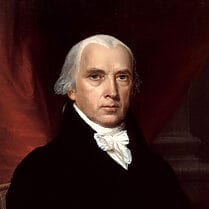
[03:24] Kim Monson: And I didn't know he was a junior, James Madison Jr.
[03:28] Kim Monson: But he was an American statesman, diplomat, expansionist, philosopher, and founding father who served as the fourth president of the United States from 1809 to 1817.
[03:37] Kim Monson: He is hailed as the father of the Constitution for his pivotal role in drafting and promoting the Constitution of the United States.
[03:48] Producer Steve: You knew him in high school, right?
[03:49] Producer Steve: Oh, bada- boom.
[03:54] Kim Monson: You've been waiting for that one, haven't you?
[03:58] Karen Levine: Well, and James Madison, wasn't he prolific in writing much of the...
[04:08] Kim Monson: You know that because of, you know, in Veritas.
[04:10] Karen Levine: You know, we had to get into that a couple years ago.
[04:16] Kim Monson: In a word, as a man is said to have a right in his property, he may be equally said to have a property in his rights.
[04:24] Kim Monson: Where an excess of power prevails, property of no sort is duly respected.
[04:29] Kim Monson: No man is safe in his opinions, his person, his faculties, or his possessions.
[04:35] Kim Monson: where there is an excess of liberty, the effect is the same, though from the opposite cause.
[04:44] Karen Levine: And I would say what's interesting is he said that sometime in the 1800s, and it's very relevant today.
[04:54] Kim Monson: And because when we talk about public policy, public policy really is power.
[04:59] Kim Monson: And I was thinking about this also.
[05:03] Kim Monson: We talk about these issues, search for truth and clarity, freedom versus force, force versus freedom.
[05:11] Kim Monson: If something's a good idea, you should not have to use force to do that.
[05:16] Kim Monson: That's the carrot to get people to vote for it.
[05:19] Kim Monson: Socialism is all about force, and it moves you towards communism.
[05:22] Kim Monson: But I've added a new one in here, and that is it's never compassionate to take other people's rights, their property, their freedom or livelihood via force, whether it's with a weapon, policy, unpredictable and excessive taxation, fear, coercion, or government- induced inflation.
[05:43] Kim Monson: That is also a form of force of taking people's property and their rights.
[05:49] Kim Monson: Because when we've had Jay Davidson on, Karen, inflation, there's good inflation.
[05:55] Kim Monson: And I talked with Helen Raleigh about this as well.
[05:57] Kim Monson: There's good inflation, and you have a robust economy, people, their incomes are growing.
[06:06] Kim Monson: And then there's the bad kind of inflation, such as what we've seen, close down the Keystone Pipeline, close down oil and gas exploration on the Arctic Refuge, limit new exploration on federal lands, and you see your energy prices go up 50%, that is government basically because it costs you more to heat your homes, to travel, and that is a government- induced theft,if you will.
[06:34] Producer Steve: Sure.
[06:35] Producer Steve: We all heard the phrase, a canary in a coal mine, right?
[06:39] Producer Steve: Doesn't that come from a song?
[06:44] Producer Steve: Sorry.
[06:46] Producer Steve: And the thing is that they would actually take canaries into coal mines, and as long as the canary was alive, things were fine.
[06:55] Producer Steve: But if they looked at the cage and the canary was dead, that meant the presence of natural gas.
[06:58] Producer Steve: This list that you just now went down is growing.
[07:03] Producer Steve: It is growing.
[07:05] Producer Steve: It used to only have three components to it.
[07:07] Producer Steve: Now I think there's five or six.
[07:08] Producer Steve: Does lumber fall on that list?
[07:14] Karen Levine: Yeah, a sheet of plywood, this was now six, eight weeks ago, was$ 76.
[07:23] Kim Monson: And once again, we saw government got involved and closed down the lumber industry.
[07:28] Kim Monson: Somebody said the other day, do we have a shortage of trees?
[07:40] Kim Monson: The show, we search for truth and clarity for these issues.
[07:44] Kim Monson: And I appreciate each and every one of you who contribute at KimMonson.
[07:49] Kim Monson: Youcan email me at Kim at KimMonson.
[07:52] Kim Monson: And, of course, another way that we are on the air is these great sponsors like Karen Levine that is in studio.
[07:58] Kim Monson: And we'll be talking more about that.
[08:00] Kim Monson: And another great sponsor is Hal Van Herke.
[08:04] Kim Monson: And on the line with me is one of our valued sponsors.
[08:10] Kim Monson: But that is Hal Van Herke with Castlegate Knife and Tool.
[08:13] Kim Monson: It's a family- owned businesslocated right here in Sedalia, Colorado.
[08:17] Kim Monson: And they have a wide selection of knives and tools, but knives from the best blade makers from throughout the world.
[08:26] Kim Monson: And Hal Van Herke has a real heart for small businesses, but one of the other things is he is a veteran.
[08:32] Kim Monson: And Hal Van Herke, welcome to the show.
[08:38] Kim Monson: Now, Hal, we have not talked since Memorial Day.
[08:41] Kim Monson: and you were doing something so special with the National Honor Tour, and that was playing taps out at Fort Logan.
[08:52] Hal Van Hercke: I know that I personally played taps over the three- day weekend.
[08:59] Hal Van Hercke: I think I played taps for 172 or 175 individual families and grave sites and services.
[09:07] Hal Van Hercke: Our other bugler, Mark Stallings, who founded the National Honor Tour, played maybe twice that many.
[09:15] Hal Van Hercke: So the overall impact is that we spent three days out at Fort Logan, rain or shine, meeting with families, respecting their families' sacrifice and their loved ones by playing tap by their graveside.
[09:31] Hal Van Hercke: A lot of hugs, a lot of crying, a lot of comforting, and a lot of bonding with veterans that were there, etc.
[09:39] Hal Van Hercke: So it was a very emotional and moving and, in our case, physically exhausting experience.
[09:49] Kim Monson: And you don't just give lip service.
[09:53] Kim Monson: No pun intended since you played tap so many times.
[09:56] Kim Monson: But you also offer at Castlegate Knife and Tool every day, all day long, a discount to our veterans and our military and our first responders because you revere what they're willing to do for our country and our citizens.
[10:13] Hal Van Hercke: Yeah, I just, it's not only about the contribution that they've made, but I honestly do feel like our veterans, our first responders, prior service military, et cetera, current active military, are a unique class of people that are willing to put their lives on the line to keep our society free and safe on a daily basis.
[10:39] Hal Van Hercke: And so not only do we respect the job that they do, but we respect them as individuals.
[10:44] Hal Van Hercke: We offer a 10 discount across the board on anything we have- uh you know- every day of the year, and so that's just one of the things we do.
[10:53] Hal Van Hercke: Also support and donate to a number of organizations that are impacting- uh you know- veterans and military related issues, etc.
[11:01] Kim Monson: Well, and father's day is right around the corner, and castle gate, knife and tool is the perfect place to get that Father's Day gift, whether or not your father is a chef or a sportsman or a collector.
[11:16] Kim Monson: You're getting into a line, a couple of different lines of watches.
[11:20] Kim Monson: And so it's the perfect place to do your shopping for Father's Day, Hal.
[11:25] Hal Van Hercke: And we're still scrambling around- probably put together some kind of a small intimate event, or something that might involve free knife sharpening, might involve free beer, a few other things like that.
[11:40] Hal Van Hercke: On, uh on, not actually on father's day, because we want people to be able to spend their time with their family, but maybe the day before father's day- so father's appreciation day, oh, we love that.
[11:51] Kim Monson: We'll keep us in in the loop on that.
[11:53] Kim Monson: Let's jump over to the legislative session just ended here in colorado.
[11:58] Kim Monson: Big damage, big negative damage to individuals, to small business.
[12:04] Kim Monson: What's your thoughts about this legislative session?
[12:06] Kim Monson: Because small business is something that you really advocate for Hal.
[12:11] Hal Van Hercke: Yeah, I think that there's a couple of big takeaways, and one of the ones is just the overwhelming amount of government that Democrats in this country are willing to impose on the citizenry on a daily basis.
[12:28] Hal Van Hercke: We had well over 600 bills introduced in just this session alone, And that's just one layer of your government.
[12:39] Hal Van Hercke: That doesn't include the federal government, all the federal bureaucracies passing regulations that aren't voted on.
[12:47] Hal Van Hercke: It doesn't include your local governments, et cetera.
[12:51] Hal Van Hercke: So the first takeaway was just a stunning amount of volume of legislation they would love to pass to regulate every aspect of your life, from the most inane to the most personal.
[13:06] Hal Van Hercke: And it all adds up, and every one of those bills limits freedom.
[13:12] Hal Van Hercke: Every one of those bills causes additional money for the government to fund, enforce, and regulate those new bills that are passed.
[13:21] Hal Van Hercke: A couple of other areas is our taxes are going to go up.
[13:26] Hal Van Hercke: You know, they were looking for every possible way that they could find to increase property taxes, increase sales taxes, increase taxes on small business, anything they could do to get around, you know, the laws we have in Colorado to reduce the rate we can grow government.
[13:44] Hal Van Hercke: Gun control was a big trend throughout the session, at least three different bills on gun control.
[13:51] Hal Van Hercke: The one that I disliked the most on those was the one that puts public funding into creating a propaganda office within the state office to promote the gun control agenda.
[14:01] Hal Van Hercke: They call it a dedicated office for gun violence prevention, but really, even in the bill, you can see that gun violence prevention is gun confiscation in their mind.
[14:15] Hal Van Hercke: if passed as any kind of indication that's going to be a disaster for everybody, including small business, that'll have to put a lot of the bill, you know, just on and on and on.
[14:26] Hal Van Hercke: So it was just kind of a, you know, no stone left unturned in terms of what we might regulate, what we could regulate, and what we'd like to regulate.
[14:35] Kim Monson: Yeah, it really has been a negative time for everyday hardworking people in Colorado.
[14:47] Kim Monson: We've got to work on the 2022 election.
[14:49] Kim Monson: We need to be more involved, and I know that you do this, you said, know your city councilman and know your, uh, your county commissioners, and we need to to certainly be working at that.
[15:03] Kim Monson: So, hal van herky, I so appreciate you, uh and linea being partners of the show, and you're also a sponsor of america's veterans story show as well, and people can get more information at castlegate.
[15:16] Kim Monson: Com, andI'd recommend that people take a little trip down to sedalia- I love it there- and actually visit the store.
[15:22] Kim Monson: So, hal van herky, thank you so much.
[15:25] Show Promo Announcer: Would you have ever dreamed that freedom of speech, freedom of thought, freedom of assembly and freedom of religion would be under assault and attack in america?
[15:35] Show Promo Announcer: Unbelievably, it is happening right before our eyes.
[15:39] Show Promo Announcer: That is why it is important to keep free thinking, independent voices on the airwaves, the internet and social media.
[15:45] Show Promo Announcer: Kim Monson is one of those important voices.
[15:48] Show Promo Announcer: Help her keep independence alive.
[15:50] Show Promo Announcer: Go to kimMonson.
[15:53] Show Promo Announcer: Com tocontribute to join kim in the battle of ideas raging in america today.
[15:57] Show Promo Announcer: That's kim Monson m- o- n-s-o-n.
[16:00] Show Promo Announcer: Dotcom.
[16:01] Show Promo Announcer: Welcome back to the kim Monson show.
[16:07] Kim Monson: That's That's Kim Monson M- O- N-S-O-N.
[16:09] Kim Monson: Signup for our weekly newsletter there.
[16:10] Kim Monson: And you can email me at Kim at KimMonson.
[16:14] Kim Monson: And thank you to all of you who support us as we search for truth and clarity by looking at these issues as freedom versus force, force versus freedom.
[16:22] Kim Monson: In studio with me is a valued partner.
[16:25] Kim Monson: All my partners are valued at the Kim Monson Show.
[16:29] Kim Monson: But Karen Levine is an award- winning realtorwith REMAX Alliance.
[16:32] Kim Monson: We're talking a lot about real estate.
[16:34] Kim Monson: you're on the National Association of Realtors board, and one of your colleagues...
[16:40] Kim Monson: Leigh Brown from North Carolina is going to join us in the third and fourth segment.
[16:44] Kim Monson: What is happening here in Colorado though right now in the Front Range?
[16:49] Karen Levine: Well, statewide, it's pretty statewide condition, which is we continue to talk about the fact that we are low on inventory.
[16:59] Karen Levine: But what's exciting is that the people of Colorado understand the value of homeownership and we're selling more houses.
[17:07] Karen Levine: So we sold more houses in May, this May, than we sold last May.
[17:12] Karen Levine: Last May, we were sort of in the middle of a quarantine pandemic.
[17:17] Karen Levine: And obviously, there were a lot of rules that kept us from being able to engage in real estate as we had been.
[17:23] Karen Levine: But then those rules got a little bit more open to business as we moved into June and July.
[17:31] Karen Levine: But with that said, I think it was on the news earlier this week that the average home price had hit close to$ 700,000.
[17:40] Unknown Interjection: It's unbelievable.
[17:43] Karen Levine: And that makes affordability a challenge, which I'm hoping Lee will address- some of the things that the National Association of Realtors are trying to look at with regards to bringing affordable product to the marketplace.
[17:56] Karen Levine: And you and I have had a couple conversations of our concern about when you incentivize some of these programs.
[18:04] Karen Levine: Incentive benefits a group of people but it will ultimately harm another group of people.
[18:10] Karen Levine: So having that conversation, I think, is important.
[18:13] Karen Levine: Um we're we're excited that we've had a really strong year where, uh, the realtor community is um very active as far as making sure they're meeting the needs of buyers and sellers.
[18:28] Karen Levine: I caution sellers that it's important that they have a professional on their side, because there's a lot of shenanigans also going on out there.
[18:38] Karen Levine: When the market is really good for one side or the other, people get taken advantage of.
[18:44] Karen Levine: So it's important that they look to a professional to make sure they know what their choices are.
[18:50] Karen Levine: And as a realtor which is a member of the National Association of Realtors.
[18:54] Karen Levine: Not all licensees in the state of Colorado are realtors, but we ascribe to a code of ethics which says we advocate for our client, but we also treat everyone honestly and fairly, and that's an important piece.
[19:09] Karen Levine: When there's a lot of different options out there for the consumer, to make sure they know what those choices are.
[19:15] Kim Monson: Well, it really is important, and you and I I know you and can highly endorse you and would recommend, if people are considering buying or selling their home, to give you a call.
[19:32] Kim Monson: Karen, here in Denver, there's a couple of things going on.
[19:36] Kim Monson: The City Council of Denver passed a group living ordinance, I think it is.
[19:44] Kim Monson: And now there's going to be, I guess they call it an amendment.
[19:48] Kim Monson: In November, there's going to be on the ballot a repeal of that.
[19:52] Kim Monson: And we were talking during the break a little bit about that.
[19:55] Kim Monson: And group living, I think that there are those that live in their single family neighborhoods and are concerned.
[20:04] Kim Monson: So you can have up to five unrelated people live in a house.
[20:09] Kim Monson: First of all, you kind of have to wonder why was government first saying how many people could live in a house, right?
[20:15] Kim Monson: But then Patty had mentioned that it wasn't just five unrelated people, but that those five people could have family members.
[20:23] Kim Monson: So the concern is, is that you in your single family neighborhood have, you know, a whole bunch of people living in a house, whole bunch of cars, which that's not really being a good neighbor.
[20:36] Kim Monson: But the freedom versus force, I mean, I'm really struggling with it.
[20:43] Karen Levine: And the conversation happened in Lakewood many, many years ago when Colorado Christian College had a lot of students that were living in single-family homes.
[20:53] Karen Levine: And it happens in college communities throughout the United States, where I'm sure there are five unrelated students that live in a single-family home.
[21:01] Karen Levine: They rent that home together and they spread the cost out.
[21:05] Karen Levine: And I think what's scary or what we need to be aware of and mindful of is the fact that when we impose whatever those restrictions are, whatever those policies are, whether narrow or broad, who do they harm and who do they benefit?
[21:23] Karen Levine: And again, it's that force versus freedom situation.
[21:27] Karen Levine: if I as a homeowner feel I'm very comfortable renting to five unrelated students, should I not as a private property owner have that right to do that with my single family home?
[21:38] Karen Levine: But then the neighbor may feel that's not my right because maybe those five students aren't good tenants.
[21:46] Karen Levine: So you have this balance imbalance and Denver had a policy in place that you could only have too unrelated.
[21:54] Karen Levine: Well, in that regard, that was restricting some of the private property rights of some of the homeowners, right?
[22:00] Karen Levine: But then the neighbors are like, well, we don't want that expanded.
[22:05] Karen Levine: The conversation came to the Denver Metro Association of Realtors, which is the local realtor association that keeps an eye on Metro Denver's different counties and different cities.
[22:20] Karen Levine: And it was a much broader group living policy, and we tried to negotiate, you know, something that seemed more reasonable, and apparently this citizen doesn't feel it's reasonable and that she's being harmed, and so they're getting it back on the ballot.
[22:35] Karen Levine: But you and I talked about the citizens of denver, elected, those council people who are making these decisions, and this was what was an an 11-2 vote.
[22:47] Karen Levine: So the majority felt it was a good move for the citizens of Denver.
[22:51] Karen Levine: So again, be careful who you vote for, you know, be mindful, you know, be knowledgeable about who you're voting for.
[23:00] Karen Levine: And is that where you want your community to go?
[23:05] Kim Monson: And so one other thing, and that's so important that we realize we have a civic duty and we've really abdicated that for a long time here in America.
[23:15] Kim Monson: We have a civic duty to understand the principles and understand who is on the ballot and what they stand for.
[23:25] Kim Monson: Of course, politics, we see many times some of these politicians say one thing and they get into office and do another thing.
[23:33] Kim Monson: You also mentioned this registering investment property that just passed here in Denver.
[23:40] Kim Monson: Really, is that government's business?
[23:43] Karen Levine: Well, that was sort of my attitude about it.
[23:47] Karen Levine: When we had the chair of the city council on our call for government affairs committee, I kept saying, I thought it was private, private property rights, and that I own this property, and why do you need to know what I'm doing with it?
[24:02] Karen Levine: And they want to know what we're doing with it so that they can utilize it for their benefit, whether that's taxing that homeowner, whether that's feeing that homeowner, imposing things on it, which this particular policy will impose inspections of that property.
[24:20] Karen Levine: And certainly, we want housing to be safe for people.
[24:25] Karen Levine: But again, I say, as a tenant, when you move in, if the house is not safe, move out.
[24:33] Karen Levine: and sometimes we seem to think it's the landlord's duty to make it safe, which it should be safe, I mean safe housing, but I can speak with my dollars, which is my rent dollars as a tenant, and I can say, you know what, it's not a safe environment, you haven't upheld your side of the contract, I'm leaving.
[24:52] Karen Levine: But instead we get government involved, and I think citizens need to understand.
[25:00] Kim Monson: When we talk about affordable housing, when you look at all of the rules and regulations that is imposed on housing, I would submit that it probably is at least 10 to 15 percent of the cost of a house.
[25:20] Karen Levine: I think we have said at the National Association of Realtors it can be public policy and the effects of taxation, et cetera, et cetera, can be up to 45%of the cost of bringing a house out of the ground.
[25:36] Kim Monson: So if we really are serious about affordable housing, and I like to maybe change it, housing affordability, then we should get government out of the way.
[25:49] Kim Monson: But then they lose their control and and they want to.
[25:52] Kim Monson: They, meaning politicians, bureaucrats, interested parties.
[25:55] Kim Monson: They have this idea what housing should be like, that you should live 15 minutes away from your where you work.
[26:02] Kim Monson: How about if I choose right, right choice, choice, choice.
[26:06] Karen Levine: Well, and it might be interesting down the road to have my business partner amanda come back.
[26:12] Karen Levine: She's putting together the 10 reasons why the housing supply is so decreased nationwide.
[26:23] Kim Monson: We'll have to do a show on that as well.
[26:25] Kim Monson: So Karen Levine with Remax Alliance.
[26:28] Kim Monson: Before we do that, though, another great partner of both my shows is Hooters Restaurants.
[26:33] Kim Monson: That is Westminster, Loveland, Aurora, Lone Tree, and Colorado Springs.
[26:38] Kim Monson: Great place to get together with friends and watch the games.
[26:41] Kim Monson: Unfortunately, the Avalanche lost last night.
[26:49] Kim Monson: But Hooters Restaurants is a great place to get together with friends.
[26:52] Kim Monson: They have Kids Eat Free specials on Saturdays, happy hour specials to go dine in.
[26:57] Kim Monson: They have these great smoked wings, half the calories.
[27:00] Kim Monson: When the girls come over, they love them, Karen.
[27:13] Kim Monson: We'll be talking with her colleague, Leigh Brown, who is on the National Association Board of Realtors.
[27:18] Kim Monson: She's a director there as well to talk about housing nationwide.
[27:23] Karen Levine Commercial: Home ownership and private property rights help you build wealth for you and your family.
[27:28] Karen Levine Commercial: RE- MAXAlliance award- winningrealtor Karen Levine understands this.
[27:32] Karen Levine Commercial: Supply is super tight right now.
[27:35] Karen Levine Commercial: This is why you need a seasoned professional with excellent negotiating skills on your side of the table, whether buying or selling an existing home or buying a new build.
[27:44] Karen Levine Commercial: As a member of the National Association of Realtors Board of Directors, Karen Levine volunteers hours of her time to help you build your American dream.
[27:53] Karen Levine Commercial: Call her today at 303- 877-7516.
[27:56] Karen Levine Commercial: Again, that's 303- 877-7516.
[28:01] Producer Steve: You'd like to get in touch with one of Kim Monson's sponsors, but you can't recall their phone number.
[28:08] Producer Steve: Find a full list of advertising partners on Kim's website, kimMonson.
[28:12] Producer Steve: com.
[28:13] Producer Steve: That's Kim, M- O-N-S-O-Ndot com.
[28:16] Kim Monson: Welcome back to the Kim Monson Show.
[28:22] Kim Monson: That's Kim Monson, M- O-N-S-O-Ndot com.
[28:24] Kim Monson: Sign up for our weekly newsletter there.
[28:26] Kim Monson: And you can email me at Kim at kimMonson.
[28:29] Kim Monson: And thank you to each and every one of you who support the show.
[28:33] Kim Monson: I greatly appreciate that as we search for truth and clarity by looking at these issues as freedom versus force, force versus freedom.
[28:39] Kim Monson: If something's a good idea, you should not have to force people to do that.
[28:43] Kim Monson: In studio with me is one of my great valued partners, and that's Karen Levine.
[28:47] Kim Monson: She is an award- winningrealtor with REMAX Alliance, and you are on the National Association Board of Realtors as a director.
[28:55] Kim Monson: And you have introduced us to Leigh Brown.
[28:58] Kim Monson: She is also on the National Association Board of Realtors director, and she's over in the government affairs.
[29:07] Kim Monson: So, Leigh Brown, you are a very successful realtor in North Carolina.
[29:13] Leigh Brown: Well, it's a pleasure to be with you all this morning.
[29:16] Leigh Brown: And, by the way, Kim, thank you for your service to the association.
[29:19] Leigh Brown: It doesn't run well once we have people from around the country, especially those of us that like to fight for the American dream and enjoy the challenge.
[29:27] Kim Monson: Well, yeah, I appreciate both what you're doing and what Karen is doing, Lee, for sure.
[29:33] Kim Monson: Lee, as we have, Karen and I have really over the years kind of watched the real estate market.
[29:41] Kim Monson: I served on city council in my town from 2012 to 2016, and I started to realize that public policy has been very involved in housing and that there's been this movement to push people into apartments.
[30:00] Kim Monson: And I think it's really affected the housing stock nationwide, because we are seeing houses sell for above the asking price here in Colorado.
[30:10] Kim Monson: Public policy has been very involved in that, Lee.
[30:14] Leigh Brown: Well, if you think about it, housing policy topics are just not sexy.
[30:19] Leigh Brown: The mainstream media is never going to talk about it.
[30:22] Leigh Brown: Any elected official or candidate for public office who talks about public policy is pretty much ignored, because that's just not going to get people's blood pressure up until decisions are made that really impact the day- to-dayneighbor's life.
[30:38] Leigh Brown: You mentioned the number of people that are in rental.
[30:40] Leigh Brown: If you look at what has happened in the last decade, and it was emerging out of the last recession, hedge funds have been buying real estate, BlackRock being one of the most prominent.
[30:51] Leigh Brown: And I'm not casting stones at them, but they are gigantic and they own thousands and thousands of houses.
[30:56] Leigh Brown: So when we're in an inventory crisis like we're in right now where there's just not enough housing stock, those guys have access to money that your neighbors don't have.
[31:05] Leigh Brown: So they come in and they can bid whatever they want to bid, add to their portfolio, turn around and rent it out.
[31:12] Leigh Brown: Our elected officials look at this as, oh, well, they're paying property taxes, so no big deal.
[31:19] Leigh Brown: But they forget that it's your neighbors who live in a community who really are impactful over the long haul with activities in public schools and in civic organizations, taking care of the upkeep on a property, increasing value, getting to know neighbors.
[31:35] Leigh Brown: And not that some tenants don't do the same thing, but most tenants just don't have the long- termmindset.
[31:40] Leigh Brown: So when you think about the long- termmindset and the fact that these issues are not sexy, it's hard for realtors to get voters excited about these things.
[31:52] Leigh Brown: So we do wind up carrying the load ourselves because we know there's no National Association of Homeowners.
[31:57] Leigh Brown: And if we as realtors don't speak up, there's not going to be a voice at the table to handle what the bureaucrat thinks sounds good.
[32:04] Kim Monson: Well, and Karen, what I've also seen, though, is that many times in the associations that younger people that have come out of public administration programs in colleges have come out not understanding the value of homeownership.
[32:25] Kim Monson: And so I think that we've seen actually associations that, and it could be many different industries, that are actually not quite understanding initially what was happening and being influenced by staff.
[32:45] Karen Levine: Well, and I'd love Lee to chime in on this.
[32:48] Karen Levine: As I walked through two weeks of legislative meetings and were listening to the topics coming up and the speakers that came in to talk to us and everything was done virtually.
[32:59] Karen Levine: I was finding that, coming somewhat from the staff level, was a lot of conversation of urbanization.
[33:05] Karen Levine: of you talked about the 15- minuteneighborhood that we're able to get to our jobs, to our doctors, to our shopping, et cetera, within 15 minutes.
[33:15] Karen Levine: And then the other conversation, which was among the real...
[33:20] Karen Levine: Members and hearing from consumers was the development and continuation of suburbia and lovely communities like let.
[33:28] Karen Levine: Lee talked about where we are involved civically, where we're taking care of our neighbors and building that, and that we want to have housing where we want housing which typically is more out.
[33:42] Karen Levine: And yet I'm finding a lot of policy and tax dollars are going towards more urbanization and I would love to hear kind of Lee's take on that as well.
[33:54] Leigh Brown: You know there's a lot of things I really want to say that I have to have to filter myself a little bit because I am an officer of the Association.
[34:02] Leigh Brown: But there's definitely a bias toward the urban communities and the closed-end suburban communities.
[34:11] Leigh Brown: But a lot of my neighbors are going towards the exurbs right now.
[34:17] Leigh Brown: They don't want to have people on top of them.
[34:20] Leigh Brown: They don't want that 15-minute neighborhood.
[34:23] Leigh Brown: And I get a little frustrated when a topic comes up that is promoted as the absolute must-have- and this is what everybody wants- when the beauty of American real estate has always been: there's something for everyone.
[34:37] Leigh Brown: And people have different desires and needs for their family, their family structure, their future plans.
[34:42] Leigh Brown: Not everybody wants to live on top of other people.
[34:46] Leigh Brown: So I do get a little frustrated about that.
[34:51] Leigh Brown: I love having my 10 acres, my private water source, my whole house generator, and my parents can live in my basement in the future.
[34:59] Leigh Brown: So I look at this from multiple perspectives.
[35:05] Leigh Brown: Back to your original question about staff-driven decisions, the COVID era really has made that very evident.
[35:11] Leigh Brown: We already had staff that were definitely impactful on decisions and I'm grateful because they have full-time focus on this and realtors.
[35:19] Leigh Brown: I mean, we're spending time advising our neighbors on what to do with buying and selling.
[35:23] Leigh Brown: So we don't have 24-7 to pour into this, but the COVID era has allowed more decisions to come from the staff side than from the volunteer side.
[35:32] Leigh Brown: So we're working as volunteer members to reset that balance a little bit, so that we're all hearing one another, whether you're in the trenches every day or you're focused on reading white papers every day.
[35:47] Kim Monson: Now, Lee, Karen and I have talked about here in Colorado, what, 12 years ago you said, Karen, the construction defects legislation was passed, which made it very difficult for developers to develop condo projects.
[36:02] Kim Monson: And certainly we want to make sure that housing is safe.
[36:07] Kim Monson: But what it opened up was in many times frivolous lawsuits against developers, and the insurance got so expensive that that housing stock here in Colorado just disappeared.
[36:20] Kim Monson: But Karen continues to say it's curious that other states don't have that legislation, but yet that housing stock is also very limited, right, Karen?
[36:33] Karen Levine: So I was anxious to hear if Lee's seeing that same challenge, you know, in her part of the country.
[36:38] Kim Monson: Are you seeing that nationwide, Lee?
[36:41] Leigh Brown: Well, part of the challenge that the condo piece has in general is financing.
[36:46] Leigh Brown: And for several years, because of the recession, so you think between 7 and 13, the number of defaults was high around the country.
[36:53] Leigh Brown: So you have limited options available for financing.
[36:57] Leigh Brown: And that falls into this time frame that you're looking at.
[37:00] Leigh Brown: So why would you build a building when you're going to be over-regulated on it and there's not financing available, so it becomes a more limited version of stock?
[37:09] Leigh Brown: But condos are an excellent option for somebody who doesn't want to upkeep the yard.
[37:14] Leigh Brown: They do want that 15 minute neighborhood.
[37:16] Leigh Brown: This goes back to having a diversity of housing options, and what you see in a lot of parts of the country, though, is the hoa fees that wind up getting attached to condominiums and townhouses can really make it hard for a workforce buyer, a first-time buyer, to get into a property because it throws their budget off.
[37:36] Leigh Brown: So we have to stay very vigilant on how those are structured.
[37:40] Leigh Brown: And that's something that's not often talked about- is the HOA and what they're being regulated by on the state level.
[37:48] Kim Monson: And bringing up HOAs, that can be very expensive for people, right, Karen?
[37:57] Karen Levine: And again, it's who you hire as your management company, which as a board of directors of an HOA, which are the citizens that live in that community, you know, they have probably a fiduciary responsibility to hire a good management company to make sure that they're seeing out their desires.
[38:19] Karen Levine: And so you have HOAs that are very well managed and keep their budget in line and meet the needs of their community and their homeowners.
[38:28] Karen Levine: And then you have others that are excessive.
[38:31] Karen Levine: And again, those are the projects that don't get sold well.
[38:34] Karen Levine: Those are the ones that people are like, well, if I have to deal with that, I don't want to live there.
[38:38] Karen Levine: So again, it can still be a free market environment and it's a good thing.
[38:42] Karen Levine: But like Lee said, you have to be cognizant of the fact if those dues get too high, then the affordability becomes not existent.
[38:55] Kim Monson: Well, and speaking of housing affordability, Lee, what's the average price and what area do you work in?
[39:04] Leigh Brown: I'm in Charlotte, North Carolina, where our average home price hovers around the 400 mark.
[39:14] Leigh Brown: They've just gotten, as you know, they're fewer and further between now than they were even 15 months ago.
[39:21] Leigh Brown: So we're still a fairly affordable area of the country, and our property taxes are reasonable as well.
[39:28] Leigh Brown: So we are attractive to investors and to buyers and to companies.
[39:34] Leigh Brown: And I think that's one of the, when you look at the price of housing, a lot of our municipalities and our elected officials forget that what it costs to live in your own property can impact whether employers come to an area or not, but that it's going to impact their future workforce and people in general in North America.
[39:56] Leigh Brown: And I think the last stat that came from Goldman Sachs was even amongst millennials, 93%of them want to own real estate one day.
[40:03] Leigh Brown: Well, we have to be thinking about the long- termimplications.
[40:06] Leigh Brown: If they can't, how are they going to put down roots and become that vibrant member of the community?
[40:12] Leigh Brown: So we also have to remember there's there's a future.
[40:16] Leigh Brown: Casting piece here when we look at affordability is what are things going to look like in the future?
[40:21] Leigh Brown: And one of my focus is to make sure that we're not assuming the government should be the solution for this.
[40:26] Leigh Brown: We cannot say that it's a regulatory, legislative issue to fix affordability and inventory.
[40:32] Kim Monson: Well, and out here in colorado and hidden behind this affordable housing, there is a bunch of picking winners and losers.
[40:41] Kim Monson: Because uh it and karen and I were talking.
[40:44] Kim Monson: I don't know if you were on the line, lee, by that time, but that I think you said that it to bring a house out of the the ground, that 40 to 45 percent of that is rules, regulations and all that right.
[40:57] Karen Levine: I think, and I think lee and I has heard that uh statistic as well as that nationwide, you know it's somewhere between 30 and 45 percent.
[41:05] Leigh Brown: That is, you know it's wild, that's just unnecessary regulatory burden and it goes back to the fact that housing policy is not sexy, right?
[41:14] Leigh Brown: So when your neighbors are voting for city council, county commission, that's usually the last phrase that anybody pays attention to because they're so focused on the top of the ticket, forgetting that it's those local elected officials that can adversely affect the cost of housing.
[41:30] Leigh Brown: But they're permitting practices, they're zoning rules, all the different overlays that happen.
[41:36] Leigh Brown: So that's where realtors have an amazing role because your local realtors actually interview those people and say, all right, so we have six candidates for county commission.
[41:45] Leigh Brown: Let's see where they are on property issues.
[41:48] Leigh Brown: And then they'll put out their favorite candidates.
[41:50] Leigh Brown: And I think that's one of the most impactful things we can do.
[41:53] Leigh Brown: We just need more realtors and neighbors to pay attention to that because a lot of those fees that are driving the cost up could absolutely be taken back out if we, the citizens, would tell our elected officials, quit creating a bloated bureaucracy that's keeping people from owning real estate.
[42:14] Kim Monson: When we come back, we'll continue the conversation.
[42:19] Kim Monson: She is a very successful realtor in Charlotte, North Carolina.
[42:26] Kim Monson: And Karen Levine is in studio, and she is an award- winningrealtor here in the Denver markets.
[42:32] Lorne Levy: With the federal government printing money, it looks like inflation is on the horizon.
[42:38] Lorne Levy: That is why you should lock in a low rate now on your mortgage.
[42:41] Lorne Levy: Lorne Levy with Polygon Financial Group is here to help.
[42:45] Lorne Levy: Lauren works with a variety of lenders to assist you in finding the mortgage that is just right for you.
[42:51] Lorne Levy: Locking in a low rate now will save you thousands of dollars over the life of your loan.
[42:59] Lorne Levy: Call Lauren today at 303- 880-8881.
[43:05] Show Disclaimer Announcer: All of Kim's sponsors are an inclusive partnership with Kim and are not affiliated with or in partnership with KLZ or Crawford Broadcasting.
[43:16] Show Disclaimer Announcer: If you would like to support the work of the Kim Monson Show and grow your business, contact Kim at her website, kimMonson.
[43:21] Show Disclaimer Announcer: com.
[43:24] Show Disclaimer Announcer: That's Kim Monson, M- O-N-S-O-Ndot com.
[43:27] Show Intro Announcer: Americans' Veteran Stories with Kim Monson, Sunday afternoons at 3, here on KLZ 560 AM and KLZ 100.
[43:37] Show Intro Announcer: 7.
[43:39] Kim Monson: And welcome back to the Kim Monson Show.
[43:46] Kim Monson: That's Kim Monson, M- O-N-S-O-Ndot com.
[43:48] Kim Monson: Sign up for our weekly newsletter there.
[43:49] Kim Monson: You can email me at Kim at Kim Monson dot com.
[43:52] Kim Monson: and thank you to each and every one of you who support the work that we're doing.
[43:55] Kim Monson: As we search for truth and clarity on these issues and look at these through the lens of freedom versus force, force versus freedom, if something is a good idea, you shouldn't have to force people to do it.
[44:09] Kim Monson: There's a lot of different force words, but in the real estate arena right now and affordability rules and regulations, that's another code force word.
[44:20] Kim Monson: Uh, karen levine, yeah, force words, for sure.
[44:22] Kim Monson: But during the break you said that you had a question for lee.
[44:25] Karen Levine: Well, I was um looking at our talking points, lee, that came out of the um 21 legislative meetings and I'm just curious, um to get your feedback on some of the things that the realtor party is working on.
[44:42] Karen Levine: You said, none of them are super sexy, but is there one that comes to the top that you'd like to bring to the attention of Kim's listeners?
[44:50] Karen Levine: We've kind of talked on the show last month regarding 1031 Exchange and the value that brings to the marketplace and to our property owners, but I was just curious if there's one you'd like to share with the listeners.
[45:03] Leigh Brown: I will, first of all, just as a reminder to your listeners who maybe didn't hear your background on the Realtor Party.
[45:13] Leigh Brown: When realtors do political advocacy, we focus strictly in our lane.
[45:18] Leigh Brown: And it's one of the reasons that we're able to have the impact that we have on all three levels of government is that we don't fight about external issues.
[45:26] Leigh Brown: If it's property rights related, we're going to go in with our viewpoint that impacts real estate, period.
[45:33] Leigh Brown: So when we look at the top issues happening right now, of course, you mentioned the 1031.
[45:38] Leigh Brown: One of the challenges we are having with educating elected officials.
[45:42] Leigh Brown: There's a large freshman class in the House of almost 50 freshmen, and they are, I mean, they're just overwhelmed, and I don't even fault them.
[45:53] Leigh Brown: They're drinking from a fire hose, and when you've got the kind of spending going on that's happening in Washington, they're all looking for a way to offset that.
[46:02] Leigh Brown: Unfortunately, the 1031 exchange becomes a target because it looks like a honeypot of money, But it's a tax deferral program, and it's not a tax loophole.
[46:13] Leigh Brown: It allows a buyer of a fourplex to take the gains from their duplex and move it over here so they can have more doors.
[46:25] Leigh Brown: Well, that's their financial freedom in the future.
[46:29] Leigh Brown: We know we can't really count on Social Security because it's been just bankrupted.
[46:32] Leigh Brown: So savvy people create for themselves future cash flows.
[46:36] Leigh Brown: And 80% estimatedof our people who utilize the 1031 are your mom- and- popinvestors.
[46:43] Leigh Brown: So they are under eight units, and they are using the available IRS rules to benefit their neighborhood, frankly, because most of the mom- and- poprentalunits are not super swanky, fancy places in downtown.
[46:57] Leigh Brown: It is going to hit that affordable place for workforce housing.
[47:02] Leigh Brown: and we are cautiously optimistic that we have enough support in the Senate to keep the 1031.
[47:09] Leigh Brown: We do have challenges, of course, with the partisan nature of Washington, D.
[47:16] Leigh Brown: rightnow, but luckily, because these are not really sexy issues that are worth campaigning on, they do impact constituencies across the country, so we're cautiously optimistic there.
[47:25] Kim Monson: Okay, and Karen, just for people that didn't hear the previous show, explain what this 1031 exchange is.
[47:35] Karen Levine: Basically, a private property owner, myself, say for instance, I chose to go buy a condominium as an investment property.
[47:44] Karen Levine: I put a tenant in that investment property.
[47:46] Karen Levine: And I see an opportunity to sell that in today's market at a profit, but I don't want the capital gains tax burden.
[47:56] Karen Levine: so I can exchange it into a like- kind property.
[47:59] Karen Levine: Like Lee said, maybe it was a duplex and somebody chose to then buy a fourplex.
[48:07] Karen Levine: Now I'm going to go buy, if there were condos, two condos with the proceeds of that sale.
[48:15] Karen Levine: You have to identify the property in a timeline and then you have to close on the purchase.
[48:21] Karen Levine: In this shortage of inventory environment that we're working in nationwide, The 1031 has challenges because there's not product to buy.
[48:29] Karen Levine: So I just had a client close this week who was not able to find an exchange or didn't feel the timing was right for them.
[48:37] Karen Levine: So they're going ahead and paying that tax burden now.
[48:40] Karen Levine: But they're thinking of selling another property that they think they can time- wise exchangeinto a property in a different part of the nation.
[48:50] Karen Levine: That could generate them more financial freedom.
[48:55] Karen Levine: What's also interesting is when you look on the commercial side of things, our commercial brokers here locally, one that I have a good relationship with, Doug Jennings stated that 40% of hisbusiness involves a 1031.
[49:09] Karen Levine: So it is a prevalent part of day- to- day realestate.
[49:14] Kim Monson: Well, and Lee, you mentioned something, and as you both have been talking, I came up with this term, or I probably heard it, but I think I came up with it, Lee, and that is the velocity of housing and in a robust economy where you have the free market you're going to have young people buy condos of course then many times older people might go into a condo but you have the condos and they sell those and new people come in and they buy single family house they may then buy a bigger house but when we have the all this public policy that is occurring and if you sell your house you might have to pay a bunch of your property a bunch and taxes.
[49:54] Kim Monson: It seems like this public policy is really tapping down the tapping down the
[50:02] Kim Monson: And I think that that's just a really big problem here in America.
[50:09] Kim Monson: And Karen continues to say that homeownership is one of the biggest wealth creators for everyday people.
[50:16] Kim Monson: And so when we get this velocity of housing, and it really slows down, I think that's just a big problem, Lee.
[50:27] Leigh Brown: And it goes to both the commercial side of real estate, which we all know have been disproportionately impacted by the COVID era with these economic shutdowns, our folks that are in the commercial side need to be protected, not have their ability to buy and sell taken away.
[50:43] Leigh Brown: And then on the residential side, you're exactly right, because if the powers that be in Washington take away the tax ability to do a 1031 tax deferred exchange, all it's going to do is tell those investors, you know what, I'm just going to sit still.
[50:58] Leigh Brown: So it's going to put brakes on the market.
[50:59] Leigh Brown: But we already have a supply and demand issue.
[51:02] Leigh Brown: The last thing you need to do is further reduce your supply, which is what will happen.
[51:07] Leigh Brown: And part of what Karen just mentioned there with, I mean, with the client who decided to pay the capital gains, we're also seeing that crop up because of the risk of the capital gains rate almost doubling in most states, because that's another topic we're dealing with.
[51:25] Leigh Brown: So there are people that want to sell now so they can get in and out of the water before they're possibly losing all of the returns for them, taking the risk overall these years.
[51:35] Leigh Brown: People get mad about an investor making money on a property.
[51:39] Leigh Brown: They should be reminded that that investor took the risk.
[51:42] Leigh Brown: They purchased something, they put tenants in it, they created housing, they created jobs.
[51:47] Leigh Brown: If the value of that property has gone up, of course they should be rewarded for that risk, and it doesn't mean the government should automatically get a piece of it because the government didn't take that risk.
[52:02] Kim Monson: One other thing, Lee, we've got about four minutes, and that is, as we are seeing on a national level, that Biden administration policies is they are trying to take over local zoning, and that's a big problem in my view.
[52:19] Leigh Brown: That's a huge problem, because one of the reasons people live where they live is the way that municipalities and counties are designed and they like where they live.
[52:33] Leigh Brown: If you bought a house in a, you know I had this conversation at church last night.
[52:40] Leigh Brown: You know I love how the stories just kind of write themselves.
[52:44] Leigh Brown: I'm talking to another one of the moms.
[52:46] Leigh Brown: She's really frustrated because where she lives is a country setting.
[52:52] Leigh Brown: And the county came in and rezoned the whole thing.
[52:56] Leigh Brown: So now she's got a sea of houses going in across from her.
[52:59] Leigh Brown: And she said, we got notices, but they were never going to listen to the five of us.
[53:06] Leigh Brown: So you can almost get past it when it's your elected officials to make that decision, because they can justify the tax base and everything else.
[53:12] Leigh Brown: If it's the feds coming in to say you rude, don't know what you're doing, which is essentially what this feels like, then it really does create a frustrating environment, because it's I don't want what chicago has.
[53:28] Leigh Brown: If I wanted what chicago has, I'd live there.
[53:30] Leigh Brown: I live in north carolina so I can live how I want to live, and it just goes right back to freedom versus force.
[53:41] Leigh Brown: So should there be more conditional zoning where you could put a duplex on a corner lot?
[53:47] Leigh Brown: Should we have some creative solutions to create more supply?
[53:54] Kim Monson: Your final thought, Lee, I really appreciate you joining us this morning.
[53:58] Leigh Brown: My final thought is anybody that's listening to this, If you now know exactly which realtor you need to call in Denver, and if you're interviewing realtors, you should absolutely select somebody that gets this stuff because too many of our colleagues just get focused on the next sign in a yard.
[54:18] Leigh Brown: And you don't have that luxury anymore.
[54:21] Leigh Brown: We all know that the actions we take today are going to have long- termramifications or even short- termramifications.
[54:27] Leigh Brown: When we look at the, back to velocity, the velocity of changes coming out of D.
[54:32] Leigh Brown: C.,It's on you, the local citizen, to get that under control, make better decisions locally and at the state, and to make sure that your people speaking your voice have your best interest at heart.
[54:43] Kim Monson: Well, Leigh Brown, Charlotte, North Carolina, thank you so much for joining us.
[54:51] Leigh Brown: Thank you for having me this morning, and thank you for carrying forth a strong message in the Denver market.
[54:59] Kim Monson: So your final thought on all this, Karen Levine?
[55:02] Karen Levine: Well, I just want to say, Lee, I love your perspective.
[55:05] Karen Levine: I thank you so much for taking time this morning.
[55:08] Karen Levine: I know you are a busy realtor as well, but your hard work is paying off.
[55:13] Karen Levine: And we're just excited to have the conversation.
[55:17] Karen Levine: And I think it's just important that Kim's listeners have the opportunity to hear these conversations so that they can be well educated and again make the good choice in their elected officials by knowing the information.
[55:31] Kim Monson: Well, and that's one of the reasons we do this show is so that people can know what questions to ask.
[55:37] Kim Monson: For a long time, we didn't even know that.
[55:39] Kim Monson: So if you're going to be moving out of Colorado to North Carolina, call Leigh Brown.
[55:44] Kim Monson: And if you're selling or buying a house here in the Denver metro area, be sure and call Karen Levine at 303- 877-7516.
[55:51] Kim Monson: Again, that number is 303- 877-7516.
[55:54] Kim Monson: And Karen, thank you so much for being a partner of the Kim Monson Show and America's Veterans Stories with Kim Monson.
[56:04] Kim Monson: Our quote for today at the end of the show is James Madison, and he says this.
[56:07] Kim Monson: He said, I believe there are more instances of the abridgment of freedom of the people by gradual and silent encroachments by those in power than by violent and sudden usurpations.
[56:20] Kim Monson: Okay, my friends today, be grateful.
[56:24] Kim Monson: Listen to beautiful music, communicate and listen well, live honestly and authentically, strive for high ideals, and like Superman, stand for truth, justice, and the American way.
[56:51] Closing Song: My friends, you are not alone.
[56:55] Closing Song: God bless you, and God bless America.
[56:55] Closing Song: Out into this great unknown, And I don't want no one to cry, But tell them if I don't survive.
[57:07] Closing Song: I was born free.
[57:09] Closing Song: I was born free.
[57:13] Closing Song: I was born free.
[57:17] Closing Song: free