[00:00] Show Intro Announcer: It's the Kim Monson Show, analyzing the most important stories.
[00:12] Kim Monson: The socialization of transportation, education, energy, housing, and water, what it means is that government controls it through rules and regulations.
[00:22] Show Intro Announcer: The latest in politics and world affairs.
[00:27] Kim Monson: Under this guise of bipartisanship and nonpartisanship, it's actually tapping down the truth.
[00:33] Show Intro Announcer: Today's current opinions and ideas.
[00:37] Kim Monson: On an equal field in the battle of ideas, mistruths and misconceptions is getting us into a world of hurt.
[00:44] Show Intro Announcer: Is it freedom or is it force?
[00:47] Show Intro Announcer: Let's have a conversation.
[00:51] Kim Monson: Indeed, let's have a conversation and welcome to the Kim Monson Show.
[00:56] Kim Monson: You eat your treasured, your valued, you have purpose.
[01:00] Kim Monson: Take care of your heart, your soul, your mind and your body.
[01:03] Kim Monson: My friends, we were made for this moment in history.
[01:06] Kim Monson: That's producer Joe, Luke, Rachel, Zach, Echo, Charlie, Mike, Amanda, and all the people here at Crawford Broadcasting.
[01:19] Kim Monson: And if it is Wednesday, that means it's Wings Day at Hooters restaurants.
[01:23] Kim Monson: You buy 20 wings, you get an additional 10 for free.
[01:26] Kim Monson: And that's for to go or to dine in.
[01:28] Kim Monson: Locations are Loveland, Westminster, and Aurora.
[01:31] Kim Monson: Unfortunately, you will not be able to watch the abs on the big screen continue on.
[01:37] Kim Monson: in the search of the Stanley Cup because they lost last night.
[01:42] Kim Monson: I don't know what happened to them.
[01:44] Kim Monson: I don't know what happened, but what a great team.
[01:48] Kim Monson: And congratulations for getting as far as they did.
[01:51] Kim Monson: But anyway, they lost last night to Vegas.
[01:59] Kim Monson: I love, I love playoff hockey and I'd love to have one more set on that, but that's not going to be the case.
[02:04] Kim Monson: But again, Hooters Restaurants, great sponsor of the show.
[02:09] Kim Monson: Check out our website and be sure and join our community.
[02:12] Kim Monson: At this point in time, we've got Allen Thomas is teaching the class on Thursday evenings on the first half of the Federalist Papers and relevant to today.
[02:23] Kim Monson: And we've got all kinds of things planned for
[02:25] Kim Monson: The workload is pretty extensive right now as we're getting everything going, but join us and you can get all that information by going to KimMonson.com.
[02:34] Kim Monson: You can email me at Kim at KimMonson.com.
[02:42] Kim Monson: And as you know, we search for truth and clarity by looking at these issues through the lens of freedom versus force, force versus freedom.
[02:49] Kim Monson: You should not have to force people to do it.
[02:52] Kim Monson: And I wanted to say thank you to the Harris family for their goal sponsorship of the show, because we are an independent voice on an independent station.
[03:01] Kim Monson: What that means is I purchased my airtime.
[03:04] Kim Monson: So we have a full editorial control on our guests and our subject selection.
[03:09] Kim Monson: But that also means that I'm an entrepreneur as far as making sure that we keep all the lights on and all those things happening.
[03:17] Kim Monson: And so thank you for all of your support.
[03:22] Kim Monson: And it's a feeling or state of great delight or happiness as caused by something exceptionally good or satisfying, keen pleasure, elation.
[03:31] Kim Monson: I think there is a difference between joy and happiness and the joy in our good Lord, our being a Christian.
[03:44] Kim Monson: Definition is the expression or display of glad feeling, gaiety.
[03:48] Kim Monson: Number three, to feel joy or rejoice.
[03:50] Kim Monson: And this definition is from the Random House Webster's College Dictionary, copyright 1991.
[03:56] Kim Monson: And with all the things that are happening out there, it can seem somewhat daunting.
[04:02] Kim Monson: But we have joy in knowing that ultimately Christ wins out on all of this.
[04:10] Kim Monson: And so we need to be joyful warriors each and every day as we are engaging in this battle of ideas.
[04:16] Kim Monson: So I took this quote of the day from Winston Churchill.
[04:23] Kim Monson: He was a British statesman, military officer and writer.
[04:27] Kim Monson: who was a prime minister of the United Kingdom from 1940 to 1945 during the Second World War, and again from 1951 to 1955.
[04:37] Kim Monson: And he was a member of parliament for 62 years.
[04:41] Kim Monson: And he said, And I'll add joy to all of that.
[04:55] Kim Monson: And we've got a jam-packed show planned for you today.
[04:58] Kim Monson: And this happens because I really appreciate each and every one of my sponsors.
[05:05] Kim Monson: And I work with amazing sponsors who strive for excellence as they work with their clients and their customers.
[05:11] Kim Monson: And one of those is Radiance Power.
[05:13] Kim Monson: They provide electrical solutions for your home.
[05:17] Kim Monson: And on the line with me is the owner, and that is Carl Jones.
[05:25] Carlton Jones (Radiance Power): Hey, how's it going today?
[05:28] Kim Monson: And I wanted to talk with you a little bit about brownouts.
[05:32] Kim Monson: I ended up having my power was off for a while last week and it was highly inconvenient.
[05:39] Kim Monson: And I would go into a room to flip the light switch and the light wouldn't come on.
[05:45] Kim Monson: But what are some of the things that people can do to
[05:50] Kim Monson: in preparation for potential brownouts.
[05:52] Kim Monson: For example, I have neighbors that mentioned something about battery-operated light bulbs.
[06:01] Carlton Jones (Radiance Power): Yeah, there's a couple of easy, affordable options you can do to get some of your basic necessities available during a brownout.
[06:09] Carlton Jones (Radiance Power): One of the newer options are the battery backup light bulb.
[06:15] Carlton Jones (Radiance Power): And basically, those charge up while they're on normally, plugged into the lamp,
[06:20] Carlton Jones (Radiance Power): And then when the power goes out, you can use that as long as the battery lasts.
[06:25] Carlton Jones (Radiance Power): You can also unplug it and take it elsewhere.
[06:27] Carlton Jones (Radiance Power): So if you want to move one from the living room to the bedroom or you only have so many, you can relocate them as needed.
[06:37] Carlton Jones (Radiance Power): I will say they cost usually about $30, which is a little bit more than a standard light bulb by a pretty good amount.
[06:45] Carlton Jones (Radiance Power): So just be aware that that initial upfront cost for each individual light bulb
[06:50] Carlton Jones (Radiance Power): You can't add up quickly if you're going to have the idea to put them throughout the house.
[06:56] Kim Monson: Do they last long or do they have a shorter shelf life?
[07:05] Carlton Jones (Radiance Power): So they actually haven't been out long enough to really tell, do they all last for five years?
[07:12] Carlton Jones (Radiance Power): Do they last for 10 years?
[07:13] Carlton Jones (Radiance Power): They're a newer technology.
[07:15] Carlton Jones (Radiance Power): that have only been out for a year or two.
[07:17] Carlton Jones (Radiance Power): So, so far right now, they seem to be a quality product, but they just haven't been around to that extent, period, like other traditional options like LEDs have to go, oh yeah, once you put it in, you'll get 10 years or you'll get 15 years out of the bulb as a practice.
[07:35] Kim Monson: It sure seems like that makes some sense to at least get a couple to have around because I think brownouts, they're just highly inconvenient.
[07:46] Kim Monson: And at nighttime, try to find the flashlight and it would be nice to have a little bit of light.
[07:52] Kim Monson: Is there any other little tidbits that you have for people?
[07:57] Carlton Jones (Radiance Power): Yeah, another great affordable solution is a UPS system.
[08:02] Carlton Jones (Radiance Power): which is basically like a power backup that plugs into your wall.
[08:07] Carlton Jones (Radiance Power): A lot of people use them for their computer setup if they work from home.
[08:12] Carlton Jones (Radiance Power): And basically that's an uninterrupted power source.
[08:16] Carlton Jones (Radiance Power): So if the power does go out momentarily or you have a power surge or it does go out for an extended period, that battery backup will keep whatever's plugged into it uninterrupted
[08:29] Carlton Jones (Radiance Power): So you would lose your Wi-Fi immediately.
[08:32] Carlton Jones (Radiance Power): Your computer would just cut off.
[08:34] Carlton Jones (Radiance Power): Those battery backups tend to only last a little bit of time.
[08:39] Carlton Jones (Radiance Power): Usually we're talking 30 minutes to a couple of hours.
[08:42] Carlton Jones (Radiance Power): Nothing extreme long term are they viable for.
[08:46] Carlton Jones (Radiance Power): But that's another great kind of middle gap solution that you can perform during those situations, especially if you work from home.
[08:55] Carlton Jones (Radiance Power): The power is going to come back on in a couple of minutes.
[08:57] Carlton Jones (Radiance Power): then you can just continue working like normal.
[09:00] Carlton Jones (Radiance Power): Cause I know that's probably one of the biggest frustrations with modern outages is so many more people are at home now that if the wifi goes out, the computer goes out, it's the whole five minute reboot cycle.
[09:13] Carlton Jones (Radiance Power): You can't just jump right back into the meeting you were on.
[09:18] Kim Monson: So you could continue to work on your computer.
[09:20] Kim Monson: However, you probably don't have Wi-Fi.
[09:23] Kim Monson: For example, I've got Xfinity, and I think that that's electrically powered, I think.
[09:31] Carlton Jones (Radiance Power): Yeah.
[09:31] Carlton Jones (Radiance Power): So like the Wi-Fi router, you would have plugged into the UPS in addition to the computer setup.
[09:37] Carlton Jones (Radiance Power): Or if you had another, if you had the Wi-Fi elsewhere, you could have that on its own dedicated UPS as well.
[09:43] Carlton Jones (Radiance Power): They're basically just little small boxes that have a little battery bank in them.
[09:48] Carlton Jones (Radiance Power): And you can kind of help just monitor whatever's plugged in.
[09:52] Carlton Jones (Radiance Power): So if you needed one to plug in for an oxygen machine to kick back on immediately or for something that was highly needed, if the outage wasn't planned, then you can buy those and kind of put wherever you want to.
[10:08] Kim Monson: And when you're doing a web search form, what are they called exactly?
[10:12] Carlton Jones (Radiance Power): They're called a UPS or a...
[10:18] Kim Monson: computer battery backup if you just want to use more common terms okay boy those are those pretty popular and they tend to run about a couple hundred bucks for a quality one but if you work from home that seems like that makes a lot of sense these are really great tips uh carl jones and if people have some electrical needs how can they reach radiance power
[10:43] Carlton Jones (Radiance Power): They can either go to our website and submit their info via the form, or they're always able to reach out and call us at our main phone number.
[10:52] Kim Monson: And that website is radiance, R-A-D-I-A-N-C-E, radiancepower.net.
[11:01] Roger Mangan State Farm Ad: Yep, that sounds great.
[11:02] Roger Mangan State Farm Ad: State Farm Insurance recently lowered auto insurance rates for new and existing customers.
[11:08] Roger Mangan State Farm Ad: Roger Mangan and his State Farm Insurance team would be delighted to talk with you about possibly saving money on your auto insurance coverage.
[11:15] Roger Mangan State Farm Ad: Plus, if you already bundle your insurance coverage, you might save additional money.
[11:20] Roger Mangan State Farm Ad: That's real after-tax money in your pocket that you can save or use for everyday expenses.
[11:26] Roger Mangan State Farm Ad: To find out if you can save money,
[11:28] Roger Mangan State Farm Ad: give the Roger Mangan team a call at 303-795-8855 for a complimentary appointment to review your insurance coverage.
[11:37] Roger Mangan State Farm Ad: That's 303-795-8855.
[11:41] Boesen Law Ad: Boesen Law is a personal injury law firm that puts you first.
[11:45] Boesen Law Ad: Boesen Law has recovered millions on behalf of their clients.
[11:49] Boesen Law Ad: Whether hurt on the road, at work, or in a hospital, the Boesen team is ready to stand by their clients and help them move forward.
[11:55] Boesen Law Ad: They know that life can seem overwhelming after an accident or injury.
[11:59] Boesen Law Ad: That's why the Boesen team guides, supports, and fights for the full compensation that their clients are owed.
[12:04] Boesen Law Ad: If you have been injured, prompt action makes a difference.
[12:08] Boesen Law Ad: Call Boesen Law today at 303-999-9999 for a complimentary appointment.
[12:15] Boesen Law Ad: That's 303-999-9999.
[12:17] Radiant Painting and Lighting Ad (Karen Gordey): Entrepreneur and owner of Radiant Painting and Lighting, Karen Gordey knows that your home is one of your most important assets.
[12:26] Radiant Painting and Lighting Ad (Karen Gordey): That's why Karen Gordey and her team at Radiant Painting and Lighting use only high-quality paint for your interior and exterior projects.
[12:33] Radiant Painting and Lighting Ad (Karen Gordey): At the heart of radiant painting and lighting are values that guide everything they do.
[12:38] Radiant Painting and Lighting Ad (Karen Gordey): Integrity, transparency, respect, and care.
[12:41] Radiant Painting and Lighting Ad (Karen Gordey): Radiant painting and lighting goes above and beyond to ensure your satisfaction and comfort throughout your project.
[12:47] Radiant Painting and Lighting Ad (Karen Gordey): Make your appointment now by going to paintwithradiant.com.
[12:50] Radiant Painting and Lighting Ad (Karen Gordey): That's paintwithradiant.com.
[12:55] Sponsor/Partner Solicitation Ad: Would you like to access a broad customer base that loves our country and wants to make life better for ourselves, our neighbors, our colleagues, our children, and our grandchildren?
[13:13] Sponsor/Partner Solicitation Ad: then you may be a perfect fit as a sponsor or partner of The Kim Monson Show.
[13:18] Sponsor/Partner Solicitation Ad: To learn more, reach out to Kim at kim at kimMonson.com.
[13:22] Sponsor/Partner Solicitation Ad: Kim would love to talk with you.
[13:24] Sponsor/Partner Solicitation Ad: Again, that's kim at kimMonson.com.
[13:31] Kim Monson: And welcome back to the Kim Monson Show and wanted to mention Mint Financial Strategies because there are multiple core areas of planning in order to get to your financial freedom.
[13:40] Kim Monson: With over 25 years of experience in the credentials of an accredited investment fiduciary, Mint
[13:46] Kim Monson: Jody Hinsey and her team at Mint Financial Strategies can help you navigate corporate and business structures, tax-aware planning, investment management, risk management and asset protection, qualified retirement plan design and administration, retirement plan and IRA distribution strategies, and business succession planning.
[14:05] Kim Monson: And they can also help with estate coordination with your attorneys.
[14:09] Kim Monson: So for a complimentary consultation regarding any of these important areas, call Mint Financial Strategies today.
[14:22] Kim Monson: And again, that number is 303-285-3080.
[14:27] Kim Monson: And we have on the line with us Karen Gordey, a great sponsor of the show.
[14:31] Kim Monson: She's an entrepreneur and owner of Radiant Painting and Lighting.
[14:35] Kim Monson: But she is also making a difference in the spirit of our American founding, everyday people stepping forward regarding self-governance.
[14:44] Kim Monson: And Karen Gordey, welcome to the show.
[14:51] Kim Monson: And let's talk a little bit, first of all, about radiant painting and lighting.
[14:56] Kim Monson: I continue to see rain in the forecast, and I have not seen them say that we're no longer in a drought, but it makes it a little difficult for exterior painting right now, right?
[15:17] Karen Gordey: I am very thankful for the rain, as I think all of us are.
[15:26] Kim Monson: You know, I grew up on the plains of western Kansas, and we never complained when we got rain.
[15:33] Kim Monson: And so I think that's the same here.
[15:36] Kim Monson: But, you know, bring us up to date.
[15:39] Kim Monson: Does the exterior have to dry out then before you paint?
[15:47] Karen Gordey: So we do have, we'll use moisture meters to double check that the surfaces are dry enough in order to paint.
[15:55] Karen Gordey: It's especially important to check those on any bare wood so that we're making sure we're not putting caulk and primer over wet wood.
[16:09] Karen Gordey: And then as it seeps out, it destroys moisture.
[16:16] Karen Gordey: We don't want to use caulk and seal that water behind the boards, et cetera.
[16:21] Karen Gordey: So yes, we make sure everything is dried out before even starting our prep for the job.
[16:28] Kim Monson: And I never heard of moisture meters.
[16:33] Kim Monson: And so I think that's one of the things about radiant painting and lighting is you really do great quality work at fair prices, which that is the way to really, I think, live life, to work with great people and pay fair prices for the work.
[16:58] Karen Gordey: So we have the moisture meters, which you just put into the actual wood.
[17:02] Karen Gordey: It's got a couple prongs on it, and it'll tell you the exact moisture in the wood.
[17:07] Karen Gordey: And then in the colder weather, I have got a temperature gauge type, it's called temperature gun, but basically it tells you the temperature, the surface temperature of what you're going to paint, because you don't want that to be super cold when you're applying the paint as well.
[17:30] Kim Monson: Now things are going to dry out and Radiant Painting and Lighting can certainly spruce up the place.
[17:36] Kim Monson: How can people reach you to have you come out and give them an estimate?
[17:47] Kim Monson: OK, and then let's move over here to self-governance.
[17:51] Kim Monson: And that is that we are a constitutional republic.
[17:55] Kim Monson: We democratically elect our representatives, our city council people, our mayors.
[18:04] Kim Monson: So with that, though, it's important that we stay engaged with our elected representatives.
[18:10] Kim Monson: You and your team in Lakewood are doing that.
[18:13] Kim Monson: For people that may not have heard the story yet, explain what is going on in Lakewood and now what the next steps are.
[18:22] Karen Gordey: So in Lakewood, we did have the special election on April 7th, and we won that with about 61, 62 percent of the vote.
[18:31] Karen Gordey: successfully repealed the radical zoning changes that Lakewood passed late last year.
[18:40] Karen Gordey: Per the Lakewood City Charter, once an ordinance is repealed, they cannot be brought up again by city council for six months.
[18:52] Karen Gordey: While the Lakewood mayor and city council have said they don't have the appetite to
[18:58] Karen Gordey: to reintroduce an almost 400-page document.
[19:02] Karen Gordey: And there's conversations on how to proceed forward with zoning.
[19:08] Karen Gordey: However, there is a trust factor right now.
[19:13] Karen Gordey: And so yesterday, the Lakewood Citizens Alliance filed paperwork with the city clerk to do a citizens initiative for a charter amendment, which is different than most citizens initiatives.
[19:29] Karen Gordey: So this is a background for your listeners, Kim.
[19:31] Karen Gordey: When a citizen's initiative comes forward and if the signatures are successful, it goes to a vote and it becomes an ordinance.
[19:43] Karen Gordey: And in Lakewood, they have to wait six months and they can change that ordinance or use the severance clause and just do away with it.
[19:52] Karen Gordey: Whereas the city charter, if we do a charter amendment, the citizen's initiative,
[19:59] Karen Gordey: once we get the signatures and it goes to the voters and it passes, it becomes part of the city charter and that cannot be changed without a vote of the people.
[20:10] Karen Gordey: And so what the proposed change that we're trying to get approved right now is adding a section to the city charter that puts guardrails in place for notification for large scale rezoning
[20:27] Karen Gordey: which is also known as legislative zoning, because there's nothing that requires the Lakeland City Council to notify anybody when they do legislative rezoning, which is what happened last year.
[20:43] Karen Gordey: And then also it's protecting single family homes.
[20:53] Karen Gordey: It's the guardrails and the protection of single family homes.
[20:57] Karen Gordey: And essentially, we're branding this as transparency before transformation.
[21:06] Kim Monson: And actually, I think that we should use that throughout the metro area.
[21:10] Kim Monson: I was talking with someone the other day regarding transparency in another municipality and that it was difficult to get information.
[21:19] Kim Monson: Whenever that's the case, then that should really cause us to pause and go to work on that.
[21:25] Kim Monson: How did you all figure out all of this, how this needed to happen?
[21:32] Karen Gordey: Um, actually I think we re we did realize this last summer and we watched rooted in Littleton with their charter amendment.
[21:41] Karen Gordey: And if you think back to what rooted in Littleton did, they got their city council to pause for six months on their radical rezoning.
[21:52] Karen Gordey: And so when they got that pause for six months, they immediately started their petitions for a charter amendment.
[22:03] Karen Gordey: They're like, we have to move full steam ahead and we need to get this passed.
[22:07] Karen Gordey: So we had to do a referendum first, repeal that, and then do a charter amendment.
[22:15] Karen Gordey: And we were almost ready to go after the special election.
[22:19] Karen Gordey: But the reality is, Kim, the state legislature was still in session and we wanted to wait until the legislative session was over before starting our petitions.
[22:33] Kim Monson: So the state legislature has been passing legislation, which is trying to usurp local control.
[22:40] Kim Monson: So how does that match up with what you're doing here with this charter amendment?
[22:45] Karen Gordey: So last year, when Ruth and Lilton submitted their paperwork and started getting signatures on their charter amendment, the state legislature said,
[22:57] Karen Gordey: changed a piece of law that made their charter language potentially illegal.
[23:06] Karen Gordey: And then also last year, there was a group called Save Belmar Park, and they were doing a petition in regards to fee and lieu.
[23:19] Karen Gordey: And then after they started gathering signatures, the state legislature changed the fee and lieu processes.
[23:27] Karen Gordey: And then earlier this year, actually a couple weeks ago, Initiative 175 is out there getting signatures right now.
[23:36] Karen Gordey: And in the last week of the legislature session, they changed the laws.
[23:41] Karen Gordey: And now Initiative 175 may not be valid if it gets the signatures.
[23:45] Karen Gordey: And so we're watching all these housing bills come through and said, we need to pause.
[23:52] Karen Gordey: We need to see what the state legislature is going to do.
[24:01] Kim Monson: Isn't this crazy the way the state legislature is trying to thwart really the voice and the will of the people?
[24:11] Karen Gordey: Remember last year or the year before, they changed the citizen initiative and referendum processes at the state level to make things a little more difficult.
[24:26] Karen Gordey: We had to overcome a lot of that during the referendum process last year, and we were successful in a very big way.
[24:36] Karen Gordey: But they have just put roadblock after roadblock after roadblock up to try to make things difficult.
[24:47] Kim Monson: And that's why these elections are so important and that we know who is running.
[24:52] Kim Monson: And I saw a headline the other day regarding Democrats.
[24:58] Kim Monson: And this Democrat Party, it's important to understand that this Democrat Party is not the party of JFK or your grandpa or your grandma.
[25:07] Kim Monson: This has gotten to really radical things.
[25:15] Kim Monson: But I saw a headline that Democrats will message to their audience, which that's smart to know your audience, but it's also important that people that are running for office, of course they do it on both sides of the aisle, be honest about what they really are standing for so that
[25:37] Kim Monson: the voter can make a really informed decision.
[25:41] Kim Monson: And your journey has been pretty interesting regarding all of this, Karen Gordey.
[25:49] Karen Gordey: I mean, and even during the special election, even though the city council was warned, this is not a partisan issue, it's a nonpartisan issue, all through the campaign, they were messaging their base.
[26:06] Karen Gordey: And the thing about the Lakewood Citizens Alliance, again, it's nonpartisan.
[26:10] Karen Gordey: We have Republicans, Democrats, everything in between.
[26:13] Karen Gordey: And people were really upset to see the other side campaigning towards their base and calling everybody that was on our side, they called them MAGA, they called it, you know, lies, you know, you name it.
[26:32] Karen Gordey: And so now we're in a healing period because the city,
[26:35] Karen Gordey: was essentially fractured during all the divisive language, which is why we're calling this transparency before transformation, not an anti-growth bill that we're trying to get signatures for.
[26:51] Karen Gordey: It is essentially guardrails to notify the people when changes are going to happen.
[26:59] Kim Monson: Well, and what you're talking about is when people can peel off the labels, I think, and then just really look at the issues.
[27:09] Kim Monson: What happened with Lakewood Citizens Alliance, also with Rooted in Littleton, is people from all different sides of the aisle can come together when you're focused on the issue instead of...
[27:23] Kim Monson: you know, the, the name calling and all that.
[27:26] Kim Monson: And I think that's been really important and is, is one of the reasons why you're having such success is you've taken the time to get your brain around the issues.
[27:36] Kim Monson: This is what we talk about all the time on the show and then talk about the issues.
[27:40] Kim Monson: And when you do that, that's how we are going to reclaim our, our communities, our state and our great American idea.
[27:51] Karen Gordey: And that was our approach going into the election.
[27:54] Karen Gordey: In order to design our website, we sat down with the far right and the far left and said, what do you not like about this zoning?
[28:08] Karen Gordey: We let far right and far left read this before it was submitted and say, is this too radical?
[28:22] Karen Gordey: So I think we're on track to, we've got a very condensed timeframe in order to get this on the November ballot.
[28:30] Karen Gordey: But I believe we have consensus in the community as to why we need to do this.
[28:35] Kim Monson: Okay, so can people sign the petitions now?
[28:39] Kim Monson: Or, you know, where are we at on that?
[28:48] Karen Gordey: Our website will be updated in the next week.
[28:54] Karen Gordey: And so everybody will be able to see the actual charter amendment once it is on the website in the next few days.
[29:02] Karen Gordey: And we'll probably even have some miniature town halls over the next month or two because we need to get our signatures collected by August 1st.
[29:18] Karen Gordey: and language to be finalized and turned into Jefferson County by September 3rd or 4th.
[29:26] Karen Gordey: So we had a very condensed timeframe, but we did it four times last year.
[29:33] Kim Monson: Okay, we'll talk with you next week, Karen Gordey, and thank you to you and your whole team on stepping forward and really making a difference.
[29:40] Kim Monson: Again, that's Karen Gordey with Radiant Painting and Lighting.
[29:43] Kim Monson: And if you want to spruce up indoor or outdoor at your home, reach out to Radiant Painting and Lighting.
[29:50] Kim Monson: And we have these important discussions because of our sponsors.
[29:53] Kim Monson: And for everything residential real estate, talk to Karen Levine.
[29:57] Karen Levine RE/MAX Ad: Buying or selling your home can be stressful.
[30:00] Karen Levine RE/MAX Ad: That's why you need RE-MAX REALTOR® Karen Levine on your side of the table.
[30:05] Karen Levine RE/MAX Ad: Karen Levine has over 30 years of experience navigating the changing metro real estate market.
[30:11] Karen Levine RE/MAX Ad: Karen Levine understands the many details that contribute to a successful real estate transaction, whether buying a new home, selling your home, purchasing a new build, or exploring investment opportunities.
[30:23] Karen Levine RE/MAX Ad: Karen Levine can help you successfully navigate the complexity of each real estate transaction call Karen Levine today at 303-877-7516 if you're contemplating changing your address that's 303-877-7516
[30:42] Three Presses Ad: The Kim Monson Show is expanding and augmenting our voice and reach.
[30:47] Three Presses Ad: In addition to the Kim Monson Show broadcast, we have created the Kim Monson Newsroom and the Kim Monson Community.
[30:53] Three Presses Ad: We call them the three presses, and they are foundational to free speech and engaging in responsible self-governance.
[31:00] Three Presses Ad: Go to KimMonson.com.
[31:02] Three Presses Ad: Click on the Newsletter tab and sign up for the weekly email newsletter and the Daily Digest.
[31:07] Three Presses Ad: And join the Kim Monson community, which is a modern salon where you can contemplate, connect, and converse around the principles we cover daily.
[31:16] Three Presses Ad: Sign up today at KimMonson.com.
[31:18] Ad Voice (Spartan Defense, Sybil Ludington / Benz Plumbing promo): When Coloradans want the very best in firearms, they go to Spartan Defense, conveniently located in Colorado Springs.
[31:25] Ad Voice (Spartan Defense, Sybil Ludington / Benz Plumbing promo): As the largest family-owned and operated gun store in the state, they offer an impressive inventory, including brands you won't find anywhere else in Colorado.
[31:32] Ad Voice (Spartan Defense, Sybil Ludington / Benz Plumbing promo): Owner Teddy Collins says their selection is built to serve everyone from first-time buyers to serious firearms enthusiasts.
[31:38] Ad Voice (Spartan Defense, Sybil Ludington / Benz Plumbing promo): Spartan Defense also offers training and an advanced shooting simulator designed to help you carry confidently and with purpose.
[31:44] Ad Voice (Spartan Defense, Sybil Ludington / Benz Plumbing promo): And if you're shopping for the best deal, they'll match any competitor's price on any firearm as long as it's above their cost.
[31:50] Ad Voice (Spartan Defense, Sybil Ludington / Benz Plumbing promo): Learn more about the impressive firearm inventory and next-level training at SpartanDefense.com.
[31:55] Ad Voice (Spartan Defense, Sybil Ludington / Benz Plumbing promo): That's SpartanDefense.com.
[31:59] Sponsor Disclaimer Voice: All Kim's sponsors are an inclusive partnership with Kim and are not affiliated with or in partnership with KLZ or Crawford Broadcasting.
[32:06] Sponsor Disclaimer Voice: If you would like to support the work of The Kim Monson Show and grow your business, contact Kim at her website, kimmonson.com.
[32:12] Sponsor Disclaimer Voice: That's Kim Monson, M-O-N-S-O-N dot com.
[32:17] Kim Monson: And welcome back to the Kim Monson Show.
[32:19] Kim Monson: And are you looking for something more for your child's education?
[32:22] Kim Monson: Excalibur Classical Academy is the new private school operating this fall in Centennial, serving kindergarten through third grade with 100% scholarship tuition available.
[32:33] Kim Monson: Their classrooms are rooted in a classical Christian tradition where students grow through phonics, math, music, art, and the great books that have shaped generations.
[32:42] Kim Monson: They believe that young minds thrive on wisdom, virtue, and truth.
[32:46] Kim Monson: So give your child a strong foundation for life.
[32:51] Kim Monson: Visit ExcaliburClassicalAcademy.org today.
[32:56] Kim Monson: So ExcaliburClassicalAcademy.org today.
[32:59] Kim Monson: And you can take a virtual tour of the school.
[33:04] Kim Monson: We talked with Headmaster Priscilla Rahn yesterday.
[33:08] Kim Monson: So again, ExcaliburClassicalAcademy.org.
[33:12] Kim Monson: And on the line with us is Lauren Fix, Car Coach Reports, everything regarding our freedom of mobility.
[33:20] Kim Monson: Well, thank you for having me back.
[33:22] Kim Monson: And people can find you not only at Car Coach Reports, but other places as well, right?
[33:28] Lauren Fix: My car reviews are at Car Smarts, and you can find that on YouTube.
[33:33] Lauren Fix: In addition, you can find our radio show called The Drive with Lauren and Carl.
[33:37] Lauren Fix: It's syndicated, but we also are on all the podcast platforms.
[33:41] Lauren Fix: If you want to see the video version or you want to hear the audio, you can go to YouTube and put in The Drive Car Show.
[33:47] Lauren Fix: And every Saturday morning, we put up a new one-hour show.
[33:50] Lauren Fix: I was just at the Indy 500, and we'll be covering that next week.
[33:54] Lauren Fix: This week, we're trying to work ahead because there's so much good car information of which we, you and I, like to talk about.
[34:00] Kim Monson: Well, let's start with a piece that you recently published regarding Big Brother on the Road, the growing backlash against license plate surveillance.
[34:12] Kim Monson: Valley Coalition, that he's just gotten informed on so much of these local things that are going on.
[34:19] Kim Monson: And so we've talked about these license plate readers, which have been sold to municipalities and counties as a way to help solve crime.
[34:31] Kim Monson: But people are realizing that it's much more than that, Lauren Fixx.
[34:39] Lauren Fix: First off, this was passed through, just so you have a little background.
[34:42] Lauren Fix: These little cameras that are now everywhere, like North Korea everywhere, this is ridiculous, were put in the 2021 infrastructure bill under President Biden.
[34:53] Lauren Fix: So with that in mind, those funds have already been in place.
[34:56] Lauren Fix: And those funds go to local towns and cities and municipalities.
[34:59] Lauren Fix: And they'll go to little towns, which we've seen like even in like White Plains, New York, very small town.
[35:04] Lauren Fix: If you were there, you wouldn't even realize you were there, just a little village.
[35:08] Lauren Fix: Of course, the people that run the town don't say anything to the people that live there.
[35:12] Lauren Fix: And suddenly one day you get home and there's cameras everywhere.
[35:17] Lauren Fix: And what they're doing with that information, they claim is if a car is stolen, we can track the car.
[35:22] Lauren Fix: If there's a crime, we can track the car.
[35:24] Lauren Fix: So it all sounds great on the surface, right?
[35:26] Lauren Fix: But it's really doing, collects all the data on your car, your make and model of your vehicle, what color it is, your license plate, who's driving the car.
[35:36] Lauren Fix: If you have a bumper sticker, a roof rack, a cargo container, all of that information is collected in a
[35:42] Lauren Fix: a camera that's called flock and somebody commented on when I posted this video, it's on my car coach reports channel, which is my main channel.
[35:50] Lauren Fix: Um, they said flock, like in the sheep, like in flock, getting all the sheep from the flock together.
[36:00] Lauren Fix: Why they, it's not just some random name that someone called it ABC block is in.
[36:08] Lauren Fix: We are the sheep and they want to control us.
[36:11] Lauren Fix: So they're the sheepdog, essentially.
[36:14] Lauren Fix: They're the ones that, and I love sheepdogs, by the way, but not this type.
[36:18] Lauren Fix: What this does is it collects information and goes to a data center.
[36:20] Lauren Fix: Now, this data center was originally a private company.
[36:23] Lauren Fix: It's now owned by a much larger private company.
[36:25] Lauren Fix: I am told that I have not confirmed this, that it's Google, which concerns me.
[36:31] Lauren Fix: So where is all this information going?
[36:33] Lauren Fix: They claim it disappears after a short period of time.
[36:38] Lauren Fix: the truth of it is that information is collected.
[36:42] Lauren Fix: Now, if you think, oh, it's no big deal.
[36:44] Lauren Fix: And I've talked to people, I don't do anything wrong, so I'm not worried about it.
[36:47] Lauren Fix: Well, guess what's going on in Europe?
[36:49] Lauren Fix: The next step that's coming our way.
[36:51] Lauren Fix: So whenever you see something like this go on, your natural reaction is, I'm not happy about it, but I don't do anything wrong.
[37:01] Lauren Fix: I mean, a lot of people I've talked to have said that they don't like it,
[37:03] Lauren Fix: But they're like, it's like the airport.
[37:05] Lauren Fix: You know, we all stand in line like a bunch of sheep for them to tell us, you know, go ahead, go ahead, go ahead.
[37:14] Lauren Fix: This information is being used for control.
[37:17] Lauren Fix: So in some cities in England, you cannot leave the city without getting permission to leave.
[37:27] Lauren Fix: Now, you would think that might be the case if you're in Cuba and you want to go on vacation to Spain, which is what my friend did to escape Cuba.
[37:36] Lauren Fix: Well, you'd have to get permission.
[37:37] Lauren Fix: They'd have to make sure that you're coming back.
[37:39] Lauren Fix: I don't know how you make sure someone comes back.
[37:42] Lauren Fix: In this case, you have to get permission to exit your city to go on vacation or to drive beyond a certain distance.
[37:51] Lauren Fix: 24-7, 365 cameras like this type of system are controlled across the entire country.
[37:57] Lauren Fix: And I was just in England last year and they're everywhere, even on back roads.
[38:03] Lauren Fix: So they have this information, and so they can track you.
[38:07] Lauren Fix: They can tell you you can't go anywhere.
[38:09] Lauren Fix: Think about if you haven't paid your tax bill.
[38:12] Lauren Fix: You're driving too many miles, Kim.
[38:22] Lauren Fix: I'm just going to play the devil's advocate.
[38:26] Lauren Fix: Yeah, when you get your insurance bill, and this is what they're doing also in the U.K.
[38:32] Lauren Fix: is they know where you're going and they know who's driving and they know how many people are in the car because these cameras have all this information.
[38:38] Lauren Fix: There's different kinds of cameras in each intersection.
[38:40] Lauren Fix: Some will zoom in on the car and they're very close up and others are wider angles.
[38:45] Lauren Fix: So they collect this information from multiple cameras that includes red light cameras and all the other cameras that have always been there.
[38:50] Lauren Fix: So if you take all that data together, you've got a lot of info on every single driver.
[38:55] Lauren Fix: And beyond that, the insurance companies are using it to raise your rates instantaneously.
[39:01] Lauren Fix: You're not typically in this neighborhood.
[39:10] Lauren Fix: You have a teenager driving the car.
[39:15] Lauren Fix: Plus, we're finding that the police departments and people and city officials have access to that information, even though they're not supposed to.
[39:22] Lauren Fix: So once they access it, they've already found in California, some guy had broken up with his girlfriend and was tracking her and her boyfriend wherever they went.
[39:31] Lauren Fix: Okay, so don't tell me it's just, oh, it's just for your safety.
[39:36] Lauren Fix: They're using this to control every aspect of your life.
[39:39] Lauren Fix: They can limit where you go, how much it costs you, and they can allow when other people have access to it.
[39:44] Lauren Fix: So someone who works at the town has access to it.
[39:47] Lauren Fix: Who's to say that this information isn't being sold?
[39:50] Lauren Fix: It is being sold to insurance companies, to government entities, to private corporations, and to whoever decides to hack the system.
[39:58] Lauren Fix: And believe me, there's nothing that is protected 100%, even the Pentagon has been hacked.
[40:04] Kim Monson: Well, and it's not just Flock cameras.
[40:06] Kim Monson: Flock is kind of the first face of all this.
[40:13] Kim Monson: Yeah, but there's some other competitors as well.
[40:16] Kim Monson: You said in the piece that there is a growing backlash against this.
[40:23] Lauren Fix: Well, starting in San Diego was the first one that I was able to find.
[40:25] Lauren Fix: Somebody actually sent me an email and I owe them a reply.
[40:28] Lauren Fix: But they had said that they started a class action lawsuit.
[40:33] Lauren Fix: All the people that live in San Diego were complaining that they don't like this at all.
[40:37] Lauren Fix: And you can use this excuse to anything you want from the town, the city, but there's money coming to them from the federal government.
[40:44] Lauren Fix: So the towns want it because they need the funds for whatever they want to put it toward.
[40:48] Lauren Fix: It goes into their general fund, not a specific fund like roads and bridges.
[40:52] Lauren Fix: It goes to a general fund so they have more cash to spend.
[40:55] Lauren Fix: So it motivates the towns to do this.
[40:58] Lauren Fix: Where people are saying, I don't like this.
[41:00] Lauren Fix: So they created a class action lawsuit.
[41:02] Lauren Fix: They're starting to pop up everywhere.
[41:10] Lauren Fix: It looks like Scottsdale, Arizona is working on that.
[41:13] Lauren Fix: I mean, all the different towns to shut these off.
[41:17] Lauren Fix: The story, actually, and I post this everywhere, was picked up by that Lato's Law, which is a pretty big YouTube outlet, and it really amplified.
[41:25] Lauren Fix: This was put in at a federal level, but none of the local legislators, people you elected, had any say in it at all.
[41:34] Lauren Fix: Suddenly they're up and you're like, hold on.
[41:36] Lauren Fix: So you have to realize that these license plate readers, they call them also ALPR.
[41:41] Lauren Fix: That's the other name they're calling for, the automatic license plate readers.
[41:46] Lauren Fix: They're collecting tons of automated information, and this is really important.
[41:51] Lauren Fix: The Institute for Justice is also looking to get involved and have this removed.
[41:54] Lauren Fix: So we've got a lot of people suddenly getting eyes on this.
[41:57] Lauren Fix: Over the weekend, I spoke with someone at the White House, and I happened to run into them by accident and expressed my concern about this, and they said they're working at it, but
[42:08] Lauren Fix: It was quick to put them up, wasn't it?
[42:10] Lauren Fix: But getting them down might be more challenging.
[42:12] Lauren Fix: I know that in England, some towns are actually cutting the cords, the power cables to them.
[42:19] Lauren Fix: So that's how they're trying to get around.
[42:21] Lauren Fix: Because they know we're going to get mad at some point and we're going to cut the cables, the power lines to them.
[42:29] Kim Monson: Well, the one positive thing about it is the sun doesn't always shine.
[42:35] Lauren Fix: Well, at least not in Buffalo where I am.
[42:39] Kim Monson: OK, we're going to continue the discussion on this because this has been planned, if you will.
[42:52] Kim Monson: It really was from the Biden campaign.
[42:55] Kim Monson: They've been playing long ball on all this stuff.
[42:58] Kim Monson: And so we're going to continue the discussion with Lauren Fix.
[43:02] Kim Monson: And we have these important discussions because of our sponsor, Lorne Levy for Everything Mortgages.
[43:09] Lorne Levy Mortgage Ad / Radiance Power Ad: Would you like to help your kids with a down payment for their first time home?
[43:12] Lorne Levy Mortgage Ad / Radiance Power Ad: Are there delayed maintenance home repairs that you ignored until retirement?
[43:17] Lorne Levy Mortgage Ad / Radiance Power Ad: Does inflation, property taxes, and increasing costs of living keep you up at night?
[43:21] Lorne Levy Mortgage Ad / Radiance Power Ad: If you are 62 or older, a reverse mortgage might help.
[43:25] Lorne Levy Mortgage Ad / Radiance Power Ad: Mortgage specialist Lorne Levy knows that reverse mortgages can be complicated.
[43:30] Lorne Levy Mortgage Ad / Radiance Power Ad: Lorne Levy can help you understand the process and craft solutions that are unique to your circumstances.
[43:35] Lorne Levy Mortgage Ad / Radiance Power Ad: To explore how a reverse mortgage might help you, call Lorne Levy at 303-880-8881.
[43:40] Lorne Levy Mortgage Ad / Radiance Power Ad: That's 303-880-8881.
[43:45] Radiance Power Ad / Show Promo: Radiance Power specializes in providing expert electrical solutions for your home.
[43:50] Radiance Power Ad / Show Promo: Their licensed electricians excel in electrical installations, ensuring your systems are safe and efficient.
[43:56] Radiance Power Ad / Show Promo: Radiance Power offers comprehensive panel upgrades to enhance your electrical capacity, reliable generator installations to keep your home powered during outages, and custom lighting installations to illuminate your space beautifully.
[44:08] Radiance Power Ad / Show Promo: Colorado-owned Radiance Power offers better pricing for your electrical needs because of less overhead than the big guys.
[44:15] Radiance Power Ad / Show Promo: Contact RadiancePower.net for all of your electrical needs, delivering quality, safety, and peace of mind with every project.
[44:22] Radiance Power Ad / Show Promo: That's RadiancePower.net.
[44:27] Ad Voice (Spartan Defense, Sybil Ludington / Benz Plumbing promo): April 26th, 1777.
[44:29] Ad Voice (Spartan Defense, Sybil Ludington / Benz Plumbing promo): Colonel, the British are raiding Danbury and burning the town.
[44:32] Ad Voice (Spartan Defense, Sybil Ludington / Benz Plumbing promo): I'll go tell them.
[44:33] Ad Voice (Spartan Defense, Sybil Ludington / Benz Plumbing promo): 16-year-old Sybil Ludington mounted her horse and rode 40 miles through night and pouring rain.
[44:38] Ad Voice (Spartan Defense, Sybil Ludington / Benz Plumbing promo): That's twice the distance of Paul Revere to sound the alarm.
[44:41] Ad tag voice (Sybil Ludington promo line): Quickly, assemble at my father's house.
[44:43] Ad Voice (Spartan Defense, Sybil Ludington / Benz Plumbing promo): The Kim Monson Show is our modern day Sybil Ludington, bringing us the latest breaking news in the battle for truth and freedom.
[44:50] Ad Voice (Spartan Defense, Sybil Ludington / Benz Plumbing promo): Benz Plumbing, Heating and Cooling is proud to stand with Kim.
[44:53] Ad Voice (Spartan Defense, Sybil Ludington / Benz Plumbing promo): Will you stand with us?
[44:54] Ad Voice (Spartan Defense, Sybil Ludington / Benz Plumbing promo): Get engaged with the issue that keeps you up at night so that you can influence your school and community with truth and justice.
[45:01] Ad Voice (Spartan Defense, Sybil Ludington / Benz Plumbing promo): And for quality craftsmanship at a fair price, call or text Benz Plumbing, Heating and Cooling at 303-995-1636.
[45:07] Ad Voice (Spartan Defense, Sybil Ludington / Benz Plumbing promo): That number again is 303-995-1636.
[45:13] Radiance Power Ad / Show Promo: with all the chaos and confusion in our world how can you plant yourself on a foundation based on truth and clarity the Kim Monson show is here to help Kim examines news politics and opinion through the lens of freedom versus force force versus freedom and shares human interest stories that will inspire you and make you smile
[45:36] Radiance Power Ad / Show Promo: Tune in to The Kim Monson Show each weekday, 6 to 8 a.m., with encores 1 to 2 p.m.
[45:36] Radiance Power Ad / Show Promo: and 10 to 11 p.m.
[45:36] Radiance Power Ad / Show Promo: on KLZ 560 AM, KLZ 100.7 FM, the KLZ website, and the KLZ app.
[45:50] Radiance Power Ad / Show Promo: Shows can also be found at kimMonson.com, Spotify, and iTunes.
[45:59] Kim Monson: And welcome back to the Kim Monson Show.
[46:01] Kim Monson: That is Kim Monson, M-O-N-S-O-N dot com.
[46:04] Kim Monson: And I highlight on a regular basis two nonprofits that I dearly love.
[46:09] Kim Monson: One is the U.S. MC Memorial Foundation.
[46:11] Kim Monson: And I was out at the memorial for the Memorial Day event that they had.
[46:19] Kim Monson: terrific event to honor all of those who have given their lives for our liberty.
[46:25] Kim Monson: But the flags were a little tattered, and I talked to Paula Sarlls, the president, about that.
[46:30] Kim Monson: She said, we put new flags up on Monday, and because of all the winds, they've gotten tattered, and it's expensive.
[46:36] Kim Monson: It's $1,200 total for the American flag and then including the
[46:44] Kim Monson: And so I really encourage you to make a contribution, go to usmcmemoralfoundation.org, make a contribution and note on it flag.
[46:54] Kim Monson: And then the other nonprofit I highlight regularly is the Center for American Values, which is located in Pueblo, honoring our Medal of Honor recipients, as well as they have put together important
[47:05] Kim Monson: educational programs, K through 12, and for educators based on these foundational principles of honor, integrity, and patriotism.
[47:14] Kim Monson: And we've got Lauren Fix on the line.
[47:18] Kim Monson: And again, Lauren, where can people find you before we delve into the next step on this discussion?
[47:26] Lauren Fix: You can find me at Car Coach Reports.
[47:31] Lauren Fix: You'll get everything in one location.
[47:32] Lauren Fix: You'll get a link to the Drive Radio Show, the Car Smarts for all the car reviews, and, of course, my content.
[47:38] Lauren Fix: I'm also on Substack besides YouTube.
[47:44] Lauren Fix: You can find me on Truth Social, Getter, Twitter, Instagram, Facebook.
[47:49] Lauren Fix: I'm everywhere because I want to be able to go where you are.
[47:52] Lauren Fix: And since everyone has their own personal choices on where they like to go,
[47:56] Lauren Fix: I think I'm everywhere but blue sky.
[48:09] Kim Monson: As this whole agenda has been unfolding, it's been a journey for me.
[48:15] Kim Monson: I remember, well, going back to the Patriot Act, I wasn't really politically involved in things.
[48:29] Kim Monson: But then I got onto city council was on city council, 2012 to 2016.
[48:35] Kim Monson: And they were bringing in red light cameras, which I wasn't really comfortable with.
[48:39] Kim Monson: And now looking back, I really think that they're unconstitutional because you cannot face your accuser.
[48:50] Kim Monson: And Joe and I were talking during the break with these cameras being ubiquitous everywhere.
[49:00] Kim Monson: This is going to be, it's first of all, it's a wealth transfer as far as if they'll be able to send tickets to all kinds of people, increase insurance rates.
[49:11] Kim Monson: This is a wealth transfer away from middle-class America, but the really Obama, he was putting in place the,
[49:22] Kim Monson: Where we've gotten to now with a socialized medicine, with these electronic health records, and now we have seen all these data centers that are, you know, they're appearing before we even realize it.
[49:44] Kim Monson: And I'm going to be actually speaking up at the Wyoming Wind Wall Rally to save American gold eagles next Thursday up at the Capitol in Cheyenne.
[49:54] Kim Monson: Because all of this is connected, these industrial wind projects, industrial solar projects, industrial transmission lines.
[50:04] Kim Monson: AI data centers receiving funding and special treatment, all these things coming together.
[50:21] Kim Monson: At a time, 250 years into America, we're at a really, I think, a 1775 moment as far as we've got to reclaim our liberty, which is the responsible exercise of freedom.
[50:33] Kim Monson: We do that at the ballot box and engaging in the battle of ideas.
[50:37] Kim Monson: But the old Biden-Harris group have been playing long ball, I think, on all of this, Lauren Fixx.
[50:48] Lauren Fix: I kind of did my thing, and I'm on the IDA board for my little town, and I hear things all the time.
[50:54] Lauren Fix: Like you, and you're like, hold on a second.
[50:56] Lauren Fix: And I have to explain things like road diets, which you and I have talked about years ago, about how the four-lane road is now a two-lane road, one in each direction with a center lane and all this stuff.
[51:05] Lauren Fix: and all these bike lanes, which is great.
[51:09] Lauren Fix: When it's snowing, people aren't riding their bike.
[51:12] Lauren Fix: Nobody uses these main roads to ride their bicycles, but it's limiting.
[51:17] Lauren Fix: It's the beginning of the limiting.
[51:22] Lauren Fix: The 100-year plan, well, this is maybe a little bit more accelerated.
[51:25] Lauren Fix: That's exactly what, I love how you call it the Biden administration, because it truly was Obama pulling the strings from behind the scenes.
[51:31] Lauren Fix: Whether people want to say it or not, it's pretty obvious.
[51:34] Lauren Fix: You know, he got a third term by manipulating what happened.
[51:38] Lauren Fix: But you also wouldn't have a home right next to the White House either, right?
[51:44] Lauren Fix: what they did the road dives were the beginning frustrating people they let people get comfortable with it i saw just yesterday someone go into the center turn lane and blow by like 10 cars people are very frustrated i've seen people and i've done myself somebody causing an intentional roadblock and i've had to pass in the bike lanes where there's no bikes because no one ever rides bikes on main roads um this is the kind of thing that that was the beginning and then you know
[52:10] Lauren Fix: So we start collecting this data from these flock and ALPRs.
[52:14] Lauren Fix: And there's Motorola's, a whole bunch of different camera brands that are out there.
[52:18] Lauren Fix: And all of those are collecting that data, going to those data centers.
[52:21] Lauren Fix: And of course, if you go on any social media, you'll see that they're taking over people's land.
[52:26] Lauren Fix: saying that, hey, we're going to take this piece of land because we can.
[52:30] Lauren Fix: You probably would know better than me.
[52:36] Lauren Fix: They've done it to a lady in Atlanta who's going to lose her whole backyard, including her pool, right up to the back of her house.
[52:42] Lauren Fix: We have it all over New York State.
[52:44] Lauren Fix: I'm sure you're having it in Colorado as well because they need the water for these data centers.
[52:48] Lauren Fix: My personal electric bill, which was always $200 a month, yesterday came in at $1,025.
[52:58] Lauren Fix: transmission and transfer fees so there's a lot of money changing hands and you know that money's not going to the electric company all that money's going somewhere it's going into a state fund and into a federal fund and all that money is being used for data centers and collecting information on us because it's just the beginning because if they make it difficult for you to afford your home and yes i'm extremely peeved and part of my plan for the day is figure out how to lower my electric bill and i have all the lights off all the time it's just me and my husband it's not like i've got
[53:27] Lauren Fix: 10 kids running around and the TVs are on.
[53:30] Lauren Fix: So, I mean, obviously there's a problem.
[53:32] Lauren Fix: They're trying to make it unaffordable.
[53:34] Lauren Fix: So you say, I'll move to a city, a 15 minute city.
[53:36] Lauren Fix: And believe it or not, there are 15 minute cities.
[53:38] Lauren Fix: And that was the one I was talking about in England where they actually have created a 15 minute city.
[53:45] Lauren Fix: If you choose to leave the city, you need permission.
[53:51] Lauren Fix: And that's exactly what the plan is.
[53:55] Kim Monson: And again, it's because there's favorable treatment.
[53:57] Kim Monson: There's tax credits, tax incentives, special treatment.
[54:01] Kim Monson: This is all antithetical to the American idea.
[54:10] Lauren Fix: Well, at this point, I think the key thing is a lot of people are getting legal action involved.
[54:15] Lauren Fix: And the problem is legal action takes too long.
[54:19] Lauren Fix: I've seen people, and I'm not advocating for this.
[54:22] Lauren Fix: Some people have cut cords to these cameras.
[54:24] Lauren Fix: Some people have taken out the camera.
[54:26] Lauren Fix: I'm not going to say how to do that.
[54:34] Lauren Fix: Some have heard they're coming in because we're talking about this, especially smaller towns.
[54:38] Lauren Fix: And they're going to their town council and saying, listen, we elected you.
[54:45] Lauren Fix: And when you have enough people showing up...
[54:45] Lauren Fix: And you're talking about elections, right?
[54:53] Lauren Fix: I only mean elections and nothing else.
[55:01] Lauren Fix: And what they mean is you won't get reelected.
[55:05] Lauren Fix: And we're going to make things difficult for you.
[55:08] Lauren Fix: Many little towns, like I said, this one, this Pine Plains, they took down the cameras.
[55:12] Lauren Fix: They said, we're not going to do it.
[55:13] Lauren Fix: And they told the state, we're not going to do it.
[55:18] Lauren Fix: So if little towns can do it, we need to do this in slightly larger towns and keep working our way up.
[55:22] Lauren Fix: The bigger cities like Denver, like New York City, they've already taken the money.
[55:27] Lauren Fix: Those cameras are already up and they're going to continue to put up more and more and more of them because there's federal dollars coming to them.
[55:32] Lauren Fix: And the interesting thing is people like Lee Zeldin have tried to take back a lot of this dumping of funds.
[55:39] Lauren Fix: And it was written in such a way that if you try to scrape back these funds and sort of end the money that's available, that the full amount of money goes into the account.
[55:50] Lauren Fix: I'm like, how do you write something like that and pass it?
[55:55] Kim Monson: Again, they were playing long ball on all of this stuff.
[56:01] Kim Monson: That's the first thing is transparency, truth, and then to take action with our elections.
[56:11] Kim Monson: But man, it's on the ropes right now.
[56:17] Kim Monson: Your final thought on all of this, Lauren Fix, because it is a little bit daunting.
[56:23] Diarization artifacts (single-word backchannels 'Yeah.', 'Well,' merged into adjacent speaker lines): Yeah.
[56:23] Lauren Fix: I think what you need to do is you're not going to find the company that has the camera.
[56:28] Lauren Fix: The way to go is to go to your elected officials and say, listen, there's cameras on every intersection.
[56:32] Lauren Fix: You're, you're violating my fourth amendment rights.
[56:37] Lauren Fix: Neither did anyone else in this community until you do something wrong.
[56:41] Lauren Fix: And again, this is about collecting data.
[56:45] Lauren Fix: And there's money coming, but I think you need to talk to your people that are being elected and say, Hey, especially with elections coming up in November, at least in many areas of the country, tell them, Hey,
[57:00] Kim Monson: Lauren Fix, we'll talk with you next month.
[57:02] Kim Monson: And thank you for all the great work that you're doing.
[57:05] Kim Monson: And I chose this for the end of the show.
[57:09] Kim Monson: Isaiah 6-8 says, Then I heard the voice of the Lord saying, Whom shall I send?
[57:18] Kim Monson: So today, be grateful, read great books, think good thoughts, listen to beautiful music, communicate and listen well if honestly and authentically, strive for high ideals, and like Superman, stand for truth, justice, and the American way.
[57:39] Hour 1 outro music vocal (bumper): I don't want no one to cry But tell them if I don't survive
[57:58] KLZ Station Disclaimer: The views and opinions expressed on KLZ 560 are those of the speaker, commentators, hosts, their guests, and callers.
[58:04] KLZ Station Disclaimer: They are not necessarily the views and opinions of Crawford Broadcasting or KLZ management, employees, associates, or advertisers.
[58:09] KLZ Station Disclaimer: KLZ 560 is a Crawford Broadcasting God and country station.
[58:20] Show Intro Announcer: It's the Kim Monson Show, analyzing the most important stories.
[58:26] Kim Monson: The socialization of transportation, education, energy, housing, and water, what it means is that government controls it through rules and regulations.
[58:37] Show Intro Announcer: The latest in politics and world affairs.
[58:41] Kim Monson: Under this guise of bipartisanship and nonpartisanship, it's actually tapping down the truth.
[58:47] Show Intro Announcer: Today's current opinions and ideas.
[58:51] Kim Monson: On an equal field in the battle of ideas, mistruths and misconceptions is getting us into a world of hurt.
[58:58] Show Intro Announcer: Is it freedom or is it force?
[59:01] Show Intro Announcer: Let's have a conversation.
[59:06] Kim Monson: And welcome to the second hour of the Kim Monson Show.
[59:13] Kim Monson: Take care of your heart, your soul, your mind, and your body.
[59:16] Kim Monson: My friends, we were made for this moment in history.
[59:20] Kim Monson: That's Producer Joe, Luke, Rachel, Zach, Echo, Charlie, Mike, Amanda, and all the people here at Crawford Broadcasting.
[59:30] Kim Monson: And, gosh, there's so much going on.
[59:33] Kim Monson: And if you're shedding light on this, it can seem daunting.
[59:38] Kim Monson: But we must be joyful warriors each and every day.
[59:42] Kim Monson: And so that is our word of the day is joy.
[59:50] Kim Monson: I think there's a difference between happiness and joy.
[59:54] Kim Monson: And as I was looking at the definition for joy, and this is from the Random House Webster's College Dictionary, copyright 1991, it said, "...a feeling or state of great delight or happiness as caused by something exceptionally good or satisfying, keen pleasure, elation.
[60:11] Kim Monson: Number two, the expression or display of glad feeling, gaiety, or to feel joy, to rejoice."
[60:18] Kim Monson: And as we're talking with Lauren Fix and all of this, these data centers and the data collection on each and every one of us, this is going to play out in control.
[60:29] Kim Monson: And COVID, when you look back at COVID, when governments decided that there were, or said they decided that there were businesses that were essential and businesses that weren't, there were people that were essential and people that weren't.
[60:46] Kim Monson: That struck just fear in where we were going with that, because in the American idea, and also in Christianity, in the American idea that we're all created equal with these rights from God of life, liberty, and pursuit of happiness, it puts in place the liberty, the responsible exercise of freedom for the individual.
[61:11] Kim Monson: Christianity, Christ went to the cross for each and every individual.
[61:16] Kim Monson: He said, each and every one of you are essential.
[61:21] Kim Monson: So to have government with that other narrative, it's really, we're in a very daunting time.
[61:28] Kim Monson: But we must be joyful warriors because we know that ultimately Christ's good wins.
[61:38] Kim Monson: And so that is where I went with our quote of the day was from Winston Churchill.
[61:44] Kim Monson: And Churchill was born in 1874, died in 1965.
[61:47] Kim Monson: And he was a British statesman, military officer.
[61:51] Kim Monson: and he was the Prime Minister of the United Kingdom from 1940 to 45 during World War II, and then also from 1951 to 1955.
[62:07] Kim Monson: Freedom, justice, honor, duty, mercy, hope, and I'll add in joy.
[62:16] Kim Monson: But as we are looking at these issues, my friends, George Washington had no biological children.
[62:25] Kim Monson: But yet he was known as the father of our country.
[62:27] Kim Monson: Because every time he was asked, he stepped forward.
[62:30] Kim Monson: He was the general in the Continental Army.
[62:34] Kim Monson: He oversaw the Constitutional Convention.
[62:41] Kim Monson: And all of our founders were always looking at what could we do for the next generation.
[62:50] Kim Monson: We stand on the shoulders of giants.
[62:54] Kim Monson: Those that have given their lives for our liberty.
[62:57] Kim Monson: And it's from the Revolutionary War.
[63:02] Kim Monson: And so we have a duty now to make sure that we pass on to the next generation liberty, the responsible exercise of freedom.
[63:10] Kim Monson: And there's a big assault upon it right now.
[63:19] Kim Monson: which means I buy my airtime and make all this happen.
[63:25] Kim Monson: And that happens because of our sponsors.
[63:27] Kim Monson: And we've got Lorne Levy on the line right now.
[63:31] Kim Monson: I'm very reflective at the beginning of this second hour, Lorne Levy.
[63:39] Kim Monson: And, uh, you grew up in Boston, which, you know, that's where, you know, one of the places where this whole great American idea started and the history of people that put their lives on the line for this freedom, this Liberty, we've got a duty Lauren to pass this on to the next generation.
[64:02] Lorne Levy: I've just spent a month in Boston and, uh,
[64:04] Lorne Levy: You can tell all the history, number one, because everything's so old as far as the construction and buildings and things, and then the traffic, because they just kind of threw buildings wherever they felt like back then.
[64:18] Lorne Levy: So it's interesting when you go back there.
[64:20] Lorne Levy: But you're right, there's a ton of history.
[64:22] Lorne Levy: That's what we grew up in school learning all about and going and touring the places that our founders built and where they made a lot of these decisions at these meetings that they had.
[64:31] Lorne Levy: And a lot of those buildings still stand today.
[64:34] Kim Monson: And probably as a kid, you didn't realize how special it was that you had those opportunities.
[64:41] Lorne Levy: And then you realize just now looking back how old everything is and how we're just a cog in this machine of our, whatever, our 60, 70, 80, 90 years that we get to be here and keep things moving along, you know?
[64:53] Kim Monson: And that's why I was thinking about duty as one of the things to focus on today.
[65:02] Kim Monson: Everyday people, entrepreneurs, being able to own property, property rights, both tangible and intangible.
[65:11] Kim Monson: And of course, homeownership is a big component of it and mortgages are a big component of it.
[65:17] Kim Monson: And there's this assault, which is making it very difficult for
[65:22] Kim Monson: and I say assault, I mean higher, higher costs, inflation, property taxes, all of these things are really making it more and more difficult, particularly for seniors.
[65:35] Kim Monson: And we've not talked about reverse mortgages for a while.
[65:39] Kim Monson: So what should people know about that?
[65:43] Lorne Levy: They should know that they're a great, valuable tool for the right people.
[65:47] Lorne Levy: For years, you had to be age 62 to get a reverse mortgage, which still stands today for a standard reverse mortgage.
[65:54] Lorne Levy: There's now, all the way down to age 59, there are second mortgages that work the same way as reverses where you can keep your current first, but still tap equity in your home without having to qualify for an equity line at a bank or make payments on a monthly basis.
[66:08] Lorne Levy: So that's a newer product we've seen.
[66:10] Lorne Levy: But the reason they developed these is because a lot of seniors, the whole plan is that you retire, you maybe have some sort of funds, but you have social security, and that's really been cutting into by inflation.
[66:21] Lorne Levy: And a lot of seniors are comfortable.
[66:28] Lorne Levy: Their church or whatever might be close to them.
[66:31] Lorne Levy: They know the grocery stores, and they're just entrenched in their community.
[66:34] Lorne Levy: They don't want to have to sell to what we used to call downsize around here.
[66:38] Lorne Levy: even though downsizing is hard to do in Colorado.
[66:41] Lorne Levy: Even if you go to a condo or a townhome, you're facing high prices and high HOA dues most of the time.
[66:47] Lorne Levy: So reverse mortgages are designed for people who aren't living in the family home that was built by great-grandpa that is going to go generation to generation, but really are looking at their home as a place to live where they're comfortable, but it's also just an asset that they can utilize the equity in.
[67:02] Lorne Levy: And reverse mortgages for the right people
[67:05] Lorne Levy: allow them to pay off their current mortgage to maybe breathe and retire and access the funds in the home without having to sell them.
[67:12] Lorne Levy: And it's a huge deal for a lot of folks.
[67:17] Kim Monson: And I'm thinking about the age of young people to be able to buy a home.
[67:23] Kim Monson: I heard somebody said that it's 40 years old now before people can buy their own home.
[67:33] Kim Monson: Could you conceivably do a reverse mortgage and help kids with a down payment on their house?
[67:40] Kim Monson: I know I've done the ad on this, so I think I know the answer to this, but how would that work exactly?
[67:45] Lorne Levy: You can do a reverse mortgage with a lot of things.
[67:46] Lorne Levy: You can take a lump sum of cash out if you wanted to help kids.
[67:50] Lorne Levy: The other thing that as part of an estate plan that people do is they look...
[67:54] Lorne Levy: down the road towards income and retirement, or what happens if they end up in somewhere where an assisted living or something like that, where they don't want to tap all their other assets like IRAs or 401ks that they've had, that they've built up that they'd like to pass along, but they have the equity.
[68:11] Lorne Levy: And sometimes you can use the equity in your home on a reverse mortgage to purchase life insurance.
[68:16] Lorne Levy: or extended life care policies, things like that, which we do sometimes through estate planning as well.
[68:23] Lorne Levy: There's a whole lot of benefits to doing a reverse as far as an estate plan or helping people retire and plan for their heirs and things like that.
[68:33] Lorne Levy: It's just the whole thing to look at.
[68:35] Lorne Levy: And so it's definitely worth a phone call for a lot of people.
[68:39] Lorne Levy: And when you call us, we're never going to say you should do a reverse when you shouldn't.
[68:43] Lorne Levy: Because it's the last thing we want to ever do.
[68:45] Lorne Levy: And there's a lot of controls in there and guardrails for seniors anyhow built into the program.
[68:51] Lorne Levy: But even then, the people in my office would never do anything to try to take advantage of a senior.
[69:00] Kim Monson: And that is so important that you work with quality people that you know.
[69:06] Kim Monson: And so for that conversation regarding is a reverse mortgage something that could work for a person, what's the best way for people to reach you?
[69:15] Lorne Levy: The best way is always just give us a call at 303-880-8881.
[69:20] Kim Monson: And again, that's Lorne Levy, 303-880-8881.
[69:22] Kim Monson: Lauren, we'll talk with you next week.
[69:28] Kim Monson: And these are such important discussions.
[69:33] Kim Monson: We talk about insurance costs going up.
[69:36] Kim Monson: But actually, and I know that, but actually the Roger Mangan State Farm Insurance team has been able to save many of my listeners some money.
[69:45] Kim Monson: And give them a call, a complimentary appointment.
[69:49] Kim Monson: Just give them a call, 303-795-8855.
[69:52] Kim Monson: You might be able to save some money.
[69:55] Kim Monson: Again, that number is 303-795-8855.
[69:58] Kim Monson: Like a good neighbor, the Roger Mangan team is there.
[70:01] Roger Mangan State Farm Ad: The Roger Mangan State Farm Insurance team knows that when you need to make an insurance claim, the financial stability of your insurance company is very important.
[70:11] Roger Mangan State Farm Ad: State Farm Insurance consistently receives high marks for the company's financial condition and ability to pay claims.
[70:19] Roger Mangan State Farm Ad: With over 50 years as a State Farm agent, Roger Mangan consistently strives for excellence as he helps his clients, cares for his family, and gives to his community.
[70:30] Roger Mangan State Farm Ad: Call the Roger Mangan team today at 303-795-8855 for a complimentary appointment to assess your insurance coverage and to see if you might save some money.
[70:43] Roger Mangan State Farm Ad: That's 303-795-8855.
[70:48] Karen Levine RE/MAX Ad: Homeownership isn't just about securing a place to live.
[70:51] Karen Levine RE/MAX Ad: It's about anchoring dreams and sheltering from the storms of life.
[70:55] Karen Levine RE/MAX Ad: Plus, homeownership has helped Americans create wealth for themselves and their families for decades.
[71:01] Karen Levine RE/MAX Ad: New opportunities in the metro real estate market materialize every day.
[71:05] Karen Levine RE/MAX Ad: Working with trusted realtor Karen Levine will help you successfully navigate new real estate opportunities, whether buying a new home, selling your home, considering a new build, or pursuing investment properties.
[71:20] Karen Levine RE/MAX Ad: If you're considering changing your address, call Karen Levine today at 303-877-7516.
[71:25] Karen Levine RE/MAX Ad: That's 303-877-7516.
[71:34] Benz Plumbing Ad: You may save $10,000 to $20,000 by calling Benz Plumbing, Heating, and Cooling at 303-995-1636.
[71:42] Benz Plumbing Ad: Colorado's overreaching rules regarding furnaces, air conditioning, and hot water heaters pose opportunities for HVAC contractors to upsell products when a new furnace, air conditioner, or water heater may not be needed.
[71:57] Benz Plumbing Ad: Get a second opinion.
[71:59] Benz Plumbing Ad: A second opinion from Benz Plumbing, Heating and Cooling may save you money and headache.
[72:04] Benz Plumbing Ad: They strive for excellence as they counsel and service their clients.
[72:08] Benz Plumbing Ad: Call Benz Plumbing, Heating and Cooling at 303-995-1636 with any concerns that you have regarding your own personal climate.
[72:19] Sponsor/Partner Solicitation Ad: Do you strive for excellence as you work with your clients and customers?
[72:23] Sponsor/Partner Solicitation Ad: Does it make sense for you to add a unique and focused branding opportunity to your marketing portfolio?
[72:29] Sponsor/Partner Solicitation Ad: Would you like to access a broad customer base that loves our country and wants to make life better for ourselves, our neighbors, our colleagues, our children and our grandchildren?
[72:38] Sponsor/Partner Solicitation Ad: Then you may be a perfect fit as a sponsor or partner of The Kim Monson Show.
[72:42] Sponsor/Partner Solicitation Ad: To learn more, reach out to Kim at kim at kimMonson.com.
[72:46] Sponsor/Partner Solicitation Ad: Kim would love to talk with you.
[72:48] Sponsor/Partner Solicitation Ad: Again, that's Kim at KimMonson.com.
[72:56] Kim Monson: And welcome back to the Kim Monson Show.
[72:58] Kim Monson: That is KimMonson, M-O-N-S-O-N.com.
[73:02] Kim Monson: And my friends, what if your child's education could shape not just what they know, but who they become?
[73:07] Kim Monson: Excalibur Classical Academy is a private classical Christian school opening in Centennial, California.
[73:12] Kim Monson: This fall for kindergarten through third grade.
[73:15] Kim Monson: Every student is offered full scholarship tuition through math, phonics, music, grammar, and the timeless classics.
[73:21] Kim Monson: They cultivate wisdom, character, and a love of learning.
[73:26] Kim Monson: Seeds are limited and enrollment is now open.
[73:28] Kim Monson: Discover a better beginning at ExcaliburClassicalAcademy.org.
[73:32] Kim Monson: That is ExcaliburClassicalAcademy.org.
[73:36] Kim Monson: It is Wednesday, so it's a Trent Loos Wednesday.
[73:38] Kim Monson: Hey, Trent Loos, welcome to the show.
[73:45] Kim Monson: And I'm going to get to see you next Thursday because you and I will both be up in Cheyenne, Wyoming, for the Wyoming Wind Wall Rally with Wendy Volk to save the American Golden Eagles.
[73:59] Trent Loos: We're going to save all living things, not just the eagles.
[74:03] Kim Monson: Well, I love their messaging on this, though.
[74:11] Kim Monson: I had Lauren Fix on in hour number one.
[74:13] Kim Monson: We were talking about data centers and license plate readers and where we're headed if this continues where we're headed.
[74:23] Kim Monson: And I think that we were going to talk about this last week, and we didn't get to it.
[74:35] Kim Monson: And you said that's what you wanted to talk about.
[74:42] Trent Loos: It's what Kelly Seaton told me was happening in the UK and the United Kingdom.
[74:49] Trent Loos: And I thought it was pretty interesting.
[74:51] Trent Loos: We all are lured into getting these loyalty cards, right?
[74:55] Trent Loos: Because you have a membership number and you get perks and maybe you get a little discount.
[75:01] Trent Loos: Do you ever think about nothing is free, everything has a cost?
[75:05] Trent Loos: Well, in the UK, there are two grocery chains that are going to, they've already begun.
[75:13] Trent Loos: They do not price food on a shelf like we're used to.
[75:20] Trent Loos: You pay for a, let's say a gallon of milk, you will pay for a gallon of milk based upon
[75:28] Trent Loos: your past purchases, maybe not only at that particular store, but all the data that they have on you.
[75:35] Trent Loos: So because you tend to buy higher end things than I do, Kim, you would pay $6.20 a gallon for the gallon of milk.
[75:44] Trent Loos: And I'm very frugal, so I would pay $4.20.
[75:47] Trent Loos: So individual pricing is what these grocery chains are doing.
[75:51] Trent Loos: And all of that is based off of the data that they have collected from you as a
[75:56] Trent Loos: membership loyalty card participant.
[76:05] Kim Monson: So the first thing is, is we must not shop anywhere where the prices are not posted.
[76:12] Kim Monson: And we should probably, I remember my mother, every time we came home from the grocery store, she got out her receipt and she went through everything and made sure that the prices and she had everything that she was supposed to have.
[76:31] Kim Monson: But I think that we need to make sure that we only shop at places, first of all, where the prices are posted.
[76:38] Kim Monson: And then I think we need to be checking our receipts.
[76:40] Kim Monson: Don't you think that's one of the first things to do?
[76:44] Trent Loos: That generation, their whole purchasing habits were shaped differently.
[76:52] Trent Loos: During probably the 30s, some of them the 40s, depending on how old they are.
[76:57] Trent Loos: And it's just really fascinating to see how that stuck with them for their entire lives.
[77:06] Trent Loos: We have not carried on that same level of scrutiny and where our money goes.
[77:14] Kim Monson: Well, unless we get this thing turned around, we are at the pinnacle of human flourishing right now.
[77:25] Kim Monson: But if we don't step forward to protect our liberty, our responsible exercise of freedom, then we are on the fumes of freedom right now.
[77:38] Kim Monson: understand what's going on and step forward.
[77:41] Kim Monson: So let's move over to Xcel Energy then.
[77:45] Kim Monson: Xcel Energy, first of all, I've been looking at the different things for what I'm going to say next week at the Wyoming Wind Rally.
[77:53] Kim Monson: But Xcel Energy, first of all, it's important to take a look at the major shareholders for Xcel Energy is Vanguard Capital Management.
[78:07] Kim Monson: Then another Vanguard Capital account, 6.3%.
[78:12] Kim Monson: And so you can see the globalist elites here.
[78:16] Kim Monson: basically are controlling Xcel Energy, which is using eminent domain to take land for industrial transmission lines.
[78:25] Kim Monson: And so this assault upon property, taking property, taking property through higher industries,
[78:32] Kim Monson: energy bills, all of this is an assault upon this great American middle class.
[78:38] Kim Monson: And so with Xcel Energy, they have been pushing smart meters on people.
[78:44] Kim Monson: And if you don't get a smart meter or one of their, it's called a non-commutative meter, which is what I have.
[78:51] Kim Monson: They send somebody out to read the meter.
[78:53] Kim Monson: But if you have the old time meters or
[78:55] Kim Monson: then they have been threatening to shut people's power off.
[79:01] Kim Monson: So the question is, Trent Loos, why the push towards the smart meter?
[79:08] Kim Monson: And I think there could be different pricing for different people there as well.
[79:12] Kim Monson: So we need to be pushing for transparency with Xcel Energy on our bills as well, correct?
[79:20] Trent Loos: Yeah, and it's not only Xcel Energy.
[79:23] Trent Loos: In fact, my friend from Australia who joins me every Tuesday, they come to change out her meter and put a smart meter on.
[79:34] Trent Loos: She meets them at the gate with a pitchfork.
[79:37] Trent Loos: She will not let them put a smart meter on her home.
[79:45] Trent Loos: And the folks in California have been dealing with this for a long time.
[79:48] Trent Loos: It comes back to one thing, not only the data that's acquired, but control.
[79:55] Trent Loos: They can threaten to shut you off at any moment without showing up.
[80:06] Kim Monson: First of all, Bill Gates has changed his tune regarding climate change.
[80:12] Kim Monson: And the reason is, is because he now is in favor of data centers.
[80:18] Kim Monson: And data centers, they're energy hogs, they're electricity hogs, they're water hogs.
[80:25] Kim Monson: And why is it that all of a sudden, that fossil fuels now are okay?
[80:34] Kim Monson: Because they need, and nuclear is okay, because they cannot have intermittent power, which comes from wind and solar.
[80:42] Kim Monson: They have to have baseload power, power that is reliable.
[80:47] Kim Monson: How come these energy companies didn't push for protecting our hydrocarbons, which have been under assault, particularly here in Colorado from this legislature and this governor?
[81:01] Kim Monson: How come they didn't stand for us having lower bills, are reliable, efficient, affordable, and abundant power?
[81:15] Trent Loos: And you'll notice that Bill Gates' gesture, because he didn't just decide this.
[81:21] Trent Loos: I mean, this is all a script that somebody wrote, I believe now a hundred years ago or better.
[81:27] Trent Loos: But the International Panel on Climate Change, who really started putting teeth in this climate change initiative in 2007 when they released Livestock's Long Shadow, they point blank said that they've done the math and that the consuming of animal products is a greater impact on the environment than driving an SUV.
[81:51] Trent Loos: Well, Dr. Frank Mitlerner from University of California, Davis called them out on that, and they admitted
[81:57] Trent Loos: that they actually looked at the entire life cycle of, I'll just say, a hamburger.
[82:02] Trent Loos: They looked at the entire life cycle of a hamburger from every component, including people driving to the store and their emissions driving to the store to buy a hamburger.
[82:12] Trent Loos: When they looked at the fossil fuel business, they only looked at what the emissions were while you were driving the car.
[82:20] Trent Loos: And so that's how they jaded this whole thing.
[82:26] Trent Loos: Dr. Pierre Gerber was the one who authored that International Panel on Climate Change study.
[82:31] Trent Loos: He came out and he publicly said, Dr. Mitlerner is correct.
[82:35] Trent Loos: We made a mistake in how we put this together.
[82:40] Trent Loos: We're just going to leave it like that.
[82:44] Trent Loos: You can go to any school and go in the science department and look at the science textbook.
[82:48] Trent Loos: And they're going to talk about all of these atrocities on the environment.
[82:53] Trent Loos: And it all comes back to emissions.
[82:55] Trent Loos: And they will point a finger at the cow.
[82:58] Trent Loos: They'll point a finger at fossil fuels.
[82:59] Trent Loos: They'll point a finger at everything that we do.
[83:01] Trent Loos: And then all of a sudden, they come up and say, oh, you know what?
[83:07] Trent Loos: It's all tied to now thrusting these AI data centers upon us, which nobody can say is in sync with nature in any way, shape, or form.
[83:20] Kim Monson: And so we're going to continue the discussion on this, all these things.
[83:24] Kim Monson: And Jenny says that us loving convenience is, you know, if we keep on this, it's going to be our downfall.
[83:32] Kim Monson: And I was out at the USMC Memorial for the event they had for Memorial Day.
[83:39] Kim Monson: And Bill, one of our listeners, a shout out to Bill.
[83:42] Kim Monson: You need to be talking on a regular basis about paying with cash.
[83:50] Kim Monson: And so start to pay for some things, at least with cash, because otherwise we are definitely on this road to failure.
[84:02] Kim Monson: So one of the ways to start to push back on that is to pay for some of the things with cash.
[84:07] Kim Monson: We're going to continue the discussion with Trent Loos regarding these loyalty pricing, different pricing, just what that looks like exactly.
[84:17] Kim Monson: These important discussions happen because of our sponsors.
[84:21] Kim Monson: Karen Gordey in the first hour with Radiant Painting and Lighting.
[84:25] Kim Monson: But what she and so many people that I know in Lakewood are doing with Lakewood Citizens Alliance, getting this charter amendment on the ballot to really reclaim control of community by community members is so exciting.
[84:41] Kim Monson: So again, sprucing up the home, inside or outside, reach out to Radiant Painting and Lighting.
[84:48] Lorne Levy Mortgage Ad / Radiance Power Ad: Many Coloradans are concerned about power brownouts and blackouts.
[84:52] Lorne Levy Mortgage Ad / Radiance Power Ad: If you have a medical condition you need reliable power.
[84:55] Lorne Levy Mortgage Ad / Radiance Power Ad: If you work from home power disruptions affect your productivity and income.
[84:59] Lorne Levy Mortgage Ad / Radiance Power Ad: Power disruptions are inconvenient.
[85:02] Lorne Levy Mortgage Ad / Radiance Power Ad: There is a solution.
[85:03] Lorne Levy Mortgage Ad / Radiance Power Ad: Radiance Power's expert generator installation services ensure your home remains a haven even during power outages.
[85:11] Lorne Levy Mortgage Ad / Radiance Power Ad: Their licensed electricians specialize in providing reliable and efficient generator solutions that keep your home running smoothly.
[85:19] Lorne Levy Mortgage Ad / Radiance Power Ad: For that peace of mind knowing that your home is always powered, schedule a consultation and free estimate at RadiancePower.net to discuss your specific needs.
[85:29] Lorne Levy Mortgage Ad / Radiance Power Ad: That's RadiancePower.net.
[85:31] Three Presses Ad: The Kim Monson Show is expanding and augmenting our voice and reach.
[85:36] Three Presses Ad: In addition to the Kim Monson Show broadcast, we have created the Kim Monson Newsroom and the Kim Monson Community.
[85:42] Three Presses Ad: We call them the three presses, and they are foundational to free speech and engaging in responsible self-governance.
[85:49] Three Presses Ad: Go to kimMonson.com, click on the newsletter tab, and sign up for the weekly email newsletter and the daily digest.
[85:56] Three Presses Ad: And join the Kim Monson community, which is a modern salon where you can contemplate, connect, and converse around the principles we cover daily.
[86:05] Three Presses Ad: Sign up today at kimMonson.com.
[86:07] Lorne Levy Mortgage Ad / Radiance Power Ad: Americans are on the move, and mortgage specialist Lorne Levy can help you with all of your mortgage needs in 49 of the 50 states, just not New York.
[86:16] Lorne Levy Mortgage Ad / Radiance Power Ad: For over 20 years, Lorne Levy has helped individuals realize their dreams of home ownership, fund kids' educations, and access capital through reverse mortgages.
[86:25] Lorne Levy Mortgage Ad / Radiance Power Ad: Lorne Levy works with many different lenders and his goal is to provide home loans to his clients with the lowest interest rates and closing costs as possible.
[86:34] Lorne Levy Mortgage Ad / Radiance Power Ad: Call Lorne Levy today at 303-880-8881 so that you are prepared for opportunities in the mortgage market.
[86:42] Lorne Levy Mortgage Ad / Radiance Power Ad: That's 303-880-8881.
[86:46] Sponsor Disclaimer Voice: All Kim's sponsors are in inclusive partnership with Kim and are not affiliated with or in partnership with KLZ or Crawford Broadcasting.
[86:53] Sponsor Disclaimer Voice: If you would like to support the work of The Kim Monson Show and grow your business, contact Kim at her website, kimmonson.com.
[86:58] Sponsor Disclaimer Voice: That's Kim Monson, M-O-N-S-O-N dot com.
[87:04] Kim Monson: And welcome back to the Kim Monson Show.
[87:08] Kim Monson: And I did mention the USMC Memorial Foundation, and they could use some help with the flags out there.
[87:14] Kim Monson: They're very expensive, and so make a contribution.
[87:20] Kim Monson: That is usmcmemorialfoundation.org, and make a contribution.
[87:24] Kim Monson: And while I was out at the Marine Memorial,
[87:29] Kim Monson: Trent on Monday, right across the street is the Golden Little Richies.
[87:34] Kim Monson: And so I got one of their great calzones.
[87:37] Kim Monson: And then I realized I ate half of it.
[87:42] Kim Monson: But I also realized as good as they are, there is a lot of bread with it.
[87:49] Kim Monson: And I can't have it on a real regular basis.
[87:52] Kim Monson: Otherwise, I'm going to be putting on weight.
[88:00] Kim Monson: Well, for women, women don't particularly like to put on extra weight.
[88:06] Kim Monson: So every once in a while, make sure that you check out Little Richie's in Parker and in Golden.
[88:17] Kim Monson: bull price, get the second half price.
[88:19] Kim Monson: And so you could feed a family of four with that particular on Saturday with that.
[88:24] Kim Monson: So let's get over here, though, to Xcel Energy.
[88:28] Kim Monson: You mentioned merchant price pricing that ultimately it could get to a point where people are getting are paying different prices for the same product, which that's antithetical to the American idea.
[88:41] Kim Monson: We need to be treating people the same equally.
[88:46] Kim Monson: But another component of this, and I think it was Holly that had texted me, but one of her listeners has texted me that they live alone and they don't use, you know, they don't, they're not a family of four.
[89:01] Kim Monson: They don't seem to use a lot of energy, but yet she gets this statement that says you use X amount, 17% more energy than your neighbors averaged.
[89:13] Kim Monson: And I was thinking about that, and I remember years and years ago when this started.
[89:19] Kim Monson: I thought, this is not a great idea to be telling people what other people are using for energy.
[89:25] Kim Monson: People have different things going on in their lives.
[89:28] Kim Monson: Maybe they work from home, a variety of things.
[89:31] Kim Monson: But I realized, I think that if you then can create a shortage and start to
[89:38] Kim Monson: increase prices and tell people that their neighbors are using more of energy, water, whatever, it starts to foment discord in a neighborhood.
[90:01] Trent Loos: You have to, you want the community.
[90:03] Trent Loos: It's all about communal instead of individuals.
[90:07] Trent Loos: And it's the path that we're on until we throw a red flag and say, I'm drawing a line in the sand.
[90:14] Trent Loos: And by the way, uh, I use a card to pay for gas most of the time, but anything else I get while I'm traveling is paid for with cash.
[90:29] Diarization artifacts (single-word backchannels 'Yeah.', 'Well,' merged into adjacent speaker lines): Well,
[90:34] Kim Monson: And Joe said during the break, he said, perhaps convenience is leading us to laziness.
[90:48] Kim Monson: And America was founded by people being industrious.
[90:53] Kim Monson: And laziness is the opposite of being industrious.
[90:57] Kim Monson: And when we get to a point where people are lazy and just expect...
[91:04] Kim Monson: You expect things without earning them.
[91:08] Kim Monson: Well, we're getting to a point where people are dependent on government and government cannot give to one person what is not first taken from someone else.
[91:18] Kim Monson: And that's really important to understand.
[91:21] Kim Monson: And it's not virtuous then to have government take from one person to give to another.
[91:26] Kim Monson: If government wasn't doing that, it would be called robbery.
[91:33] Trent Loos: I actually cannot believe what I'm witnessing within my own community of farming and agriculture, a group that has historically been very independent, anti-socialistic views.
[91:47] Trent Loos: And in my everyday conversations, the farm economy has gotten to be so bad that everyone that I talk to, I mean everyone, is talking about what program they just signed up for to try to save the farm.
[92:02] Trent Loos: And if you don't understand history, you're deemed doomed to repeat it.
[92:06] Trent Loos: I mean, I didn't come up with that.
[92:08] Trent Loos: That's an age old thing, but we have, what you just said, I'm just magnifying it by 100% because we have this point in time where people have stopped.
[92:23] Trent Loos: I've driven quite a bit in the last 10 days and I'm in North Dakota today.
[92:29] Trent Loos: And I drove probably 500 miles in Nebraska in the last seven days.
[92:39] Trent Loos: The price of corn is below cost of production.
[92:43] Trent Loos: And there's no reason to have a big corn crop in 2026.
[92:49] Trent Loos: The inputs are higher than for soybeans.
[92:51] Trent Loos: You have to have more fertilizer, different types of fertilizer available.
[92:55] Trent Loos: Soybeans actually are nitrogen fixtures.
[93:01] Trent Loos: And so you got all these components that lead to, this would be a good year to do soybeans or even another crop, a crop, particularly a crop like a sorghum Sudan that can be chopped up and fed to cattle.
[93:15] Trent Loos: That would be a great opportunity this year.
[93:18] Trent Loos: And I noticed in my driving in the last 10 days that the fields are coming up and I can now see
[93:25] Carlton Jones (Radiance Power): cornfield, cornfield, cornfield, cornfield, cornfield.
[93:29] Trent Loos: I've only seen two soybean fields in the last 10 days.
[93:33] Trent Loos: And so I got a friend who we buy some feed from, but he's also a seed corn dealer, seed dealer, not just corn.
[93:47] Trent Loos: This is what's happening in farm country.
[93:50] Trent Loos: I said, Eric, I'm seeing every field corn.
[93:55] Trent Loos: I thought at least some people would move over to soybeans, and I'd heard that they were.
[93:59] Trent Loos: And he said, I had a lot of people that were going to plant a forage under center pivot because the corn market is just going to be a train wreck.
[94:08] Trent Loos: And the drier the first half of May got to be, and May, the first half of May was very bleak through most of the western corn belt.
[94:18] Trent Loos: They all decided to plant corn instead of a variety crop, sorghum sudan or whatever forage might be, or even soybeans.
[94:27] Trent Loos: Do you know why they all decided to do that, Kim?
[94:31] Kim Monson: I've got to think it's probably government incentives.
[94:35] Trent Loos: They can get a crop insurance payment if the corn is a total bust.
[94:41] Trent Loos: And so they plant corn, corn, corn, because there is a crop insurance program for corn for soybeans.
[94:48] Trent Loos: for wheat, but nothing for forage crops.
[94:51] Trent Loos: So government is exactly as you just said.
[94:54] Trent Loos: The safety net of the government has now created what will be...
[95:02] Trent Loos: I'm going to buy it cheaper than ever this year.
[95:06] Trent Loos: But it's government nudging and directing what is planted.
[95:11] Trent Loos: And that is the end of agriculture as we know it.
[95:18] Kim Monson: First of all, the federal government does not have the money.
[95:22] Kim Monson: We are borrowing this from basically the next generation when people are receiving this federal money.
[95:29] Kim Monson: So you're seeing government put its thumb on the lever of farming.
[95:37] Kim Monson: If you drive down Broadway, South Broadway here in...
[95:41] Kim Monson: Well, it's probably centennial and you look off to the east.
[95:46] Kim Monson: So if you're going south on Broadway, look off to the east.
[95:53] Kim Monson: There is huge apartment complexes and you see, you know, how we're seeing this everywhere.
[96:05] Kim Monson: There's by the government, which is wrong because you can't give to someone what you don't give to someone else.
[96:12] Kim Monson: Developers on both sides of the aisle are taking money on this.
[96:16] Kim Monson: And so you're seeing government putting its finger on the lever there.
[96:20] Kim Monson: We've talked about the tax credits for industrial wind, industrial solar.
[96:27] Kim Monson: And as we've all just recently paid our income taxes together,
[96:30] Kim Monson: How is it the government says, hey, over here, if you do this, you're going to get a tax credit that you can sell, while everyday working people have to pay their full fare?
[96:43] Kim Monson: This is so antithetical to the American idea, Trent Loos.
[96:50] Trent Loos: I was bringing some fun, cheery news to the broadcast today, and Kim, you had to go right to reality.
[97:00] Trent Loos: I've been having fun with this all week because, you know, this falls in the line of the Romans and bread and circuses, right?
[97:10] Trent Loos: I'm fully aware of that, but I'm going to enjoy bread and circuses this week because Nebraska has qualified for the women's college softball world series.
[97:23] Trent Loos: I have been doing a two-minute warning, just a little two-minute tidbit, on how agriculture and the resources of Nebraska have empowered the Nebraska softball team, and for that matter, all athletics.
[97:37] Trent Loos: Because we don't think about agriculture beyond the food, right?
[97:41] Trent Loos: We only think about it in wheat field and a loaf of bread.
[97:45] Trent Loos: So I've been finding a tidbit every day on how agriculture plays a role in athletic events and improving them that we don't think about.
[98:01] Trent Loos: No player of any athletics wants to be full when they're competing.
[98:06] Trent Loos: But if you consume three ounces of beef, you will get more nutrient density than any other food substance on the planet.
[98:13] Trent Loos: Plus, what do all women struggle with nutritionally?
[98:18] Trent Loos: And beef has the greatest level of heme iron that is readily available to the human body.
[98:24] Trent Loos: And secondly, this is really an unknown, but a lot of marathon runners understand it.
[98:29] Trent Loos: Beef is the best food for recovery after strenuous exercise because it actually repairs the muscle stress and tears and what happens to your body when you're really strenuously exercising.
[98:43] Trent Loos: And it even reduces soreness in your muscles.
[98:46] Trent Loos: So I've been doing a little tidbit like that every week, talking about college softball and the World Series this week in Oklahoma City.
[98:55] Kim Monson: Trent Loos, we're going to go to break.
[98:57] Kim Monson: We're going to bring in Lekindra Tukas to talk a little bit about the Van Gogh exhibition that is here in Colorado.
[99:05] Kim Monson: I want you to stay on the line because I'd like to talk a little bit more about beef as well.
[99:10] Kim Monson: And we have these discussions because of our sponsors.
[99:13] Kim Monson: I want to say thank you to the Harris family for their gold sponsorship of the show.
[99:17] Kim Monson: And then also Jon Boesen with Boesen Law.
[99:21] Boesen Law Ad: Getting injured can change your life in an instant.
[99:25] Boesen Law Ad: You're in pain, missing work, and facing medical bills and insurance stress with no clear path forward.
[99:31] Boesen Law Ad: You need someone who understands both the legal system and the personal impact this has on your life.
[99:37] Boesen Law Ad: The team at Boesen Law can help you take that next step with confidence.
[99:40] Boesen Law Ad: Backed by decades of combined legal experience, the attorneys at Boesen Law have helped clients across Colorado.
[99:47] Boesen Law Ad: The Boesen team is accessible and responsive.
[99:50] Boesen Law Ad: If you've been injured, call Boesen Law today at 303-999-9999 for a complimentary appointment.
[99:58] Boesen Law Ad: That's 303-999-9999.
[100:03] Radiant Painting and Lighting Ad (Karen Gordey): Karen Gordey and her team at Radiant Painting and Lighting are dedicated to integrity, transparency, respect, and care as they work with their clients.
[100:10] Radiant Painting and Lighting Ad (Karen Gordey): Karen and her team promise to provide honest and dependable service that you can trust with clear communication so that they get it right the first time.
[100:18] Radiant Painting and Lighting Ad (Karen Gordey): Radiant Painting and Lighting goes above and beyond to ensure satisfaction and comfort through your project.
[100:24] Radiant Painting and Lighting Ad (Karen Gordey): Make your appointment now by going to paintwithradiant.com.
[100:27] Radiant Painting and Lighting Ad (Karen Gordey): That's paintwithradiant.com.
[100:31] Ad Voice (Spartan Defense, Sybil Ludington / Benz Plumbing promo): Your right to keep and bear arms and your ability to protect yourself and your family is facing growing legislative and regulatory pressure right here in Colorado.
[100:39] Ad Voice (Spartan Defense, Sybil Ludington / Benz Plumbing promo): Teddy Collins, co-owner of Spartan Defense, knows that's exactly why now is the time to make sure that you own a firearm you trust and that you're confident using it.
[100:48] Ad Voice (Spartan Defense, Sybil Ludington / Benz Plumbing promo): Spartan Defense, located in Colorado Springs, is the largest family-owned gun store in the state with an inventory built for real-world needs, not just display cases.
[100:56] Ad Voice (Spartan Defense, Sybil Ludington / Benz Plumbing promo): They'll also match any competitor's price on any firearm as long as it's above their cost.
[101:00] Ad Voice (Spartan Defense, Sybil Ludington / Benz Plumbing promo): To learn more, visit SpartanDefense.com.
[101:03] Ad Voice (Spartan Defense, Sybil Ludington / Benz Plumbing promo): That's SpartanDefense.com.
[101:05] Radiance Power Ad / Show Promo: With all the chaos and confusion in our world, how can you plant yourself on a foundation based on truth and clarity?
[101:11] Radiance Power Ad / Show Promo: The Kim Monson Show is here to help.
[101:13] Radiance Power Ad / Show Promo: Kim examines news, politics, and opinion through the lens of freedom versus force, force versus freedom, and shares human interest stories that will inspire you and make you smile.
[101:23] Radiance Power Ad / Show Promo: Tune in to The Kim Monson Show each weekday, 6 to 8 a.m., with encores 1 to 2 p.m.
[101:23] Radiance Power Ad / Show Promo: and 10 to 11 p.m.
[101:23] Radiance Power Ad / Show Promo: on KLZ 560 AM, KLZ 100.7 FM, the KLZ website, and the KLZ app.
[101:37] Radiance Power Ad / Show Promo: Shows can also be found at kimMonson.com, Spotify, and iTunes.
[101:44] Kim Monson: And welcome back to the Kim Monson Show.
[101:46] Kim Monson: Be sure and check out our website.
[101:47] Kim Monson: That is Kim Monson, M-O-N-S-O-N.com.
[101:50] Kim Monson: And I wanted to mention Mint Financial Strategies for your financial freedom.
[101:55] Kim Monson: Jody Hinsey and her team are accredited fiduciaries, and they can help you as you plan for your future.
[102:02] Kim Monson: And their phone number for a complimentary appointment is 303-285-3080, 303-285-3080.
[102:10] Kim Monson: And it's Wednesday, so it's a Trent Loos Wednesday.
[102:13] Kim Monson: He is a sixth-generation rancher from Nebraska.
[102:17] Kim Monson: Trent, we've got a special guest that I want to bring in here, and that is LaKindra Tooks.
[102:22] Kim Monson: She's a writer, comedian, and entertainment host known for her sharp wit, cultural perspective, and on-camera versatility.
[102:30] Kim Monson: She's a former Saturday Night Live writer and Access Hollywood correspondent, and she's contributed to and appeared across major national platforms, bringing humor and insight to entertainment, pop culture, and everyday life.
[102:42] Kim Monson: And she is the spokesperson for Van Gogh, The Immersive Experience.
[102:50] Kim Monson: Thank you so much for having me again.
[102:53] Kim Monson: Well, a great conversation that we had, which the exhibition was opening that day, and I actually, I went to the exhibition later that day, and it was absolutely beautiful.
[103:07] Kim Monson: And, LaKendra, I work a lot, so I used to...
[103:14] Kim Monson: And I, I don't accept, uh, I did that day.
[103:17] Kim Monson: It was a Friday afternoon and it was beautiful.
[103:27] LaKendra Tookes: It's rare that I get to speak with such, um, right after, you know, after they've seen it.
[103:33] LaKendra Tookes: Usually I think to people as they're saying it or right before, you know, but, um, but you've seen it a couple of weeks ago now.
[103:43] Kim Monson: So one of the exhibitions there, it was a big flower pot.
[103:51] Kim Monson: And I thought, huh, that's interesting.
[103:53] Kim Monson: But then all of a sudden I realized it changed and it was painting after painting.
[103:59] Kim Monson: So it was like three-dimensional with the flower pot.
[104:05] Kim Monson: arrangements that Van Gogh had painted, and it was absolutely spectacular, LaKindra.
[104:11] LaKendra Tookes: Yeah, the flower pot is really interesting and really unique.
[104:15] LaKendra Tookes: Again, this is what sets, you know, this exhibition apart from a traditional museum.
[104:21] LaKendra Tookes: You know, this exhibition really brings the technology, today's technology, to, you know, Van Gogh's classic art, which I think makes it very, really brings it into today's
[104:34] LaKendra Tookes: you know, pairs the technology with the storytelling and the art, which I think is just a different and I think more interesting way to experience it.
[104:45] Kim Monson: And Trent Loos, you know I'm a Kansas farm girl, and Van Gogh painted sunflowers.
[104:51] Kim Monson: And in fact, in my little hometown, to have people come off interstate and spend a little time, a little bit of money in my hometown in western Kansas, they have a big Van Gogh of the sunflowers right there, you know, just off the highway.
[105:06] Kim Monson: Have you ever seen that in my hometown, Trent Loos?
[105:14] Kim Monson: So what's your thoughts about Van Gogh?
[105:17] Trent Loos: Well, I'm actually, you know, I'm on the whole thought process this week of Women's College World Series, Softball World Series.
[105:25] Trent Loos: And I wonder why there are more cow prints used as art.
[105:29] Trent Loos: in uniforms with the girls in the stadiums than Van Gogh art.
[105:37] Kim Monson: Didn't see that one coming, Trent Loos.
[105:48] Trent Loos: And didn't Van Gogh lose an ear because somebody was trying to pick him up on a train?
[105:58] Kim Monson: And that's one of the other things.
[106:00] Kim Monson: I hadn't really, I kind of knew that, LaKindra, but that's the other thing with this Van Gogh immersive exhibit.
[106:07] Kim Monson: And you can, it is the Lighthouse Art Space, which is 3900 Elati, which is basically I-25 and 38th is where it is exactly.
[106:17] Kim Monson: But he had mental health challenges and he ended up cutting his own ear off.
[106:24] Kim Monson: And talk a little bit about why this exhibit is also talking about mental health.
[106:32] LaKendra Tookes: You know, I do believe that May is Mental Health Awareness Month.
[106:36] LaKendra Tookes: And I think we talked about this a little bit before the last time, Kim, also.
[106:49] LaKendra Tookes: We have doctors that specifically that can help us with things.
[106:56] LaKendra Tookes: And we've seen these stories throughout time, all kinds of creative people and people from historical figures that did suffer mentally.
[107:05] LaKendra Tookes: And I really hope I know for me as a creative person, I walked away from the exhibition really kind of taking a look at myself, because I think sometimes and I'm sure, Kim, we all are guilty of sometimes being perfectionist.
[107:19] LaKendra Tookes: We really, I think sometimes we can be our own worst critic and our own worst enemy.
[107:24] LaKendra Tookes: And I do, what I got, what I took away from the exhibition was to just put my art out there, put my stuff out there and your audience or your tribe, as I sometimes like to call it, will find you.
[107:38] LaKendra Tookes: You know, the people that are meant to love your work will find you, will find it, will love it.
[107:47] LaKendra Tookes: For yourself, just do what you love, do what you enjoy.
[107:50] LaKendra Tookes: I hope that Van Gogh was enjoying doing his art and doing his painting.
[107:54] LaKendra Tookes: I hope it was therapeutic for him because I think it is a good way to deal with your mental health issues, to have a creative outlet.
[108:03] LaKendra Tookes: So I'm glad that he did have that creative outlet, even though he did live such a short life, sadly.
[108:09] Kim Monson: Well, and, LaKindra, the other room that I wanted to talk about was this room that it's scapes, art scapes, I would say, in the history of art.
[108:23] Kim Monson: And you walk in, and there's little comfortable chairs to sit in.
[108:32] Kim Monson: So they're working on, you know, all the PR and there's two times in my life where I've had such an experience.
[108:39] Kim Monson: One, when I, when I was in Venice, um, regarding St.
[108:39] Kim Monson: Mark's, I went over late in the afternoon, shortly before it closed.
[108:47] Kim Monson: And I was one of the only people there.
[108:49] Kim Monson: And I was walking up and down the staircases by myself.
[108:52] Kim Monson: Just, it was really an amazing experience.
[108:59] Kim Monson: And with all the work that we're doing, I'm keeping a pretty significant schedule.
[109:04] Kim Monson: It was just amazing to sit there and be immersed in that room.
[109:08] Kim Monson: So we've got about a minute for you to wrap this up with Kendra, but it's special.
[109:21] LaKendra Tookes: At first, when I first got there, my favorite room was the sunflower room.
[109:26] LaKendra Tookes: Because what did you think of the sunflower room as a Kansas girl who grew up there?
[109:32] LaKendra Tookes: That was actually my, when I first got there initially, that room really made me go, oh my gosh, wow.
[109:38] LaKendra Tookes: But the other room that you're talking about with the floor to ceiling arch,
[109:43] LaKendra Tookes: And the music, the score that was specifically designed for this exhibition, we've got, obviously we don't have any actual recordings of Van Gogh's voice, but we've got an actor that's doing a really, hopefully a good job of Van Gogh's voice.
[110:00] LaKendra Tookes: It takes you from simply taking a look at the art, from taking a look at Van Gogh, his life, but also to really kind of step inside the art, step inside his mind.
[110:11] LaKendra Tookes: And I think that room is, I mean, it's called an immersive experience for a reason.
[110:16] LaKendra Tookes: And I think that room in particular is where you can really take it all in a lot.
[110:22] LaKendra Tookes: And I highly suggest, you know, and it's appropriate for kids, but as a grownup, I think that that room is really for us to like go and sit and experience and feel it.
[110:38] Kim Monson: And very quickly, we're out of time.
[111:03] Kim Monson: And Trent Loos, as always, thank you.
[111:06] Kim Monson: We'll see you in Cheyenne, and we'll talk next week.
[111:12] Kim Monson: And our quote for the end of the show is from Isaiah 6, 8.
[111:16] Kim Monson: I was looking at this, thinking about duty, it says, and then I heard the voice of the Lord saying, whom shall I send and who will go for us?
[111:26] Kim Monson: So my friends, God bless you and God bless America.
[111:45] KLZ Station Disclaimer: The views and opinions expressed on KLZ 560 are those of the speaker, commentators, hosts, their guests, and callers.
[111:50] KLZ Station Disclaimer: They are not necessarily the views and opinions of Crawford Broadcasting or KLZ management, employees, associates, or advertisers.
[111:55] KLZ Station Disclaimer: KLZ 560 is a Crawford Broadcasting God and country station.

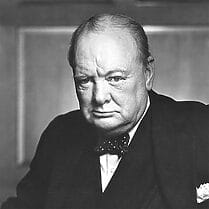


Member Discussion
What Members Are Saying
No comments yet. Be the first to share your thoughts.
Support Independent Journalism